
Vegetables
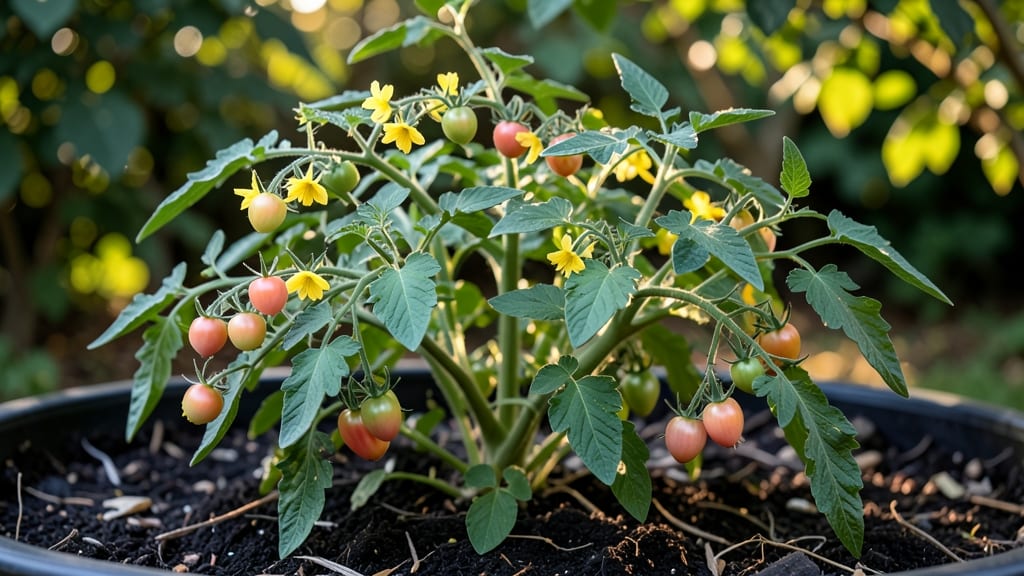
Growing sakura cherry tomatoes in containers means sunburst flavors and year-round harvests—even on a tiny balcony. 🌿 These heirloom beauties produce clusters of 1-inch ruby-red tomatoes that taste like summer, with a sweet-tart balance that keeps you reaching for more.
The secret isn’t just the variety; it’s the right balance of heat, water, and a little pruning magic to keep them producing until frost. The soil mix needs to drain fast but hold moisture—think 50% potting soil, 30% perlite, and 20% compost—because soggy roots mean fewer tomatoes.
You’ll also want a 5-gallon container (bigger is better for vining plants), and stakes or a trellis to keep those branches from flopping over. Sunlight is non-negotiable: 6-8 hours daily of direct light, whether from a south-facing window or a grow light in winter.
Once established, these plants reward you with weeks of steady harvests, and they’re surprisingly tough—disease-resistant enough to handle humidity without fuss. The first tomatoes arrive in 60-70 days, and if you prune regularly (pinch off suckers), you’ll keep the plant focused on fruit instead of foliage.
That first bite? Pure victory. Perfect for small spaces, urban gardens, or anyone tired of store-bought tomatoes that taste like water. Here’s how to turn your balcony into a cherry tomato factory—no green thumb required.
📚 In This Guide
- What you need
- Instructions
- Tips and common mistakes
- Wrapping up and next steps
What you need
- ● Sakura cherry tomato seeds or seedlings: 1–3 plants (choose disease-resistant varieties like 'Sakura Gold' or 'Sakura Red' for best results).
- ● Container: 1–2 large pots (minimum 12–18 inches in diameter) with drainage holes. Fabric grow bags or self-watering containers work too!
- ● High-quality potting mix: 3–5 gallons of well-draining, sterile mix (avoid garden soil—it compacts!). Add perlite or vermiculite (1 part per 4 parts soil) for aeration.
- ● Fertilizer: Balanced 10-10-10 or 5-5-5 granular fertilizer (1 tbsp per pot at planting).
- ● Liquid fish emulsion or seaweed extract (1 tsp per gallon of water) for foliar feeding every 2–3 weeks.
- ● Support system: 1–2 tomato cages (5–6 ft tall) or bamboo stakes (6+ ft) with soft ties (old T-shirts or plant clips).
- ● Watering can or hose with gentle spray nozzle: Cherry tomatoes hate soggy roots—water deeply but infrequently.
- ● Pruning shears or scissors: Sharp, clean tools to snip suckers and dead leaves.
- ● Mulch: Straw or shredded leaves to retain moisture and suppress weeds.
- ● Grow lights: LED or fluorescent bulbs (for indoor/early-season growing).
- ● Drip irrigation kit: Automates watering and saves time.
- ● Compost tea: Boosts soil microbes for healthier plants.
- ● Row covers or shade cloth: Protects from pests or harsh sun in hot climates.
Step-by-step instructions for growing Sakura cherry tomatoes in containers
Here’s my foolproof method for coaxing these delicate Japanese beauties to thrive in pots year-round.
🪴 Step 1: Choose the Right Container and Soil Mix
Sakura cherry tomatoes need 5-gallon containers minimum—their sprawling vines demand space. I use fabric grow bags because they prevent root circling and allow excess water to evaporate. Drill drainage holes if your pot lacks them, then line the bottom with 2 inches of coarse gravel to improve aeration.
Fill the container with a sterile potting mix blended with 20% perlite—this prevents compaction and mimics the well-draining soil of their Japanese origins. Avoid garden soil; it’s too dense and will suffocate roots. Pre-moisten the mix until it’s damp like a wrung-out sponge, but not dripping.
🌱 Step 2: Plant and Support for Optimal Growth
Dig a hole twice as wide as the root ball but no deeper—Sakura tomatoes hate being buried too far. Gently remove the plant from its nursery pot and tease the roots outward if they’re circling. Place a 5-foot tomato cage or bamboo stake in the center before setting the plant in, ensuring the main stem stays upright.
Fill the hole with soil, pressing lightly to eliminate air pockets. Water deeply until moisture reaches the bottom of the pot—you’ll see it drain from the holes. This initial soak helps roots establish quickly. Mulch the surface with 1 inch of straw to retain moisture and prevent soil-borne diseases.
☀️ Step 3: Position for Light and Temperature
Sakura tomatoes thrive in full sun (6-8 hours daily) but tolerate partial shade in hot climates. A south-facing window works indoors, but supplement with a grow light if natural light is weak—you’ll spot leggy growth if stems stretch toward the window. Keep temperatures between 65-80°F; below 55°F, flowers may drop.
Rotate the pot quarter-turn weekly so the plant grows evenly toward the light. You’ll notice new leaves forming on all sides, not just one direction. If your balcony gets afternoon sun, move the pot to a shaded spot during peak heat to prevent sunscald on delicate fruit.
💧 Step 4: Water and Fertilize for Continuous Harvest
Water when the top inch of soil feels dry—Sakura tomatoes hate soggy roots but wilt fast if parched. I use a drip irrigation system for containers to deliver moisture directly to the root zone without disturbing the plant. Avoid wetting leaves, which invites fungal diseases like early blight.
Feed every 2 weeks with a balanced liquid fertilizer (10-10-10) diluted to half-strength. When flowers appear, switch to a phosphorus-heavy formula (5-10-5) to boost fruiting. Prune suckers (the shoots between stems and leaves) regularly—they drain energy from fruit production. Harvest cherries when fully colored (about 1 inch in diameter) to encourage more blooms.
✂️ Step 5: Overwintering for Year-Round Growth
As temperatures drop below 50°F, move the pot to a sunny indoor spot near a south-facing window. Reduce watering—roots grow slower in cooler conditions, so let the top 2 inches of soil dry between waterings. Prune back one-third of the foliage to redirect energy to surviving branches.
Resume fertilizing in early spring with a high-nitrogen feed (20-5-5) to stimulate new growth. By late spring, you’ll see fresh shoots emerging from the base—pinch them back to encourage bushier growth. With this method, my Sakura tomatoes produce two harvests per year, even in Zone 5 winters.
Tips & tricks for perfect Sakura cherry tomato growth
These insider tricks will help you coax the most vibrant, productive Sakura cherry tomatoes from your containers—even when Mother Nature doesn't cooperate.
The Container Size Secret: While 5-gallon containers are the minimum, I've found that adding a 3-inch lip to your fabric grow bag prevents soil spillage during watering. This small upgrade saves you from constant cleanup while maintaining proper drainage. For urban balconies, consider stackable grow bags—they maximize vertical space without sacrificing root room.
Root Development Hack: After planting, give your Sakura tomatoes a 2-week root establishment boost by mixing in 1 tablespoon of mycorrhizal fungi with the potting mix. These beneficial soil organisms form symbiotic relationships with roots, dramatically improving nutrient uptake. You'll notice stronger stems and earlier flowering—sometimes within just 3-4 weeks instead of the usual 6.
Light Optimization Strategy: When supplementing with grow lights, position them 12-18 inches above the plant's canopy and use 14-hour photoperiods during winter months. Sakura tomatoes respond beautifully to this extended daylight, producing 20-30% more flowers than plants receiving natural light alone. I use LED grow lights on timers to automate this process—no need to remember to flip switches!
Seasonal Transition Wisdom: As temperatures drop below 50°F in Step 5, don't just move the plant indoors—reduce light exposure by 50% for the first week. This gradual adjustment prevents shock and allows the plant to acclimate. I've seen Sakura tomatoes that would have dropped all their flowers when moved abruptly to full indoor light, while properly acclimated plants continue producing through winter.
Pro Tips for Sakura Cherry Tomato
- These insider tricks will help you coax the most vibrant, productive Sakura cherry tomatoes from your containers—even when Mother Nature doesn't cooperate.
- The Container Size Secret: While 5-gallon containers are the minimum, I've found that adding a 3-inch lip to your fabric grow bag prevents soil spillage during watering.
- Root Development Hack: After planting, give your Sakura tomatoes a 2-week root establishment boost by mixing in 1 tablespoon of mycorrhizal fungi with the potting mix.
Frequently asked questions
Got questions about growing and enjoying sakura cherry tomatoes? Here are some of the most common ones—plus straightforward answers to help you succeed!
How long does it take for sakura cherry tomatoes to bear fruit?
With proper care, sakura cherry tomatoes typically start producing fruit 60–70 days after transplanting (or 80–90 days from seed). Container growers may see slightly slower results, so choose compact varieties and ensure full sun (6+ hours daily). Patience pays off—early blooms might drop, but consistent harvests follow!
Can I grow sakura cherry tomatoes in containers year-round?
Yes! These tomatoes thrive in containers, making them perfect for year-round growing in warm climates (zones 9–11) or as a seasonal crop elsewhere. Use 5-gallon pots with drainage, move indoors during frost (with grow lights if needed), and prune regularly to boost air circulation. Just watch for pests like spider mites in dry conditions.
What should I do if my sakura cherry tomato plants get frost damage?
Frost can kill plants overnight, but act fast to salvage them:
- Trim blackened leaves with sterilized scissors.
- Cover remaining plants with frost cloth or a blanket at night.
- Move containers to a sheltered, sunny spot during the day.
- Fertilize lightly with balanced 10-10-10 once new growth appears.
Are sakura cherry tomatoes sweeter than regular cherry tomatoes?
Sakura varieties often have a brighter, slightly sweeter flavor with a hint of floral notes—thanks to their Japanese breeding. Their smaller size (1–1.5 inches) and thin skin also make them burstingly juicy. For extra sweetness, let them fully ripen on the vine (red or yellow, depending on the variety) and harvest in the morning.
What’s the best alternative if I can’t grow sakura cherry tomatoes?
If space, light, or climate is an issue, try these low-maintenance alternatives:
Variety
Why It Works
Tiny Tim
Compact, prolific, and cold-tolerant—great for containers.
Sun Gold
Sweet, orange cherry tomatoes with high yields (needs full sun).
Micro Tom
Dwarf variety (6 inches tall!) with fast harvests (50 days).
For a similar flavor, opt for heirloom cherry tomatoes like ‘Black Cherry’ or ‘Golden Sweet.’
Wrapping up and next steps
Growing sakura cherry tomatoes is a rewarding journey that brings beauty, flavor, and productivity to your garden—even in containers! 🌸 Whether you’re a seasoned gardener or just starting out, these sweet, ornamental tomatoes are perfect for year-round cultivation with the right care.
Their vibrant blooms and delicious fruit make them a standout addition to any space.
Ready to harvest the magic? Start small with a container, experiment with pruning, and enjoy the process.
Before you know it, you’ll be savoring homegrown tomatoes straight from your balcony or patio! What’s your next step? Grab your gloves and get planting—your future self (and taste buds) will thank you!