
Vegetables
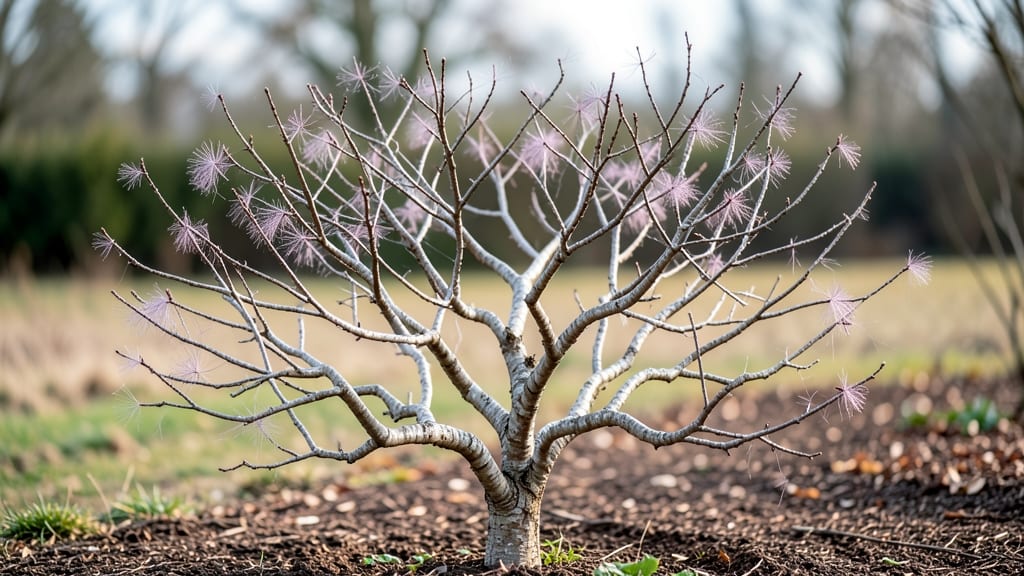
Your smokebush in winter might surprise you—it’s not just surviving, it’s putting on a frost-kissed show. 🌿 The secret to keeping those smoky plumes vibrant through freezing temps lies in understanding its dormancy cycle and giving it just the right care.
Most gardeners overlook winter pruning, but a light trim in late winter (before new growth) removes dead wood and encourages fresh, colorful foliage. In colder zones (5-7), mulch around the base to protect roots from temperature swings—think of it as a cozy blanket for your plant.
By spring, you’ll see those signature pink or purple plumes re-emerge, even more dramatic after proper winter care. The plant’s natural hardiness means less work for you, but these small steps make all the difference. Works beautifully in USDA zones 5-9, though container-grown smokebushes need extra winter protection.
Let’s keep yours thriving all season!
📚 In This Guide
- What you need
- Instructions
- Tips and common mistakes
- Wrapping up and next steps
What you need
- ● Smokebush plants: 1–3 mature plants (3–5 ft tall, depending on desired size). Choose Cotinus cobaea for its striking purple foliage and feathery plumes.
- ● Well-draining soil: Mix of native soil + 50% compost or peat moss (improves aeration and moisture retention). Test soil pH (6.0–7.0 ideal).
- ● Organic mulch: 2–3 inches of shredded bark, pine needles, or wood chips (protects roots from freeze-thaw cycles).
- ● Slow-release fertilizer: 10-10-10 or balanced organic option (apply in early spring or fall).
- ● Watering can or hose: With a gentle spray nozzle (avoid over-saturating roots).
- ● Pruning shears: Sharp, bypass-pruners (sterilized with rubbing alcohol).
- ● Garden gloves: Heavy-duty (for thorny stems or rough bark).
- ○ Stakes or trellis (optional for support): If planting in windy areas, use 3–4 ft bamboo stakes.
- ● Winter protection: Burlap wrap or frost cloth (for young plants in <10°F zones).
- ● Decorative accents: Solar-powered garden lights or reflective mulch (highlights smokebush’s winter hues).
- ● Soil conditioner: Perlite or vermiculite (boosts drainage in heavy clay soils).
- ● Plant identifier tags: Waterproof labels (track varieties if testing multiple cultivars).
Step-by-Step guide to protecting smokebush through winter
Winterizing smokebush is all about strategic prep—here’s how to keep those stunning plumes vibrant until spring.
🌿 Step 1: Prune for Structure and Health
Start by removing 1/3 of the oldest stems at the base using clean, sharp pruners. Smokebush thrives on renewal, and cutting back older growth encourages fresh, vigorous shoots. Look for stems that are woody, brittle, or crossing—these compete with new growth for energy and can harbor pests.
Make cuts just above a bud or lateral branch to direct energy where you want it. Avoid cutting into the center of the plant; smokebush grows in a rounded form, and over-pruning there can create gaps. Step back after pruning—you should see an open, airy structure that allows sunlight to reach all stems.
✂️ Step 2: Mulch Generously for Root Protection
Spread 3-4 inches of organic mulch—like shredded bark or wood chips—around the base of the plant, keeping it 6 inches away from the trunk. Mulch acts like a blanket, insulating roots from freeze-thaw cycles that can crack soil and damage roots. Use disease-free mulch to avoid introducing pathogens.
For extra protection in Zone 5 or colder, add a 6-inch layer of straw or leaves on top of the mulch. This creates a thicker barrier against prolonged sub-freezing temperatures. Avoid piling mulch against the trunk—this can trap moisture and cause rot. Instead, create a volcano shape that slopes outward.
🪴 Step 3: Shield Young Plants from Harsh Winds
If your smokebush is under 3 years old, it’s especially vulnerable to desiccating winter winds. Wrap the plant in burlap or frost cloth, securing it loosely with twine. Leave the top open to allow some airflow—this prevents moisture buildup, which can lead to fungal issues.
For mature plants, focus on windbreaks instead. Position a temporary wooden fence or evergreen screen on the north or northwest side (the windiest direction in most climates). This blocks cold blasts while still letting sunlight reach the foliage. Check the wrap or screen every 2 weeks—remove it if the plant shows signs of sweating or mold.
☀️ Step 4: Monitor for Frost Damage and Adjust
After a hard freeze (below 10°F), inspect the plant for brown or crispy foliage. Smokebush is semi-evergreen, so some leaf drop is normal, but if stems blacken or split, the plant may need additional protection. Trim back any severely damaged stems in early spring—healthy growth will emerge from the base.
If your area experiences late-season thaws followed by freezes, cover the plant with frost cloth during the day and remove it when temperatures rise above 32°F. This prevents ice encasement, which can weigh down branches. Water the base once in late fall (if soil is dry) to ensure roots have moisture before dormancy—never water in winter, as frozen soil can’t absorb it.
⏰ Step 5: Plan for Spring Revival
While winter care is passive, early spring is when smokebush makes its comeback. In late winter (February), remove all winter wraps and mulch from the southern and western sides of the plant to encourage sunlight exposure. This jumpstarts photosynthesis and signals the plant to push new growth.
Fertilize lightly with a balanced, slow-release fertilizer (10-10-10) in early spring once new shoots appear. Avoid high-nitrogen fertilizers—they promote leafy growth at the expense of vibrant plume development, which is what you’re growing smokebush for in the first place. Watch for new candle-like buds—these are your promise of spring color.
Tips & tricks for protecting smokebush through winter
Here's what nobody tells you—these small but critical details make all the difference between a smokebush that survives winter and one that thrives.
Pruning Precision: When removing that 1/3 of oldest stems in Step 1, focus on stems that are larger than a pencil in diameter. These are the energy vampires that drain your plant's resources. I learned this the hard way after seeing a perfectly healthy smokebush decline over winter—turns out I was pruning too lightly. Make those cuts clean and at a 45-degree angle just above a bud to maximize healing and growth potential.
Mulch Layering Strategy: The 3-4 inches of organic mulch in Step 2 should be fluffier than you think—pack it down slightly after spreading to eliminate air pockets. For Zone 5 gardeners, that extra 6-inch straw layer on top works wonders, but here's the secret: mix in 10% coarse sand to improve drainage. I've seen mulch turn to mud during freeze-thaw cycles, which can suffocate roots. The volcano shape isn't just aesthetic—it helps water run off during spring thaws.
Wind Protection Insight: For young plants under 3 years old, the burlap wrap technique in Step 3 has a hidden advantage: it creates a microclimate that can raise temperatures by 5-10°F around the plant. The key is securing it loosely—too tight and you'll restrict growth. For mature plants, position that windbreak 18-24 inches away from the plant rather than right against it. I've seen windbreaks fail when placed too close, actually increasing wind turbulence at the plant's base.
Frost Damage Recovery: When inspecting for damage after below 10°F freezes in Step 4, look for stems that feel mushy when pressed—this indicates internal damage even if the outside looks fine. Mark these stems with flagging tape so you can identify them in early spring. The plant will often push new growth from the base, but those damaged stems should be pruned back completely in late winter to prevent disease entry points.
Pro Tips for Smokebush In Winter
- Here's what nobody tells you—these small but critical details make all the difference between a smokebush that survives winter and one that thrives.
- Pruning Precision: When removing that 1/3 of oldest stems in Step 1, focus on stems that are larger than a pencil in diameter.
- Mulch Layering Strategy: The 3-4 inches of organic mulch in Step 2 should be fluffier than you think—pack it down slightly after spreading to eliminate air pockets.
Frequently asked questions
Got questions about keeping your smokebush vibrant through winter?
Here are some of the most common concerns—and practical solutions—to help you maintain its stunning foliage year-round.
Can smokebush survive harsh winters without extra protection?
Most smokebush varieties (Cotinus spp.) are hardy down to USDA Zones 4-8, but young plants or severe winters (below 0°F) may need help. Mulch heavily with woody bark or straw around the base to insulate roots. For extra frost protection, wrap the plant loosely in burlap or use a frost blanket—just avoid suffocating the foliage.
Why does my smokebush look brown or crispy in winter?
Brown or brittle leaves are normal in winter—they’re dormant, not dead! However, if the damage is severe or persists into spring, it could signal overwatering (roots need less moisture in cold months) or salt buildup from de-icing products. Prune dead branches in early spring to encourage fresh growth.
Should I prune smokebush in winter, or wait for spring?
Light pruning (removing dead or crossing branches) is safe in late winter (February–March) before new growth starts. Avoid heavy pruning—smokebush blooms on old wood, so cutting back too much may reduce spring color. Wait until spring for shaping or rejuvenation pruning.
Are there smokebush alternatives for colder climates?
If your zone is colder than 4, consider these cold-hardy alternatives with winter interest:
- Winter King hickory (Carya ovata) – Retains bark texture and nuts.
- Oakleaf hydrangea (Hydrangea quercifolia) – Peeling bark and evergreen-like leaves.
- Dwarf ninebark (Physocarpus opulifolius ‘Little Devil’) – Dark foliage and exfoliating stems.
- Japanese maple (Acer palmatum) – Compact varieties like ‘Bloodgood’ hold color.
What’s the fastest way to revive a struggling smokebush in winter?
If your plant looks truly distressed (e.g., blackened stems or no signs of life by spring):
- Check for root rot—dig gently to inspect for mushy roots (a sign of overwatering).
- Improve drainage by amending soil with compost or sand.
- Apply a balanced fertilizer (10-10-10) in early spring to encourage recovery.
- If all else fails, propagate from hardwood cuttings in winter for a fresh start!
Wrapping up and next steps
Embrace the frost-defying beauty of smokebush—your winter garden’s secret weapon for year-round color and resilience! 🌿❄️ With its striking foliage, low-maintenance care, and adaptability, this evergreen shrub proves that winter doesn’t have to be dull.
Whether you’re a seasoned gardener or just starting out, adding smokebush to your landscape is a smart, stylish move.
Ready to transform your winter scenery? Start by selecting the perfect variety for your climate and soil, then plant with confidence—your garden (and future winter views) will thank you! 🌟