
Vegetables
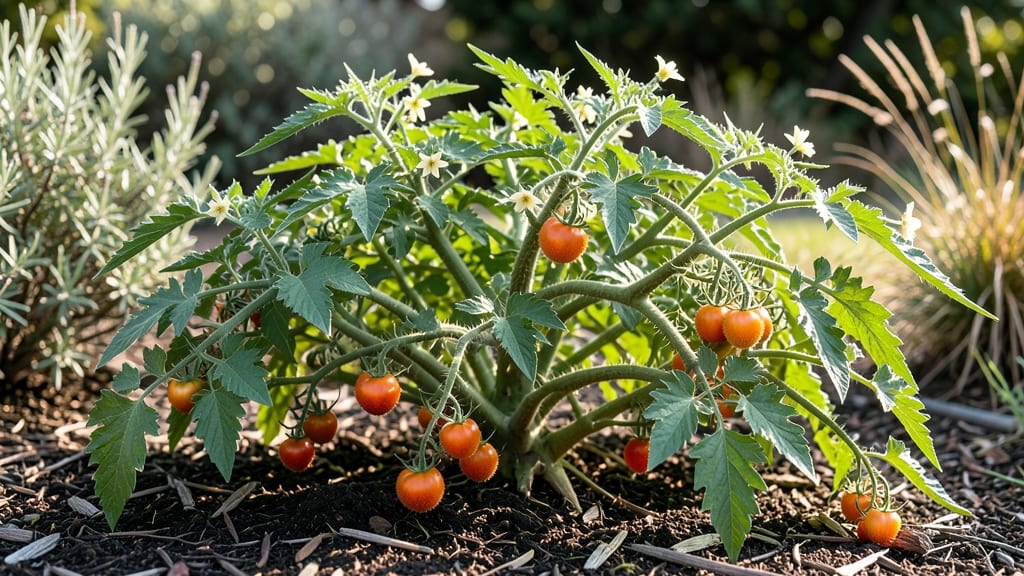
Growing Solanum pyracanthum—the porcupine tomato—is like cultivating a living sculpture in your garden. 🌿 These cold-hardy perennials produce striking striped fruits that look more like art than food, but they’re edible too (though tart and best cooked).
Unlike annual tomatoes, these thrive year after year, even in cooler climates, making them a standout for both ornamental and practical gardeners.
The secret to success starts with well-draining soil and full sun—at least 6 hours daily. Plant in spring after the last frost, spacing them 3-4 feet apart to accommodate their sprawling vines.
Unlike delicate tomatoes, porcupine tomatoes handle neglect better, but consistent moisture (about 1 inch per week) keeps the foliage lush and the fruits plump. Mulch helps retain moisture and protect roots from winter’s chill.
By mid-summer, you’ll see those signature spiky fruits forming—each one a conversation starter. The striped pattern deepens as they ripen, and the plant’s silvery foliage adds texture to borders or containers.
Prune lightly in early spring to encourage bushier growth, but avoid heavy cuts; these plants reward patience with decades of harvests.
Whether you’re growing them for their striking appearance or the novelty of cold-resistant tomatoes, porcupine tomatoes bring drama to any garden. They’re perfect for cottage-style beds, trellises, or even as container plants in cooler zones. The best part? Once established, they’re nearly maintenance-free—just sit back and enjoy the show.
📚 In This Guide
- What you need
- Instructions
- Tips and common mistakes
- Wrapping up and next steps
What you need
- ● Seeds or nursery plants: Solanum pyracanthum (Porcupine Tomato) seeds (10–20 seeds) or 3–5 healthy young plants.
- ● Containers or garden bed: For containers: 5–7 gallon pots with drainage holes (1 per plant).
- ● For in-ground planting: Well-draining soil in a sunny spot (6+ hours of sunlight daily).
- ● Potting mix: High-quality, well-draining mix (e.g., 60% peat/coir, 30% perlite, 10% compost).
- ● Fertilizer: Balanced fertilizer: 10-10-10 or 5-5-5 (1 tbsp per plant at planting).
- ● Organic option: Composted manure or worm castings (1 cup per plant).
- ● Watering can or hose: With a gentle spray nozzle for even moisture.
- ● Pruning shears: Sharp, sterilized shears for trimming.
- ○ Support structure (optional but helpful): Trellis, stakes, or cages (3–4 ft tall) to encourage upward growth.
- ● Twine or soft plant ties for securing vines.
- ● Hardiness: Thrives in USDA Zones 3–10 (cold-hardy to -20°F!).
- ● Soil pH: Slightly acidic to neutral (6.0–7.0). Test or amend with lime/sulfur if needed.
- ● Sunlight: Full sun (6+ hours/day) for best fruit production.
- ● Patience: Plants may take 1–2 years to mature and produce fruit.
- ● 🌱 Start indoors: Sow seeds 8–10 weeks before last frost for a head start.
- ● 💧 Water wisely: Keep soil consistently moist but avoid soggy roots.
- ● ✂️ Prune strategically: Trim leggy growth to encourage bushier, fruit-bearing plants.
Step-by-Step instructions for cultivating Solanum pyracanthum porcupine tomatoes
Ready to grow these striking, cold-hardy perennials? Here’s how to coax their bold foliage and edible fruits into your garden.
🌱 Step 1: Select and Prepare the Planting Site
Solanum pyracanthum thrives in full sun to partial shade, tolerating USDA Hardiness Zones 9-11—though it may die back in colder winters only to regrow from the roots. Choose a spot with well-draining soil (amend heavy clay with compost or sand) and 6-8 hours of sunlight daily for optimal growth. These plants love warmth but hate soggy roots, so avoid low-lying areas where water pools.
Loosen the soil to a depth of 12 inches with a garden fork, breaking up compacted layers. Work in 2-3 inches of organic matter (like compost or aged manure) to enrich the soil. The goal is airy, fertile ground that encourages deep root development—critical for their perennial resilience. If your soil is sandy, add a bit of peat moss to retain moisture without suffocating roots.
☀️ Step 2: Plant at the Right Time and Depth
Plant Solanum pyracanthum in early spring, after the last frost date in your area, or in fall for regions with mild winters. Dig a hole twice as wide as the root ball but only as deep as the container’s base—planting too deep can smother the stem. Gently remove the plant from its container, tease apart any circling roots, and place it in the hole so the top of the root ball sits level with the surrounding soil. Press the soil firmly around the roots to eliminate air pockets.
Space plants 3-4 feet apart to allow for their sprawling, bushy habit. If growing in containers, use at least 15-gallon pots with drainage holes—these plants can get top-heavy with fruit. Water deeply immediately after planting to settle the soil and encourage root contact. You’ll know it’s right when the soil surface looks slightly compacted but not muddy.
💧 Step 3: Water and Fertilize for Strong Growth
Keep the soil consistently moist but not waterlogged for the first 4-6 weeks after planting. Water at the base of the plant in the morning to reduce fungal risks, and aim for 1 inch of water per week (more in extreme heat). Solanum pyracanthum is drought-tolerant once established, but young plants need steady moisture to develop strong roots. You’ll see healthy growth when leaves remain deep green and slightly wrinkled (a sign of proper hydration).
Feed with a balanced, slow-release fertilizer (10-10-10) at half-strength when new growth appears in spring. Avoid high-nitrogen fertilizers, which promote leafy growth at the expense of fruit production. Instead, focus on phosphorus and potassium to encourage flowering and fruiting. Apply fertilizer every 6-8 weeks during the growing season, always watering before and after to prevent root burn.
✂️ Step 4: Prune and Support for Abundant Fruit
Light pruning encourages bushier growth and better air circulation. Pinch back new growth tips in early summer to promote branching, and remove any yellowed or diseased leaves immediately. Solanum pyracanthum can get leggy, so trim back overgrown stems in late summer to redirect energy into fruit production. You’ll notice thicker, more compact plants with fewer bare stems after pruning.
Provide sturdy support for the plants as they grow, especially if heavy with fruit. Use bamboo stakes or cages to keep stems upright and prevent sprawling. Tie stems loosely with soft plant ties, checking every few weeks to avoid restricting growth. If growing in containers, consider weighting the pots with rocks or sand to prevent tipping in windy conditions.
🍅 Step 5: Harvest and Overwinter for Next Year
Harvest porcupine tomatoes when they’re fully colored and slightly soft to the touch—typically in late summer to fall. These small, spiky fruits are edible (though tart and best used in sauces or preserves) and add visual drama to your garden. Pick regularly to encourage more production, and wear gloves when handling—those spines pack a punch! You’ll know they’re ripe when the skin develops its signature striped pattern and the fruit yields slightly when gently squeezed.
In colder climates, mulch heavily around the base of the plant with straw or leaves to protect roots from freezing. Solanum pyracanthum often dies back in winter but regrows from the crown in spring. In Zone 9 and warmer, it may continue growing year-round with minimal care. Cut back dead or damaged stems in early spring before new growth emerges, and fertilize lightly to kickstart the season.
Tips & tricks for cultivating Solanum pyracanthum porcupine tomatoes
Here’s what nobody tells you about growing these striking perennials—game-changers that’ll make all the difference in your garden.
Sunlight Strategy: While Solanum pyracanthum thrives in full sun to partial shade, the 6-8 hours of direct sunlight mentioned in Step 1 is non-negotiable for fruit production. If your garden gets intense afternoon sun, consider a light shade cloth (30-50%) during peak hours to prevent leaf scorch, especially in hotter climates. I’ve seen plants in full sun produce fewer fruits but more vibrant foliage—balance is key! The striped patterns on the fruit actually intensify with more sunlight, so don’t shy away from bright locations.
Soil Science: The instructions emphasize well-draining soil and 2-3 inches of organic matter, but here’s the secret: mix in a handful of perlite or coarse sand when amending heavy soils. This creates tiny air pockets that prevent compaction, which is critical for these plants’ deep root systems. I learned this the hard way after watching roots suffocate in clay—now my plants thrive even in less-than-ideal native soil. For containers, use a blend of 50% potting mix, 30% perlite, and 20% compost to mimic ideal conditions.
Pruning Precision: When pinching back new growth tips in early summer (Step 4), focus on the top 2-3 sets of leaves to encourage branching. This technique creates a bushier plant with more fruiting sites. I also recommend using sterilized pruning shears to prevent disease transmission between cuts. For late-summer trimming, cut back stems to just above a leaf node—this redirects energy to fruit production rather than vertical growth. You’ll notice a dramatic difference in plant density and fruit yield after just one season of proper pruning.
Harvesting Hack: Those spiky fruits are easier to handle than they look! I’ve found that harvesting with kitchen tongs (the kind with long handles) lets you pluck them without risking punctures. For containers, consider wearing gardening gloves with reinforced palms—they’re worth the investment. The fruits are best used in sauces or preserves, so don’t let their intimidating appearance deter you. Their tart flavor pairs beautifully with sweet peppers or tomatoes in summer dishes.
Pro Tips for Solanum Pyracanthum Porcupine Tomato
- Here’s what nobody tells you about growing these striking perennials—game-changers that’ll make all the difference in your garden.
- Sunlight Strategy: While Solanum pyracanthum thrives in full sun to partial shade, the 6-8 hours of direct sunlight mentioned in Step 1 is non-negotiable for fruit production.
- Soil Science: The instructions emphasize well-draining soil and 2-3 inches of organic matter, but here’s the secret: mix in a handful of perlite or coarse sand when amending heavy soils.
Frequently asked questions
Got questions about growing Solanum pyracanthum (porcupine tomatoes)?
You’re not alone—this striking, cold-hardy plant has quirks! Here are answers to the most common queries to help you grow with confidence.
Is Solanum pyracanthum really a tomato? Can I eat it?
Yes, it’s a Solanum species like tomatoes, but its spiky, striped fruit is inedible raw due to toxic solanine levels. Cooking (like roasting) can reduce toxins, but it’s still not recommended for consumption. Grow it for its ornamental value—its bold foliage and unique fruit make stunning cut flowers or garden accents!
How cold-hardy is Solanum pyracanthum compared to regular tomatoes?
This plant is a winter warrior! While regular tomatoes die in frost (under 32°F/0°C), Solanum pyracanthum tolerates temps down to 15°F (-9°C)—even with light frost. It thrives in USDA Zones 5-10, making it ideal for northern gardens. Just mulch heavily in winter for extra protection.
Why are my porcupine tomato leaves turning yellow or dropping?
Yellow leaves often signal overwatering (this plant hates soggy roots) or nutrient deficiencies. Check soil moisture—it should dry slightly between waterings. Amend soil with compost or a balanced fertilizer (10-10-10) if growth stalls. Pests like aphids can also stress plants; blast them off with water or use neem oil.
Will Solanum pyracanthum cross-pollinate with my edible tomatoes?
No need to worry! While it’s in the same family, Solanum pyracanthum does not cross-pollinate with Solanum lycopersicum (edible tomatoes). You can grow them side by side without risking hybrid seeds. Its flowers are also less attractive to pollinators than tomato blooms, so it won’t compete for attention.
Can I grow Solanum pyracanthum in containers? What’s the best pot size?
This plant adapts well to containers with at least 12-inch-deep pots (deeper = better for root spread). Use a fast-draining mix (add perlite or sand) and a pot with drainage holes. In containers, it may need winter protection (move to a garage or insulate with burlap). Dwarf varieties (like ‘Black Magic’) thrive in smaller pots.
Pro Tip: Prune wisely!
Unlike edible tomatoes, Solanum pyracanthum doesn’t need heavy pruning—it’s more about shape and airflow. Trim leggy stems in spring to encourage bushiness, and remove spent flowers to redirect energy to foliage. Never prune after frost—it needs all its leaves to survive winter!
Wrapping up and next steps
Growing Solanum pyracanthum—the stunning porcupine tomato—is a rewarding adventure for gardeners seeking cold-hardy, visually striking perennials with a unique twist. Its bold striped foliage and edible (though tart) fruits add both beauty and flavor to your harvest, proving that bold choices in the garden can yield delicious surprises! 🌱✨
Ready to dive in? Start by gathering your supplies, choosing the right spot, and planting with confidence. Your next step: sketch a simple garden plan to map out where this eye-catching perennial will shine—then watch your cold-resistant harvests thrive year after year!