
Vegetables
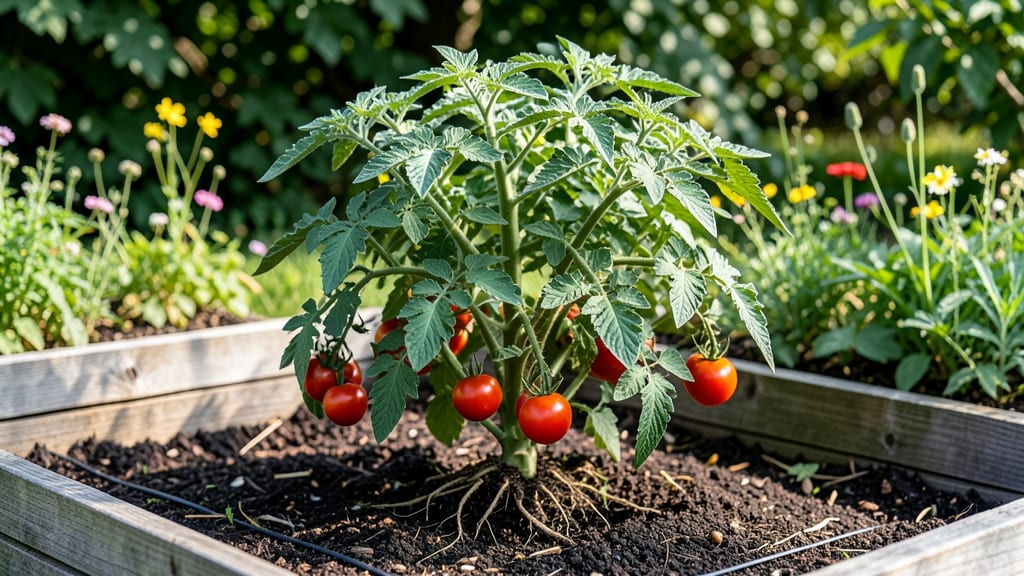
Growing Sweet 100 tomatoes in containers is like growing a mini sunburst of flavor—those bold, striped cherry tomatoes explode with sweetness and stay productive until frost. 🌱 I’ve grown them for years, and they’re the only variety I’ll ever grow in pots—they’re prolific, compact, and taste like sunshine.
The secret to their success? Rich, well-draining soil, 5-gallon containers (or larger), and full sun (6+ hours daily). They’re determinate, meaning they’ll produce clusters of 20-30 tomatoes per plant all season long, but they need consistent watering to prevent cracking. Prune suckers weekly to keep them bushy and supported.
By midsummer, you’ll be harvesting pint-sized jewels that burst with flavor—far sweeter than store-bought. The plants stay 3-4 feet tall, making them perfect for balconies, patios, or small spaces. Just watch for early blight and hornworms, and you’ll have a foolproof harvest until the first frost.
Works in zones 3-10, and the striped pattern makes them a showstopper in salads or snack trays. Let’s get those seeds or transplants in the ground!
📚 In This Guide
- What you need
- Instructions
- Tips and common mistakes
- Wrapping up and next steps
What you need
- ● Sweet 100 tomato seeds or seedlings: 1–3 plants (depending on container size). Look for Lycopersicon esculentum "Sweet 100" or heirloom varieties.
- ● Containers: 5-gallon pots or larger (at least 12–18 inches deep) with drainage holes. Pro tip: Use fabric grow bags or self-watering pots for extra flexibility! 💡
- ● Potting mix: 10–15 gallons of high-quality, well-draining tomato-specific mix (avoid garden soil—it compacts!).
- ● Fertilizer: Balanced 10-10-10 or 5-10-10 granular fertilizer (1–2 cups per plant).
- ● Organic options: Composted manure or worm castings (1 cup per plant).
- ● Support system: 1–2 cages (4–6 ft tall) or bamboo stakes per plant (Sweet 100s grow 4–5 ft tall!).
- ● Watering can or hose with gentle spray nozzle: 1–2 gallons per watering (adjust based on heat).
- ○ Gloves & knee pads: For comfy planting (optional but highly recommended!).
- ● Pruning shears: For trimming suckers and shaping plants.
- ● Mulch (straw or shredded leaves): 2–3 inches to retain moisture and suppress weeds.
- ● Liquid fertilizer (e.g., fish emulsion): For a mid-season nutrient boost.
- ● Row covers or shade cloth: If your climate gets too hot (>90°F).
- ● pH test kit: To check soil pH (ideal: 6.0–6.8).
Step-by-step guide to growing Sweet 100 tomatoes in containers
Here's my foolproof method for cultivating those vibrant, striped heirlooms right on your patio.
🌱 Step 1: Select the Perfect Container and Soil Mix
Choose a container at least 18-24 inches deep with drainage holes—Sweet 100 tomatoes need room for strong roots. I prefer fabric grow bags because they allow air circulation while preventing soil compaction. Fill with a sterile potting mix blended with 20% perlite or vermiculite for improved drainage and aeration.
Moisten the mix until it feels like a damp sponge—you should see moisture bead up but not drip out. Avoid garden soil; it's too dense and can harbor diseases that will stunt your plants. If your mix lacks nutrients, add a slow-release fertilizer (5-10-10 ratio) at planting time to fuel early growth.
☀️ Step 2: Plant Transplants at the Right Time and Depth
Start with 4-6 week-old transplants from a reputable nursery to ensure vigor. Plant one seedling per container—crowding leads to weak stems and poor fruit production. Dig a hole twice as wide as the root ball but no deeper than the pot's original soil line.
Gently remove the seedling from its nursery pot and loosen the roots if they're circling. Place it in the hole so the top of the root ball sits just below the container rim. This prevents stem rot while allowing room for mulch. Water deeply until moisture runs from the drainage holes—this settles the soil and eliminates air pockets.
💧 Step 3: Provide Consistent Water and Support
Sweet 100 tomatoes thrive with 1-2 inches of water per week, delivered consistently. I use a drip irrigation system or watering can with a spout to direct moisture at the base—never overhead. Wet leaves attract fungal diseases, and these striped beauties are particularly susceptible to early blight.
Install a sturdy tomato cage (5-6 feet tall) or trellis immediately after planting. These indeterminate varieties grow 6-8 feet tall, and without support, stems snap under fruit weight. Secure the cage to the container with soft ties (like old T-shirts) to avoid damaging the stem as it grows.
✂️ Step 4: Prune and Train for Maximum Fruit Production
Begin pruning when plants reach 18 inches tall. Remove suckers (the small shoots forming in the leaf axils) to direct energy to fruit production. I pinch these off with my fingers—no need for shears. Leave 2-3 main stems if your container allows; more stems compete for nutrients and reduce yield.
Prune lower leaves (those below the first flower cluster) as they mature. This improves airflow and reduces disease risk. When the plant reaches the top of your cage, pinch off the terminal bud to encourage bushier growth. You'll see larger, more flavorful fruit with this method—these striped tomatoes develop their signature patterns best when grown vigorously.
🌿 Step 5: Harvest and Extend the Season
Pick fruit when it reaches full color and slight softness—usually 70-80 days after transplanting. The stripes should be crisp and the skin firm but yielding. Use pruning shears to cut stems, leaving a small portion attached to prevent disease entry points.
To prolong production, remove spent flowers and side-shoot prune until frost. In warm climates, you'll get continuous harvests all season. If your growing zone cools below 50°F, bring containers indoors to a sunny window or under grow lights—Sweet 100s keep producing as long as they get 6+ hours of light daily.
Tips & tricks for perfect container-grown Sweet 100 tomatoes
These pro tips will help you coax the most vibrant, productive plants from your striped beauties—even in limited space.
Container Size Matters: While the instructions call for 18-24 inches deep, I've found that wider containers (18-inch diameter) actually yield more fruit. The extra root zone lets these vigorous plants develop stronger stems that support heavier harvests. If you're limited to smaller pots, opt for the deepest option available—root depth is more critical than width for indeterminate varieties like Sweet 100s.
Soil Prep Secret: Before planting, I always mix in a handful of worm castings (optional but game-changing) into that sterile potting mix. The castings add beneficial microbes that improve nutrient uptake, and the 20% perlite requirement should be increased to 25% if your climate gets particularly humid. This extra aeration prevents the dreaded "container rot" that can plague compacted soils.
Watering Wisdom: That 1-2 inch weekly guideline assumes average conditions. In containers, evaporation happens faster—especially in sunny climates or windy spots. I check soil moisture by sticking my finger 2 inches deep; if it's dry, water until it runs from the drainage holes. Morning watering prevents fungal issues, and mulching with straw helps retain moisture while keeping leaves dry.
Support System: The 5-6 foot cages sound sturdy, but I've learned the hard way that adding a second cage or trellis (optional) mid-season prevents stem breakage as fruit loads increase. Tie the main stem to the cage at every 12 inches of growth—this vertical training creates better airflow and makes harvesting easier. For balconies, consider wall-mounted cages to save floor space.
Pro Tips for Sweet 100 Tomatoes
- These pro tips will help you coax the most vibrant, productive plants from your striped beauties—even in limited space.
- Container Size Matters: While the instructions call for 18-24 inches deep, I've found that wider containers (18-inch diameter) actually yield more fruit.
- Soil Prep Secret: Before planting, I always mix in a handful of worm castings (optional but game-changing) into that sterile potting mix.
Frequently asked questions
When is the best time to plant Sweet 100 tomatoes?
Plant Sweet 100 tomatoes after the last frost when soil temperatures reach at least 60°F (15°C). For container growing, start seeds indoors 6-8 weeks before transplanting or buy young plants from a nursery. These tomatoes thrive in warm weather, so avoid planting too early—cold soil can stunt growth.
Can Sweet 100 tomatoes grow in containers?
These compact plants are perfect for containers, especially since they’re indeterminate but manageable in 5-gallon pots or larger. Use a well-draining potting mix, provide sturdy stakes or cages, and ensure the container gets 6-8 hours of sunlight daily. Just keep an eye on watering—containers dry out faster!
Why aren’t my Sweet 100 tomatoes ripening?
If your tomatoes stay green or turn pale, it’s often due to insufficient sunlight, temperature swings, or overwatering. Ensure they get full sun (6+ hours/day) and keep soil consistently moist (not soggy). If nights dip below 55°F (13°C), use a row cover or greenhouse to protect them. Sweet 100s need warmth to sweeten up!
What can I do if my Sweet 100 plants get diseased?
Common issues like blight or powdery mildew can strike, but prevention helps! Space plants 18-24 inches apart for airflow, avoid overhead watering, and remove diseased leaves immediately. For fungal issues, apply neem oil or copper spray. If pests like aphids appear, blast them off with water or use insecticidal soap.
How do I store or preserve Sweet 100 tomatoes?
These tomatoes are best eaten fresh, but you can refrigerate them for up to 2 weeks (though flavor may dull). For longer storage, can them as sauce, salsa, or whole tomatoes, or freeze them (peeled and chopped). Avoid storing them at room temperature for more than a few days—they’re delicate but delicious when used quickly!
Still curious? Drop your Sweet 100 questions in the comments—we’re happy to help!
Wrapping up and next steps
Sweet 100 tomatoes are a gardener’s dream—bursting with flavor, perfect for containers, and packed with versatility. Whether you’re growing them in pots or baskets, their bold stripes and sweet-tart taste make them a standout in salads, sauces, or fresh snacks.
With the right care, you’ll enjoy a bountiful harvest that’s as rewarding as it is delicious!
Ready to grow your own? Start by picking your favorite variety, gathering your supplies, and planting those seeds! Your garden—and your taste buds—will thank you. 🌱🍅