
Vegetables
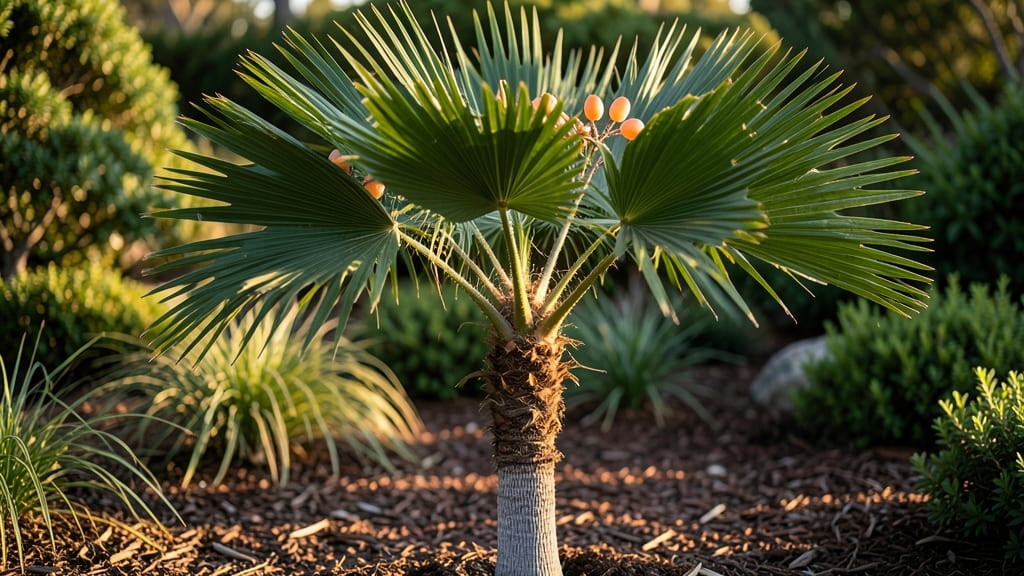
Growing a South American jelly palm (Butia capitata) feels like cultivating a tiny tropical treasure—one that rewards you with edible fruit in just six months. 🌱 I’ve watched these palms transform from delicate nursery plants into sturdy, productive specimens, even in my Zone 8 garden where summers get scorching.
The key? Mimicking their natural coastal habitat with bright light, well-draining soil, and surprisingly little fuss once established.
You’ll need a sunny spot (6+ hours of direct light daily) and soil that drains like a sandy beach—think 60% potting mix, 30% coarse sand, and 10% perlite. Containers work great for small spaces (use at least a 15-gallon pot), while in-ground plantings thrive in USDA Zones 9-11.
Start with a young palm (1-2 feet tall) from a nursery, and plant it no deeper than its root ball—burying too much can rot the trunk.
Watering is where most beginners stumble: jelly palms hate soggy feet but need consistent moisture during their first year. After that, they’re drought-tolerant—just keep the soil lightly moist in summer.
Feed lightly with a balanced palm fertilizer (8-8-8) every 3 months, and prune only to remove dead fronds or spent flower stalks. The real magic happens when those first edible, jelly-like fruits appear by mid-summer.
These palms double as striking landscape accents—their arching fronds and golden-yellow flowers add drama to patios or Mediterranean-style gardens. Just watch for scale insects (wipe with neem oil) and fungal spots (space plants for airflow).
With minimal care, you’ll harvest sweet, gel-filled fruits that taste like a tropical vacation. Ready to grow yours?
📚 In This Guide
- What you need
- Instructions
- Tips and common mistakes
- Wrapping up and next steps
What you need
- ● Butia capitata seeds or saplings: 1–3 (start with 1 for beginners, 3 for faster yields).
- ● Well-draining potting mix: 5–10 gallons (use a blend of cactus/succulent soil + perlite or coarse sand for aeration).
- ● Pot or container: 1–2 (12"–18" diameter for seeds, 20"+ for mature plants). Ensure drainage holes are present!
- ● Sunlight access: Full sun (6+ hours daily) or a grow light for indoor setups.
- ● Watering can or hose with gentle nozzle: 1 (avoid soggy soil—jelly palms hate wet feet!).
- ○ Fertilizer (optional but helpful): Balanced liquid fertilizer (10-10-10 or 20-20-20), or
- ● Slow-release palm fertilizer (follow package rates).
- ● Humidity tray or pebble tray: 1 (keeps air moist for seedlings).
- ● Mulch (gravel or bark): 1–2 cups (retains moisture and mimics natural habitat).
- ● pH testing kit: 1 (ideal soil pH: 6.0–7.0).
- ● Pruning shears: 1 (for shaping or removing dead fronds).
- ● Support stake: 1 (if growing tall varieties outdoors).
How to grow a thriving South American jelly palm
This hardy palm delivers lush foliage with minimal fuss—here's how to coax it into full growth.
🪴 Step 1: Select the Right Container and Soil Mix
Choose a 12-15 inch diameter pot with drainage holes—jelly palms resent soggy roots. I use a blend of 60% peat-based potting mix and 40% perlite for excellent aeration. The roots need room to spread, so avoid small containers that restrict growth. Tap the pot gently after filling to eliminate air pockets while keeping the mix loose.
For the first year, I always add a slow-release fertilizer (10-10-10) mixed into the bottom 2 inches of soil. This provides steady nutrition without risking root burn from concentrated doses. The mix should feel slightly damp when squeezed—like a wrung-out sponge—but not dripping.
☀️ Step 2: Position for Ideal Light and Temperature
Place your jelly palm in bright, indirect light—think east or west-facing windows. Direct midday sun can scorch the fronds, while too little light causes weak, pale growth. You'll notice healthy plants develop deep green, glossy fronds with compact spacing between leaves.
Keep temperatures between 65-80°F during the day and never below 55°F at night. These palms originate from tropical regions, so drafty windows or cold drafts will stunt their growth. If your home runs cooler, supplement with a heat mat during winter months.
💧 Step 3: Establish a Consistent Watering Routine
Water when the top 2 inches of soil feel dry to the touch. I use the finger test—insert your index finger about 1 inch deep. If it comes out clean, it's time to water. Overwatering is the #1 killer of jelly palms, so always let excess water drain completely from the pot.
In summer, you'll water every 5-7 days, while winter slows growth and reduces watering to every 10-14 days. Always water at the base of the plant to avoid damaging the delicate fronds. Yellowing leaf tips? That's your signal the water contains too much fluoride—switch to distilled or rainwater immediately.
✂️ Step 4: Prune and Fertilize for Long-Term Health
Remove yellow or brown fronds at the base using sterilized pruners—never pull them out by hand. Cut cleanly about 1 inch above the soil line to prevent bacterial entry. I prune in early spring when new growth begins, and again in late summer to encourage bushier development.
Feed with a balanced liquid fertilizer (20-20-20) every 4-6 weeks during spring and summer. Reduce to monthly in fall and skip entirely in winter. The key is consistency—never let the plant go more than 8 weeks without nutrients. You'll see new fronds emerge within 4-6 weeks of proper feeding.
🌿 Step 5: Monitor for Pests and Adjust Care
Check the undersides of fronds weekly for spider mites or scale insects—common pests that thrive in dry conditions. Wipe fronds with a neem oil solution (1 tsp per quart of water) if you spot webbing or sticky residue. Early intervention prevents infestations from becoming unmanageable.
Rotate the pot quarter-turn weekly to ensure even light exposure. You'll notice plants growing toward the light source—this uneven growth weakens the stem over time. Keep the pot stable during rotation to avoid disturbing the roots, which jelly palms dislike.
Tips & tricks for perfect South American jelly palm care
These simple strategies will help you avoid common pitfalls and nurture a stunning, healthy jelly palm that thrives year-round.
Soil Mix Secrets: The 60% peat and 40% perlite blend isn't just about aeration—it's about creating the perfect moisture balance. I've found that adding a handful of orchid bark (optional) to the mix improves drainage even further, especially for first-time growers who tend to overwater. After repotting, I always give the soil a gentle squeeze—it should feel like a damp sponge, not a soaked towel.
Light Positioning: That bright, indirect light requirement is non-negotiable, but here's the trick: If your east-facing window doesn't get enough morning sun, supplement with a grow light for 4-6 hours daily. I use a simple LED bulb on a timer—just keep it 12-18 inches away to avoid leaf burn. The key visual cue is those deep green, glossy fronds; if yours look dull, it's time to adjust your light source.
Watering Technique: The finger test works, but I've perfected a more precise method: Use a wooden skewer inserted to 1 inch depth. If it comes out clean after 5-7 days in summer, water thoroughly. The base-watering rule is critical—never water from above, especially with tap water containing fluoride. I always use room-temperature distilled water to prevent shock and maintain those vibrant fronds.
Fertilizer Timing: That 4-6 week feeding schedule during growing season is perfect, but here's the pro move: Divide your liquid fertilizer by half and apply it twice in each 6-week period. This mimics natural rainfall patterns and prevents nutrient burn. I also mix in a 1/4 tsp of Epsom salt (optional) with each feeding—it boosts magnesium levels for even greener growth.
Pro Tips for South American Jelly Palm
- These simple strategies will help you avoid common pitfalls and nurture a stunning, healthy jelly palm that thrives year-round.
- Soil Mix Secrets: The 60% peat and 40% perlite blend isn't just about aeration—it's about creating the perfect moisture balance.
- Light Positioning: That bright, indirect light requirement is non-negotiable, but here's the trick: If your east-facing window doesn't get enough morning sun, supplement with a grow light for 4-6 hours daily.
Frequently asked questions
Got questions about growing your own South American jelly palm? You’re not alone! Here are some of the most common queries—plus quick, practical answers to help you cultivate this unique, low-maintenance vegetable with confidence.
How fast does the South American jelly palm actually grow?
The jelly palm thrives quickly—expect harvest-ready stalks in just 6 months under ideal conditions (warmth, partial shade, and consistent moisture). With proper care, you can even see tender shoots emerge in as little as 3-4 weeks! For faster growth, feed with a light compost tea every 4-6 weeks.
Do I need to water it daily, or is it drought-tolerant?
While it enjoys moisture, the jelly palm is surprisingly drought-tolerant once established. Water deeply 2-3 times per week during hot spells, but let the top inch of soil dry out between waterings. Overwatering risks rot—so prioritize well-draining soil (mix in perlite or sand if needed).
Can I grow jelly palm in cold climates, or is it strictly tropical?
This plant hates frost—it’s a tropical beauty! If you live in zones below 10, grow it in containers and move them indoors (or to a greenhouse) when temps drop below 50°F (10°C). Alternatively, plant near a south-facing wall for extra warmth. A thick mulch layer can also help insulate roots.
How do I know when the jelly palm is ready to harvest?
Harvest when the central stalk reaches 12-18 inches tall and feels firm but slightly yielding (like a ripe cucumber). The leaves should still be tender—if they’re tough or fibrous, it’s past prime! Cut the stalk at the base with clean shears, then peel and slice for a crunchy, slightly sweet snack.
What’s the best alternative if I can’t grow jelly palm?
If space or climate is an issue, try these similar low-maintenance veggies:
- Asparagus fern – Fast-growing, edible shoots
- Malabar spinach – Heat-loving and productive
- Chaya – Nutrient-rich, drought-resistant leaves
Wrapping up and next steps
The South American Jelly Palm is a rewarding and low-maintenance addition to any garden, offering delicious, gel-like fruit with minimal effort. Whether you're a beginner or a seasoned gardener, its fast growth (harvest-ready in just 6 months) and adaptability make it a standout choice.
With the right soil, sunlight, and a little patience, you’ll soon be enjoying its unique, tangy-sweet harvest!
Ready to dive in? Start by gathering your supplies and plant your first seedling today—your future jelly palm harvest is just a few steps away! 🌱✨