
Vegetables
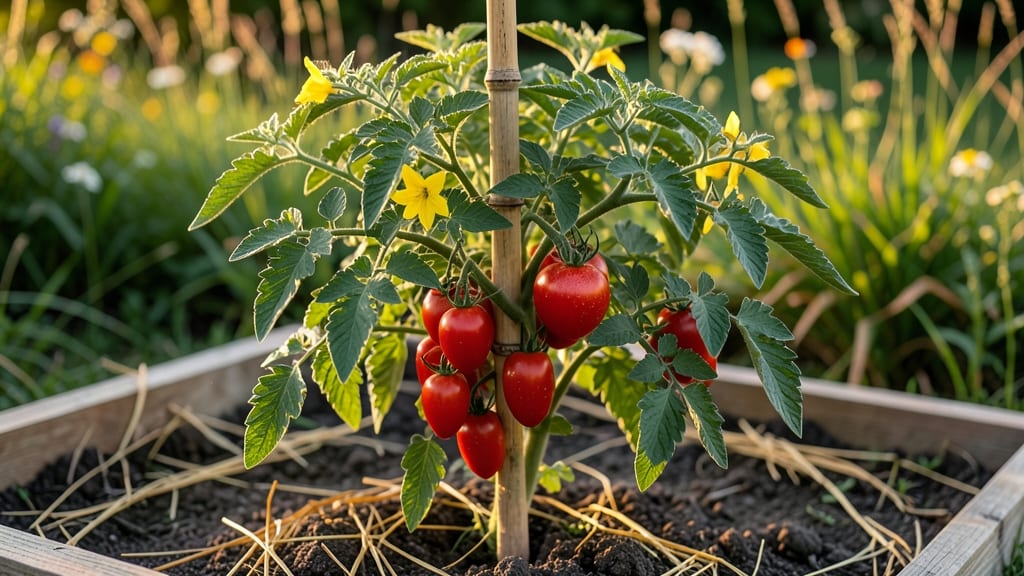
The Speckled Roman tomato’s dramatic striped fruit makes it the showstopper of any garden—especially when grown in containers where its compact size shines. 🌱 I’ve grown this variety for three seasons now, and its bold stripes never fail to impress neighbors (and dinner guests).
The key to those striking fruits? Perfecting the balance of sunlight, water, and support—something I learned the hard way after my first plants flopped from overwatering.
This determinate variety stays tidy in 5-gallon containers, making it ideal for balconies or small spaces. Use a well-draining potting mix with added compost (I mix 60% potting soil, 30% compost, and 10% perlite) and plant seeds ½ inch deep, spacing them 2–3 feet apart in larger containers.
Speckled Romans thrive in full sun (6–8 hours daily) and need 1–2 inches of water per week, though they’re surprisingly drought-tolerant once established.
Pruning isn’t critical, but removing suckers early keeps plants focused on fruit production. The real magic happens when you see those deep pink-and-white striped tomatoes ripening by mid-summer—each one a conversation starter. They’re also blight-resistant, a game-changer in humid climates where other heirlooms struggle.
Here’s the secret to container success: Cage or stake early (I use 5-foot tomato cages) to prevent sprawl, and harvest regularly to encourage more blooms. With the right care, you’ll end up with 20–30 pounds of fruit per plant—enough to share (or can) without regret. Ready to grow yours?
📚 In This Guide
- What you need
- Instructions
- Tips and common mistakes
- Wrapping up and next steps
What you need
- ● Speckled Roman tomato seeds or seedlings – Choose a reputable source for disease-resistant varieties (e.g., Solanum lycopersicum 'Speckled Roman').
- ● Container(s) – At least 5-gallon fabric pots or plastic containers (minimum 12" deep and wide per plant). Drainage holes are a must!
- ● High-quality potting mix – A sterilized, well-draining blend (e.g., 60% peat moss, 20% perlite, 20% compost). Avoid garden soil.
- ● Tomato cages or stakes – 4-6 ft tall stakes or sturdy cages (5-6" diameter) to support vines as they grow.
- ● Balanced fertilizer – 5-10-10 or organic options (e.g., fish emulsion or compost tea) for transplanting and feeding.
- ● Mulch – Straw or shredded leaves (2-3" layer) to retain moisture and suppress weeds.
- ● Hand trowel or transplanting spade – For digging and planting.
- ● Watering can or hose with gentle spray nozzle – Avoid blasting seeds/seedlings.
- ● Pruning shears – For trimming suckers and dead leaves (sterilize with rubbing alcohol).
- ● pH test kit – Ideal soil pH: 6.0–6.8 (adjust with lime or sulfur if needed).
- ● Sunlight access – 6–8+ hours of direct sun daily (south- or west-facing spot is ideal).
- ○ Optional but helpful: Drip irrigation kit for consistent watering.
- ● Row covers (frost protection for early/late seasons).
- ● Epsom salt (magnesium boost for foliage).
- ● Compost tea or mycorrhizal fungi for root health.
Step-by-Step instructions for growing Speckled Roman tomatoes in containers
Here’s how to coax these striking striped beauties into thriving plants with minimal fuss.
🌱 Step 1: Select and Prepare the Perfect Container
Choose a 5-gallon container with drainage holes—Speckled Romans need deep roots to support their heavy fruit. I use fabric grow bags because they prevent root circling and allow excess water to evaporate. If using plastic, drill extra holes along the sides to improve aeration.
Fill the bottom third with 3-4 inches of coarse gravel or broken pottery shards for drainage. This prevents soggy roots, which can rot stems and invite disease. Press the material down lightly to create a stable base before adding soil.
🌿 Step 2: Plant Seedlings at the Right Depth and Stake Early
Dig a hole twice as wide as the root ball but no deeper. Speckled Romans grow 6-8 feet tall, so install a 6-foot bamboo or metal stake at planting time—waiting until later risks damaging roots. Gently tease out any circling roots before placing the seedling in the hole.
Backfill with lightweight potting mix (avoid garden soil—it compacts in containers). Press firmly around the base but leave 1 inch of space between the soil and the rim. Water deeply until it drains from the bottom holes—this settles the soil and eliminates air pockets.
☀️ Step 3: Position for Maximum Sun and Heat
Speckled Romans demand full sun—6+ hours of direct light daily—but they reward you with bold red-and-yellow striped fruit when happy. Place containers on a south-facing patio or balcony where they’ll catch afternoon sun. If your space only gets morning light, supplement with a grow light for 12-14 hours daily.
Watch for sunburned leaves (yellowing or crispy edges) in hot climates. If this happens, move the container to a spot with dappled shade during peak afternoon heat. Mulch with 2 inches of straw to retain moisture and keep roots cool.
💧 Step 4: Water Deeply and Consistently
Container-grown tomatoes dry out fast. Water every 2-3 days (or daily in extreme heat) until water runs freely from the drainage holes. Check soil moisture by sticking your finger 1 inch deep—if it’s dry, it’s time to water. Overwatering is just as deadly as underwatering.
Use a drip irrigation system or watering can to deliver moisture at the base, avoiding wet foliage. Wet leaves invite fungal diseases like early blight, which can defoliate plants in weeks. Always water in the early morning so leaves dry quickly.
✂️ Step 5: Prune and Support for Heavy Fruit
Pinch off suckers (the small shoots growing between the main stem and branches) weekly to direct energy into fruit production. Speckled Romans are indeterminate, meaning they’ll keep growing until frost—so prune spent flowers after harvest to encourage more blooms.
Tie stems to the stake every 12 inches as they grow, using soft plant ties. The striped fruit can weigh 1 pound each, so sturdy support prevents snapped stems. Harvest when fully colored and slightly soft to touch—this ensures peak flavor and encourages the plant to produce more.
Tips & tricks for growing Speckled Roman tomatoes in containers
Between us, these striped tomatoes are worth the extra effort—here's how to give them the best shot at thriving.
Container Selection: The 5-gallon size is non-negotiable for Speckled Romans—their deep roots need room to grow. I've seen gardeners use smaller pots and wonder why their plants struggle. If you're limited on space, consider a fabric grow bag with a 7-gallon capacity instead; the extra room prevents root binding that can stunt growth.
Drainage System: Those 3-4 inches of gravel or shards in Step 1 aren't just decorative—they're your first line of defense against root rot. I've had to repot plants where I skipped this step, and it's a painful lesson. For extra insurance, add a layer of landscape fabric over the gravel to prevent soil from clogging the drainage holes over time.
Sunlight Strategy: The 6+ hours of direct light requirement is firm, but here's the secret: morning sun is more forgiving than afternoon heat. If you're in a hot climate, position your containers to catch morning sun and afternoon shade. The 12-14 hours of grow light supplement is your backup plan for cloudy days—just make sure the light is within 6 inches of the plant for maximum effectiveness.
Pruning Precision: When pinching those suckers in Step 5, aim for clean cuts just above the leaf junction. I learned this the hard way—leaving stubs invites disease. And don't forget to prune spent flowers after harvest; this might seem counterintuitive, but it redirects the plant's energy into producing more striped beauties rather than seed development.
Pro Tips for Speckled Roman Tomato
- Between us, these striped tomatoes are worth the extra effort—here's how to give them the best shot at thriving.
- Container Selection: The 5-gallon size is non-negotiable for Speckled Romans—their deep roots need room to grow.
- Drainage System: Those 3-4 inches of gravel or shards in Step 1 aren't just decorative—they're your first line of defense against root rot.
Frequently asked questions
Got questions about growing or using speckled Roman tomatoes? You’re not alone! Here are answers to the most common queries—from container gardening tips to flavor secrets.
Can speckled Roman tomatoes grow well in containers?
This variety thrives in containers as long as they’re at least 12–18 inches deep and have drainage holes. Use a lightweight potting mix and support vines with a cage or trellis to save space. Just ensure they get 6–8 hours of sunlight daily for optimal fruit production.
How long does it take for speckled Roman tomatoes to ripen?
From transplant to ripe tomato, expect 70–80 days in warm climates. In cooler areas, extend the season by starting seeds indoors 6–8 weeks before the last frost. Pro tip: Use a grow light or black plastic mulch to speed up ripening in short seasons.
What’s the best way to tell if a speckled Roman tomato is ripe?
Look for deep red color with speckles, a slight softness when gently squeezed, and a fragrant aroma near the stem. Unripe tomatoes are hard and greenish—wait for the full color change! Never pick them early; flavor peaks at full ripeness.
Can I substitute speckled Roman tomatoes in recipes?
Yes! Their meaty, sweet-tart flavor makes them perfect for slicing, sauces, or stuffing. Swap them 1:1 for other Roma-type tomatoes, but avoid watery varieties like beefsteak—they lack the same depth of flavor. Bonus: Their stripes add a fun visual twist to dishes!
Why are my speckled Roman tomato leaves turning yellow?
Yellow leaves often signal overwatering, nutrient deficiency, or pests. Check for:
- Root rot: Ensure pots drain well and water only when the top inch of soil is dry.
- Nitrogen deficiency: Feed with a balanced fertilizer (like 10-10-10) every 3–4 weeks.
- Pests: Inspect for aphids or spider mites—spray with neem oil if needed.
Wrapping up and next steps
The speckled Roman tomato isn’t just a stunning addition to your garden—it’s a flavorful, space-saving powerhouse perfect for containers! 🌱 With its bold stripes, disease resistance, and compact growth, this variety proves that big rewards come in small packages.
Whether you’re a seasoned gardener or just starting, its versatility in salads, sauces, or sandwiches makes it a must-try.
Ready to grow your own? Start small this season—plant a few seeds or seedlings in a sunny spot, and watch your container garden transform! 🌿 Refresh your supplies or revisit tips to ensure success. Happy gardening!