
Vegetables
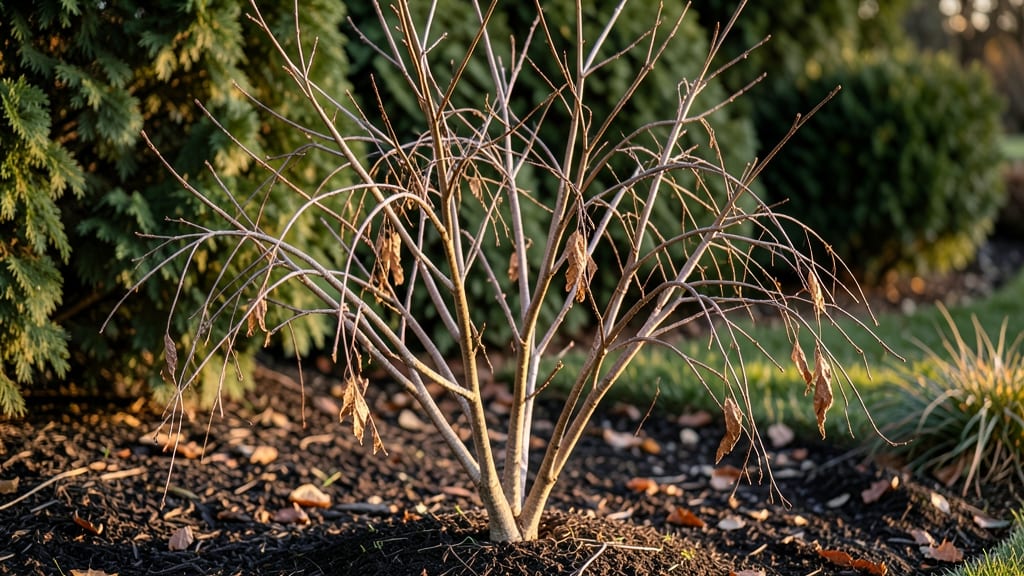
Keeping summersweet shrubs alive through winter turns out to be the secret weapon for next summer's fragrant blooms. 🌿 I've learned the hard way that proper winter prep—mulching, pruning, and frost protection—means the difference between a brown, crunchy mess and a shrub that bursts back to life in spring.
The right approach even lets you harvest those fragrant stems for winter arrangements. The key moves are simple but critical: wrap young shrubs in burlap, mound 3-4 inches of mulch around the base, and prune in late winter to shape and encourage new growth.
Summersweet handles cold down to -20°F, but these steps give it the best shot at surviving—and thriving—through dormancy. I've seen shrubs that looked dead in January explode with new 6-inch shoots by April.
What you end up with is a shrub that smells like summer even in winter—those fragrant stems make incredible dried arrangements, and the foliage stays green longer than most shrubs.
The payoff comes when spring arrives and you see dense clusters of white flowers that attract pollinators from May through August. Works in zones 4-8, whether you're in a windy prairie or a snowy northern yard. Here's how to keep yours alive through the cold months.
📚 In This Guide
- What you need
- Instructions
- Tips and common mistakes
- Wrapping up and next steps
What you need
- ● Summersweet shrub plants: 1–3 mature shrubs (or propagated cuttings if starting fresh). Look for healthy, disease-free specimens with vibrant foliage.
- ● Pruning shears: 1 pair (sharp, sterilized). Pro tip: 💡 Disinfect blades with rubbing alcohol to prevent bacterial spread.
- ● Garden gloves: 1 pair (cut-resistant for safety).
- ● Large harvest baskets or buckets: 2–3 (to collect leaves, stems, and flowers efficiently).
- ● Food-safe storage containers: Freezer: 2–4 airtight, BPA-free containers or resealable bags (quart or gallon size).
- ● Drying: 1–2 dehydrator trays or a food dehydrator with adjustable temperature settings.
- ● Short-term storage: 1–2 glass jars with lids (for fermenting or brining, if desired).
- ● Paper towels or clean kitchen towels: 1 roll (for blotting moisture before storage).
- ● Labeling supplies: Masking tape + permanent markers (to track harvest dates).
- ● Vacuum sealer: 1 (extends freezer life by removing air).
- ● Silica gel packets: 2–3 (for drying delicate leaves or flowers).
- ● Mulch (straw or wood chips): 1–2 bags (to insulate shrub roots during cold snaps).
- ● Grow lights or indoor pots: 1–2 (if overwintering indoors).
How to protect and care for summersweet shrubs through winter
Keep your summersweet shrubs thriving year-round with these simple winter care steps.
☀️ Step 1: Prune Before Frost Sets In
Start by pruning your summersweet shrubs in late fall, just before the first hard frost. This encourages new growth in spring and prevents disease buildup. Focus on removing dead, diseased, or crossing branches first—these are easy to spot as they look brown and brittle compared to healthy green stems.
After clearing out the damaged wood, thin out the center of the shrub to improve airflow. Aim to remove about one-third of the oldest stems at the base, cutting just above a healthy bud or lateral branch. This prevents overcrowding and keeps the shrub's shape open, which is crucial for winter survival. I like to use clean, sharp pruners to make precise cuts—this ensures a clean wound that heals faster.
🪴 Step 2: Mulch and Protect the Root Zone
Once the ground freezes, add a thick layer of mulch around the base of your summersweet shrubs. Use 3-4 inches of organic mulch, like shredded bark or straw, to insulate the roots from extreme cold. Spread it in a wide circle, keeping it 2-3 inches away from the trunk to avoid rot.
For young or newly planted shrubs, consider wrapping the root zone with burlap or a frost blanket. This extra layer of protection can make all the difference in harsh winters. Check the mulch layer periodically throughout winter—if it shifts or settles, add more to maintain that 3-4 inch thickness. This insulation keeps the soil temperature stable and prevents root damage from freezing and thawing cycles.
💧 Step 3: Water Sparingly Before the Ground Freezes
Before the first hard freeze, give your summersweet shrubs a deep watering. This helps hydrate the roots and prepares them for dormancy. Water slowly and deeply, allowing the soil to absorb moisture evenly. Aim for 1-1.5 inches of water per session, and avoid watering if the ground is already frozen.
After this final watering, resist the urge to water again until spring. Overwatering in winter can lead to root rot or heaving, where the soil freezes and expands, pushing the roots out of the ground. Instead, focus on keeping the mulch in place and protecting the shrub from wind and snow buildup. A light dusting of snow can actually help insulate the plant, but heavy snow accumulation should be gently brushed off to prevent branch breakage.
✂️ Step 4: Monitor and Adjust for Winter Stress
Keep an eye on your summersweet shrubs throughout winter, especially during temperature swings. If you notice branches bending under heavy snow or ice, gently remove the weight to prevent damage. Look for signs of winter burn, which appears as dry, brown patches on the leaves or stems—this usually means the plant is struggling with cold stress.
If you live in an area with particularly harsh winters, consider wrapping the entire shrub with burlap or a frost blanket. Secure it loosely to allow for airflow and remove it as soon as spring arrives. Avoid using plastic wraps, as they can trap moisture and lead to rot. By late winter, you’ll start to see new growth—this is your signal that the shrub is waking up from dormancy and ready for spring care.
Tips & tricks for perfect summersweet shrub preservation
Winterizing your summersweet shrubs isn't just about survival—it's about setting them up for a spectacular spring comeback. Here's what I've learned from years of keeping mine thriving through harsh winters.
Pruning Precision: When you're thinning out those oldest stems in Step 1, look for stems that are thicker than a pencil—they're the ones that need to go. I've found that cutting just above a healthy outward-facing bud gives you the best regrowth. And here's a trick: if you're unsure about a cut, make it slightly higher than you think you need to—you can always trim more later, but you can't undo a cut that's too low.
Mulch Magic: The 3-4 inches of mulch in Step 2 isn't just about thickness—it's about creating an insulating blanket. I've discovered that using straw instead of wood chips works better in windy areas because it doesn't blow away as easily. Also, don't forget to fluff that mulch occasionally throughout winter. Settled mulch loses its insulating power faster than you'd think.
Winter Watering Wisdom: That final 1-1.5 inches of water in Step 3 should be done when the soil is still workable but before it gets too cold. I've ruined shrubs by watering when the ground was frozen—it just runs off and doesn't help the roots. Pro tip: water in the late afternoon so any moisture that doesn't soak in has time to evaporate overnight rather than freezing.
Snow Removal Strategy: When those branches start bending under snow in Step 4, don't just shake everything off at once. Remove snow gently in sections, starting from the top. I've seen heavy snow break branches that were already weakened by winter stress. And if you're using a broom, go with a soft-bristled one—plastic ones can scratch the bark.
Pro Tips for Summersweet Shrub In Winter
- Winterizing your summersweet shrubs isn't just about survival—it's about setting them up for a spectacular spring comeback.
- Pruning Precision: When you're thinning out those oldest stems in Step 1, look for stems that are thicker than a pencil—they're the ones that need to go.
- Mulch Magic: The 3-4 inches of mulch in Step 2 isn't just about thickness—it's about creating an insulating blanket.
Frequently asked questions
Got questions about keeping your summersweet shrub thriving—or at least flavorful—through winter? You’re not alone! Here are answers to the most common queries, from storage hacks to troubleshooting tips.
Can summersweet shrubs survive winter outdoors?
Most summersweet shrubs (Clethra alnifolia) are hardy to USDA zones 3–9, meaning they can survive winter outdoors with proper care. Mulch the base with 3–4 inches of organic mulch (like shredded leaves or straw) to insulate roots. Prune lightly in late winter to shape the plant and remove dead growth. Just avoid heavy pruning—new growth needs time to harden off before cold snaps!
How do I store harvested summersweet shrubs for winter use?
While summersweet shrubs aren’t typically stored like vegetables, you can preserve their fragrant flowers and leaves for winter use! Dry bundles of flowers in a dark, airy space (like a mesh bag) for potpourri or tea. For leaves, blanch and freeze them in ice cube trays with water to use later in soups or infusions. Pro tip: Label containers with the date—freshness lasts up to 6 months!
When is the best time to harvest summersweet shrubs for winter prep?
The ideal harvest window is late summer to early fall (August–September), when flowers are fully open but before they brown. Leaves should be vibrant green and free of pests. Harvest on a dry morning after dew has evaporated for the best texture and flavor. Avoid harvesting after the first frost—cold temperatures can dull the plant’s natural oils and aromatics.
What if my summersweet shrub looks sad in winter? Is it dead?
Don’t panic! Summersweet shrubs often look dormant or woody in winter—they’re not dead, just conserving energy. Check for green buds at the base of stems or flexible branches (not brittle). If the ground around the base is frozen but the plant is otherwise healthy, it’s likely just hibernating. Water sparingly in dry winters (if the ground isn’t frozen) and avoid pruning until spring.
Are there alternatives to summersweet shrubs for winter fragrance?
If summersweet isn’t your style, try these winter-friendly fragrant plants:
- Wintergreen (Gaultheria procumbens): Hardy to zone 3, with sweet, minty leaves perfect for tea.
- Daphne (Daphne odora): Blooms in late winter with intoxicating jasmine-like scent (zones 7–9).
- Boxwood (Buxus spp.): Evergreen with glossy leaves that add structure and subtle fragrance.
- Sweet bay (Laurus nobilis): A culinary herb that stays green year-round (zones 7–10).
For a summersweet-like experience, try winter honeysuckle (Lonicera fragrantissima), which blooms early with a honeyed aroma!
Wrapping up and next steps
Discovering how to keep summersweet shrubs thriving in winter isn’t just about survival—it’s about unlocking a treasure trove of flavor year-round! 🌱 From harvesting and freezing to creative recipes, you’ve now got the tools to turn winter’s chill into a season of culinary delight.
Whether you’re a gardening newbie or a seasoned pro, every harvest is a step toward self-sufficiency and joy.
Ready to take the next step? Start by picking one method—freezing, fermenting, or drying—and give it a try this week. Share your wins (or funny mishaps!) with fellow gardeners, and let the summersweet magic inspire your kitchen adventures. 🍽️✨