
Vegetables
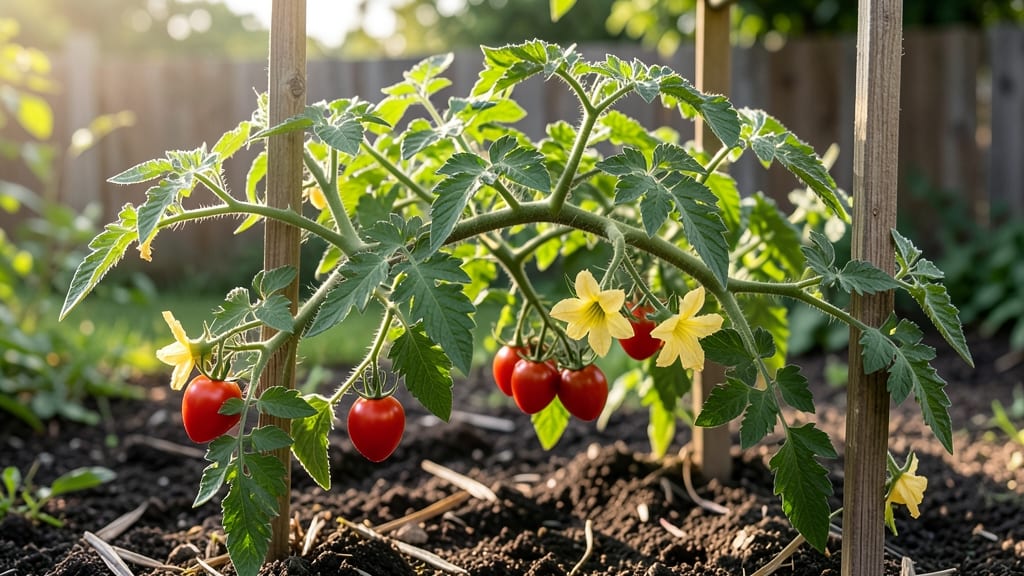
Growing Sunrise Bumblebee tomatoes means striped, sweet fruit that tastes like summer even when temperatures drop. 🌱 These cold-hardy beauties handle pots and chilly mornings better than most varieties, and their unique red-and-yellow stripes make them the showstopper of any garden bed.
The secret to their success is patience and the right conditions: 6-8 hours of sun daily, well-draining soil with compost, and containers at least 18 inches deep.
They start slow but reward you with 2-3 pounds of fruit per plant once established, and their flavor stays rich even in cooler weather. You'll harvest glossy, 2-inch tomatoes starting in midsummer, perfect for slicing or snacking straight off the vine.
The plants stay compact—ideal for small spaces—and their disease resistance means fewer chemical interventions than with standard varieties. Whether you're growing in 5-gallon pots on a balcony or in-ground, these tomatoes deliver bold flavor without the fuss. Let's get those seeds started!
📚 In This Guide
- What you need
- Instructions
- Tips and common mistakes
- Wrapping up and next steps
What you need
- ● Seeds or seedlings: 1-3 Sunrise Bumblebee Tomato seeds (or 1-2 seedlings from a nursery).
- ● Containers: 1-2 5-gallon pots (or larger) with drainage holes. Pro tip: 💡 Use fabric grow bags for better aeration!
- ● Potting mix: 1 bag of high-quality organic potting soil (mix in perlite or vermiculite for drainage).
- ● Fertilizer: Balanced tomato fertilizer (10-10-10 or organic options like compost tea).
- ● Stakes or cages: 1-2 6-foot tomato stakes or sturdy cages to support vines.
- ● Mulch: Straw or shredded leaves to retain moisture and regulate soil temp.
- ● Trowel or small shovel for planting.
- ● Watering can or hose with a gentle spray nozzle.
- ● Pruning shears (for trimming suckers and dead leaves).
- ○ Garden gloves (optional but handy!).
- ● Row cover or frost cloth (if growing in cold snaps).
- ● Sunlight: 6-8+ hours of direct sun daily (they’re sun-worshippers!).
- ● Warm soil temps (60°F/15°C minimum for germination).
- ● Patience! Sunrise Bumblebees take 70-80 days to fruit.
- ● Consistent watering (keep soil evenly moist, not soggy).
Step-by-step guide to growing stunning Sunrise Bumblebee tomatoes
Here's how I cultivate these striking striped beauties—resilient, flavorful, and perfect for containers or chilly climates.
🌱 Step 1: Start Seeds Indoors 6-8 Weeks Before Last Frost
Fill 4-inch biodegradable pots with sterile seed-starting mix (never garden soil—it's too dense). Plant 2 seeds per pot at ¼-inch depth, spacing them 1 inch apart. I tap the seed packet gently to release one seed at a time—planting too many in one hole leads to weak, crowded seedlings.
Cover lightly with additional mix and mist gently until evenly moist. Place pots in a seedling heat mat to maintain 75-85°F soil temperature—this ensures 70-80% germination rate within 7-10 days. The key is consistency: check moisture daily but resist the urge to water until the soil surface feels dry to the touch.
☀️ Step 2: Provide Optimal Light and Harden Off
The instant seedlings emerge, move them to a south-facing window or under full-spectrum LED grow lights for 14-16 hours daily. Sunrise Bumblebees need strong light to prevent leggy growth—watch for stems stretching toward the light or leaves spaced more than 1 inch apart. If you see this, lower the light to 2-4 inches above the plants immediately.
Two weeks before transplanting, begin hardening off by placing pots outside in partial shade for 1-2 hours the first day. Gradually increase exposure by 1 hour daily over 10-14 days, ending with full sun. This slow transition prevents transplant shock and ensures robust growth once outdoors.
🪴 Step 3: Transplant to Containers or Garden Beds
Choose 5-gallon containers with drainage holes or a garden spot with full sun (6+ hours daily) and well-draining soil. Bury seedlings deeper than their original depth—up to the first set of true leaves—to encourage strong root growth. Space plants 18-24 inches apart in the garden or use one 5-gallon container per plant for pots.
Water deeply at transplanting to settle soil around roots, then maintain 1-1.5 inches of water weekly, adjusting for rain. Mulch with 2-3 inches of straw to retain moisture and regulate soil temperature. Sunrise Bumblebees thrive in cooler weather, so in zones below 8, plant in late spring after frost risk passes.
✂️ Step 4: Prune and Support for Maximum Yield
Install cages or stakes at transplanting to support the 4-6 foot vines. Prune suckers (shoots in the leaf axils) weekly to redirect energy to fruit production. I pinch off the first few suckers below the first flower cluster—this ensures the plant puts energy into establishing roots and early fruit rather than excessive foliage.
Remove yellowing leaves regularly to improve airflow and prevent disease. Harvest striped fruits when they reach 1-2 inches for peak flavor. Sunrise Bumblebees ripen unevenly, so check plants every 2-3 days—unripe fruit left on the vine detracts from the plant's energy and can cause cracking.
⏰ Step 5: Extend the Season with Cold Protection
In cooler climates, cover plants with frost blankets when nighttime temperatures drop below 50°F. I also use black plastic mulch in early spring to warm the soil and jumpstart growth. Sunrise Bumblebees tolerate light frosts better than most varieties, but a hard freeze will damage foliage—protect plants until all risk of frost has passed.
At season's end, compost plant debris to prevent disease carryover. Save seeds from your healthiest tomatoes by fermenting and drying them—Sunrise Bumblebees produce true-to-type seeds, so you'll get the same striped beauty next year.
Tips & tricks for growing Sunrise Bumblebee tomatoes
These are the hard-won lessons that'll help you coax the most vibrant stripes and sweetest fruit from your Sunrise Bumblebee plants.
Germination Conditions: The 75-85°F soil temperature during germination is non-negotiable—any cooler and your seeds may take weeks to sprout, if they sprout at all. I've found that placing the seedling heat mat on a small tray of warm water helps maintain consistent heat without overheating. Once you see those first tiny sprouts, move them immediately to bright light—they won't wait long to stretch toward the sun.
Lighting Strategy: For the 14-16 hours of daily light these tomatoes crave, I recommend supplementing your south-facing window with full-spectrum LED grow lights if natural light falls short. Position the lights 2-4 inches above the seedlings and adjust as they grow—this prevents that classic "leggy" look where stems elongate like toothpicks. Rotate your pots daily so all sides get even light exposure, which helps prevent the plants from growing lopsided.
Transplanting Technique: When you're ready to move your seedlings to their permanent home, bury them deeper than their original depth—up to the first set of true leaves. This might seem counterintuitive, but it encourages stronger root development. For container growers, I can't stress enough how important those 5-gallon containers with drainage holes are—Sunrise Bumblebees have vigorous root systems that need room to spread and won't tolerate soggy feet.
Harvesting Timing: The 1-2 inch size guideline for harvesting is your sweet spot for flavor, but here's the thing about Sunrise Bumblebees: they ripen unevenly. I've learned to check my plants every 2-3 days and harvest anything that's reached that 1-inch minimum, even if others are still green. Leaving unripe fruit on the vine can actually cause the plant to divert energy away from developing new flowers and fruit, which is the last thing you want when you're dreaming of a bountiful harvest.
Pro Tips for Sunrise Bumblebee Tomatoes
- These are the hard-won lessons that'll help you coax the most vibrant stripes and sweetest fruit from your Sunrise Bumblebee plants.
- Germination Conditions: The 75-85°F soil temperature during germination is non-negotiable—any cooler and your seeds may take weeks to sprout, if they sprout at all.
- Lighting Strategy: For the 14-16 hours of daily light these tomatoes crave, I recommend supplementing your south-facing window with full-spectrum LED grow lights if natural light falls short.
Frequently asked questions
Got questions about growing or enjoying Sunrise Bumblebee tomatoes? You’re not alone! Here are some of the most common queries—plus quick answers to help you grow this striped stunner with confidence.
Can Sunrise Bumblebee tomatoes grow in containers?
These tomatoes thrive in pots—just ensure the container is at least 5 gallons and has drainage holes. Use a high-quality potting mix rich in compost, and provide a sturdy stake or cage for support. Pro tip: Place pots in full sun (6+ hours daily) and water consistently to keep the soil moist but not soggy.
When is the best time to plant Sunrise Bumblebee tomatoes?
Start seeds indoors 6–8 weeks before your last frost date for an earlier harvest. Transplant seedlings outdoors after soil temps reach 55°F+ and nighttime temps stay above 45°F. In cold climates, use row covers or grow them in pots to move indoors during chilly snaps.
Why are my Sunrise Bumblebee tomatoes cracking?
Cracking often happens when tomatoes grow too fast due to inconsistent watering or fluctuating temps. To prevent it:
- Water deeply and evenly (1–2 inches per week).
- Avoid letting soil dry out completely between waterings.
- Mulch around plants to stabilize moisture.
Are there alternatives to Sunrise Bumblebee tomatoes for small spaces?
If you love compact, flavorful tomatoes, try these space-saving varieties:
- Tiny Tim – Dwarf cherry tomato, perfect for 1-gallon pots.
- Patio Princess – Bush variety with sweet red fruit.
- Micro Tom – Super-small but prolific (harvest in 45 days!).
How cold can Sunrise Bumblebee tomatoes tolerate?
While they’re not frost-hardy, young seedlings can handle temps down to 40°F with protection. Mature plants may survive brief dips to 50°F, but growth slows below 55°F. For extended cold snaps, grow them in pots and move them indoors or under a cold frame. Use row covers for extra insulation!
Wrapping up and next steps
Growing Sunrise Bumblebee tomatoes is a rewarding journey that brings vibrant color and delicious flavors to your garden—even in pots or cooler climates! 🌱 Their striking stripes, cold tolerance, and compact size make them a standout choice for both beginners and seasoned gardeners.
Whether you're harvesting homegrown salsa or sharing your bounty with neighbors, these tomatoes prove that beauty and productivity go hand in hand.
Ready to dive in? Start small—pick a sunny spot, gather your supplies, and plant your seeds or seedlings this season. With a little patience and care, you’ll be savoring (and showing off!) your Sunrise Bumblebee harvest in no time. Happy gardening! 🌅🍅