
Vegetables
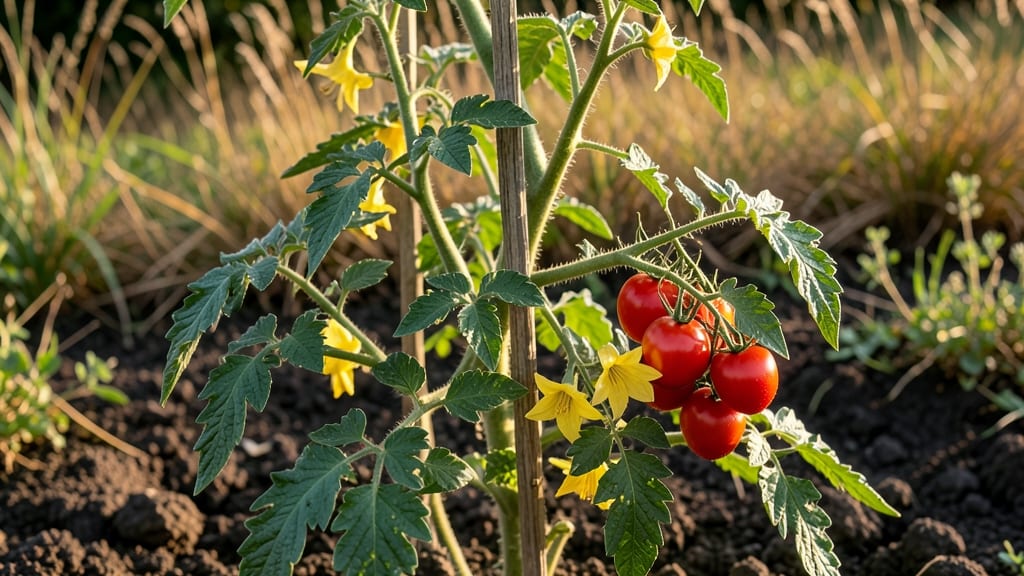
Growing sweet tomato fruit that tastes like summer in every bite starts with the right varieties and a little patience. 🌱 I've grown tomatoes for years, and the difference between store-bought and homegrown—especially sweet heirlooms like 'Sugar Baby' or 'Sun Gold'—is night and day.
These aren't just tomatoes; they're sun-ripened jewels that burst with flavor when you grow them right.
The secret to that sweet tomato fruit magic lies in sunlight, soil, and timing. You need full sun (6-8 hours daily), well-draining soil rich in compost, and consistent watering—never soggy roots.
I learned the hard way that skipping these basics means flavorless, mealy tomatoes no matter how long you wait. But when you nail these, you're looking at 50 days from seed to harvest with tomatoes so sweet they'll make your neighbors ask for cuttings.
Here's where it gets exciting: pruning, fertilization, and ripening tricks turn good tomatoes into showstopper sweetness. Pinch suckers early, feed with balanced fertilizer (low in nitrogen), and let them ripen on the vine—even if it means waiting a few extra days.
The payoff? Tomatoes so sweet they'll have you questioning why you ever bought store-bought. I'm talking caramel-like depth, tropical tang, and bursting juiciness that makes every bite worth the effort.
This method works for containers or gardens, whether you're in a warm climate or stretching the season with row covers. The key is consistency—sun, soil, and a little TLC—and you'll be harvesting tomatoes that taste like vacation every time. Let's get those seeds started!
📚 In This Guide
- What you need
- Instructions
- Tips and common mistakes
- Wrapping up and next steps
What you need
- ● Seeds: 10–20 sweet tomato seeds (heirloom or hybrid varieties like 'Sugar Snap,' 'Sweet 100,' or 'Sun Gold' work best).
- ● Containers or Garden Bed: Containers: 5–10-gallon pots (1–2 per plant) with drainage holes.
- ● Garden Bed: Well-draining soil in a sunny spot (6+ hours of sunlight daily).
- ● Potting Mix: High-quality seed-starting mix or organic vegetable garden soil (avoid regular garden soil—it can compact).
- ● Fertilizer: Balanced organic fertilizer (5-5-5 or 10-10-10 NPK ratio) or compost tea for seedlings.
- ● Watering Can or Hose: With a gentle spray nozzle for even moisture.
- ○ Grow Lights (Optional but Helpful): LED grow lights (12–16 hours/day) if starting indoors before last frost.
- ● Hand Trowel: For transplanting seedlings.
- ● Pruning Shears: To trim suckers and shape plants.
- ● Stakes or Cages: 3–4 ft tall to support vining varieties.
- ● Mulch: Straw or shredded leaves to retain moisture and suppress weeds.
- ● pH Test Kit: To ensure soil pH is between 6.0–6.8 (tomatoes thrive in slightly acidic soil!).
- ● Plant Tags: To label varieties and track progress.
Step-by-step guide to growing sweet tomato fruit
Here’s how to coax those flavorful tomatoes from seed to vine in just two months.
🌱 Step 1: Start Seeds Indoors with Precision Timing
Plant seeds 8-10 weeks before your last frost date—my rule of thumb is mid-March for most climates. Use biodegradable peat pots (2-3 inches deep) filled with sterile seed-starting mix to avoid soil-borne diseases. Press each seed ¼ inch deep—any deeper delays germination because the seedling must push through more soil.
Moisten the mix with a spray bottle until it’s damp but not soggy. Cover the tray with a clear plastic dome or plastic wrap to trap warmth and humidity. Place the tray on a seedling heat mat (75-85°F) to speed germination. You’ll see sprouts in 5-10 days, but don’t rush—wait until all seeds have germinated before removing the cover to prevent damping-off.
☀️ Step 2: Provide Light and Prevent Leggy Growth
The moment seedlings emerge, move them under 14-16 hours of full-spectrum grow light—a south-facing window won’t cut it. Position the light 2-4 inches above the plants and raise it as they grow to maintain that gap. Leggy seedlings (thin, pale stems) mean light deprivation, and those won’t recover. You’ll know you’ve got it right when seedlings have thick stems and dark green leaves spaced less than 1 inch apart.
Rotate the tray quarter-turn daily so plants grow straight instead of leaning toward the light. Once seedlings have 2-3 true leaves, fertilize lightly with a balanced liquid fertilizer (5-5-5) at half strength. Over-fertilizing now burns tender roots—think of it as a gentle wake-up call, not a feast.
🪴 Step 3: Harden Off and Transplant After True Leaves Form
4-6 weeks after sowing, when seedlings have 4-6 true leaves, it’s time to harden them off. Start by moving them outside to a shaded, sheltered spot for 1-2 hours the first day. Gradually increase exposure by 1 hour daily until they’re out all day. This toughens their skin and roots—skipping this step means shocked plants that wilt or bolt in the garden.
Transplant after the last frost when soil temps reach 60°F. Bury stems halfway up the stem—this encourages root growth along the buried section. Space plants 18-24 inches apart in full sun (6-8 hours daily). Water deeply at the base, not overhead, to avoid fungal diseases. Mulch with 2-3 inches of straw to retain moisture and suppress weeds.
💧 Step 4: Maintain Water and Fertility for Sweet Fruit
Water deeply 1-2 times per week, aiming for 1 inch of water total. Let the top 2 inches of soil dry between waterings—consistent moisture prevents blossom-end rot and cracking. Use a drip irrigation system or water early in the day to reduce evaporation. Avoid wetting leaves to prevent fungal diseases like early blight.
Fertilize every 2-3 weeks with a tomato-specific fertilizer (high in phosphorus and potassium). Look for signs of deficiency: yellow leaves mean nitrogen deficiency, while purple stems signal phosphorus starvation. Prune suckers (the shoots between the main stem and branches) to direct energy to fruit production. You’ll see the difference in bigger, sweeter tomatoes by mid-season.
⏰ Step 5: Harvest at Peak Ripeness for Maximum Sweetness
Harvest when tomatoes are fully colored and slightly soft to the touch. For heirlooms, this means deep red, yellow, or purple—no green shoulders allowed. For cherry tomatoes, pick when they’re plump and vibrant. Use pruning shears or twist gently at the stem to avoid damaging the plant. Harvesting regularly encourages more fruit to set.
Store ripe tomatoes at room temperature (never in the fridge—they lose flavor). You’ll know you’ve succeeded when the first tomato bursts with sweet, complex flavor—that’s the payoff for patience. Save seeds from your best tomatoes to grow next year’s even sweeter crop.
Tips & tricks for perfect sweet tomato fruit
Here's what nobody tells you about growing tomatoes that actually taste like sunshine—these tricks make all the difference between store-bought and homegrown perfection.
Germination Precision: The 75-85°F heat mat temperature is non-negotiable for speedy germination. If your home stays cooler, place the seed tray on top of your fridge (not inside) to maintain that warm environment. I've seen germination times double when seeds get chilled—don't let that happen! Also, avoid misting the seeds after planting; use the spray bottle just on the soil surface to prevent seed displacement.
Lighting Strategy: Those 14-16 hours of grow light aren't just arbitrary—they mimic summer daylight and prevent leggy growth. I recommend LED grow lights because they're energy-efficient and don't generate excess heat. Position the light so it's just above the tallest seedlings, then raise it as they grow. If you notice leaves touching the light, adjust immediately to prevent scorching.
Transplanting Technique: Burying stems halfway up encourages stronger root systems, but there's a trick to make it work better: Gently loosen the roots before transplanting by squeezing the peat pot sides. This helps them spread out in the garden soil. Also, transplant on an overcast day or in the evening to reduce transplant shock from direct sunlight.
Fertility Management: The 2-3 weeks fertilization schedule is perfect, but here's the secret: alternate between a balanced fertilizer and a phosphorus-heavy one (like 10-20-10) every other feeding. This prevents nitrogen overload that can reduce fruit sweetness. I've noticed tomatoes develop deeper flavor when given that phosphorus boost during flowering.
Pro Tips for Sweet Tomato Fruit
- Here's what nobody tells you about growing tomatoes that actually taste like sunshine—these tricks make all the difference between store-bought and homegrown perfection.
- Germination Precision: The 75-85°F heat mat temperature is non-negotiable for speedy germination.
- Lighting Strategy: Those 14-16 hours of grow light aren't just arbitrary—they mimic summer daylight and prevent leggy growth.
Frequently asked questions
Got questions about growing sweet tomato fruit? You’re not alone! Here are answers to the most common queries to help you grow juicy, flavorful tomatoes like a pro.
How do I know when my sweet tomato seeds are ready to plant?
Start seeds indoors 6-8 weeks before your last frost date. Look for 2-3 true leaves (not the first seed leaves) before transplanting outdoors. Harden off seedlings by placing them outside for 1-2 hours daily for a week before full exposure.
Why aren’t my sweet tomatoes ripening in 50 days?
Sweet tomato varieties like ‘Sweet 100’ or ‘Sungold’ typically ripen in 50-60 days, but slow ripening can stem from cool nights, poor sunlight, or overcrowding. Ensure they get 6-8+ hours of sun daily and prune excess foliage to improve airflow.
Can I grow sweet tomatoes in containers? What’s the best pot size?
Yes! Sweet tomatoes thrive in containers as long as the pot is at least 5 gallons (bigger is better for bush varieties). Use a well-draining potting mix and place the pot in a sunny spot. Dwarf varieties like ‘Tiny Tim’ need 3-5 gallons, while indeterminate types need 10+ gallons.
What’s eating my tomato plants, and how do I stop it?
Common pests include aphids, hornworms, and spider mites. For aphids, spray with soapy water. Handpick hornworms (they’re camouflaged!). To deter mites, mulch around plants and use neem oil as a natural repellent.
What’s a good alternative if sweet tomatoes don’t grow well in my climate?
Try cherry tomatoes (like ‘Sun Gold’), roma tomatoes (for sauces), or ground cherries (sweet, papery fruit). For heat-sensitive areas, opt for heat-tolerant varieties like ‘Heatmaster’ or ‘Solar Fire’.
Pro Tip: Harvest regularly!
Picking ripe tomatoes encourages more production. Use scissors or a knife to avoid damaging the vine. Store unripe tomatoes at room temperature to finish ripening—never refrigerate until fully ripe!
Wrapping up and next steps
Growing sweet tomato fruit from seed is a rewarding journey that brings fresh, flavorful produce to your table in just 50 days! With the right soil, sunlight, and care, you’ll enjoy juicy, homegrown tomatoes bursting with natural sweetness—perfect for salads, sauces, or snacking. 🌱✨
Now that you’re equipped with tips and answers, it’s time to roll up your sleeves and start planting. Whether you’re a beginner or a seasoned gardener, every seed you sow is a step toward a bountiful harvest. Happy growing—and get ready to savor the taste of success! 🍅💚