
Vegetables
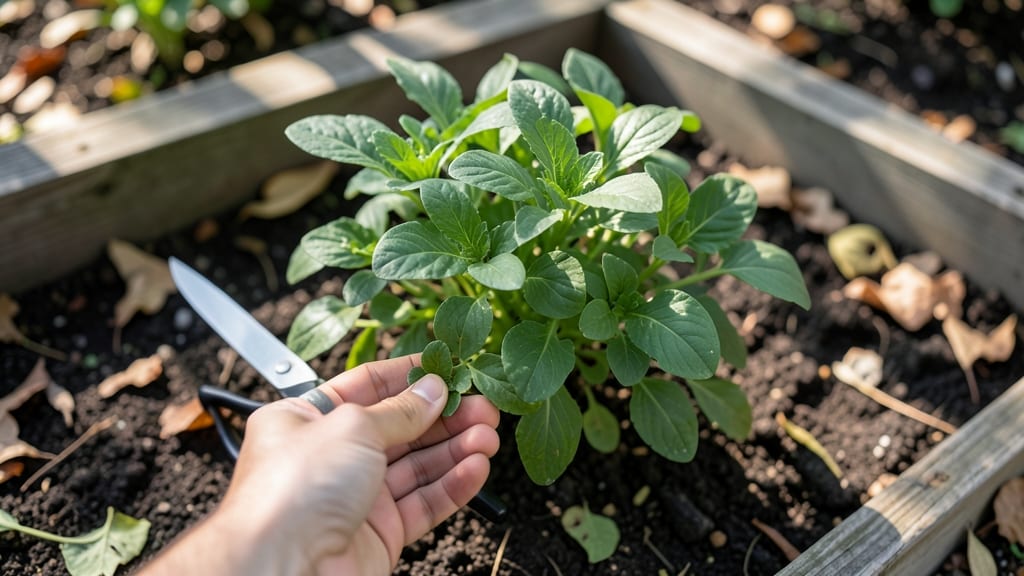
Growing tender green mustard from seed gives you peppery, restaurant-quality greens in just 50 days—no waiting months for harvests like with lettuce. 🌱 I learned the hard way that mustard thrives when treated like a fast-growing annual, not a finicky crop. The secret?
Cool soil, consistent moisture, and harvesting before it bolts into those bitter yellow flowers everyone fears. Mustard handles partial shade better than most greens, making it perfect for early spring or late fall plantings when heat is still a threat.
Start seeds indoors 4-6 weeks before last frost or sow directly where you want them—just scratch seeds into ½-inch-deep furrows and keep soil damp. Unlike lettuce, mustard doesn’t mind being crowded; thin seedlings to 6 inches apart once they’re 2 inches tall.
You’ll taste the difference when you harvest: bright, crisp leaves with a kick that’s milder than store-bought. Pull leaves from the outside first to encourage bushier growth, and keep harvesting until plants start flowering.
The first flush of greens appears in 3-4 weeks, and you’ll have a steady supply for 6-8 weeks total. Bolting? That’s the real enemy. Mustard bolts when days get long or soil dries out—so mulch heavily in hot weather and consider shade cloth if your spring stretches too late.
Pests are rarely an issue, but watch for flea beetles; row covers work wonders. With these tricks, you’ll have more mustard than you know what to do with—perfect for salads, sandwiches, or even edible garnishes.
📚 In This Guide
- What you need
- Instructions
- Tips and common mistakes
- Wrapping up and next steps
What you need
- ● Green Mustard Seeds: 1 packet (about 1/4 lb or 113g) – choose varieties like Southern Giant Curled or Tendergreen for best results.
- ● Potting Soil: 10-15 lbs of high-quality, well-draining potting mix (look for organic options with compost).
- ● Containers or Garden Bed: Option 1: Containers – 5-10 gallon pots (1-2 plants per pot) with drainage holes.
- ● Option 2: Garden Bed – A sunny spot with loose, fertile soil (6” deep minimum).
- ● Watering Can or Hose: With a gentle spray nozzle for even moisture.
- ● Fertilizer: Balanced organic fertilizer (10-10-10 or compost tea) for planting and again at 3 weeks.
- ● Gloves – To protect your hands from prickly leaves.
- ● Trowel or Small Shovel – For planting seeds or transplanting seedlings.
- ○ Row Cover or Mesh – Optional, to protect young plants from pests like flea beetles.
- ● Pruning Shears – For harvesting outer leaves without damaging the plant.
- ○ pH Test Kit – Optional, to ensure soil pH is between 6.0-7.0 (mustard prefers slightly acidic to neutral soil).
Step-by-step instructions for growing tender green mustard
Here's how to grow mustard greens that stay crisp and peppery—no tough stems or bitter leaves.
🌱 Step 1: Choose the Right Variety and Start Seeds Indoors or Outdoors
For tender mustard greens, I recommend varieties like 'Southern Giant Curled' or 'Tendergreen'—they stay sweet and crisp longer than standard types. Start seeds indoors 4-6 weeks before your last frost if your growing season is short, or sow directly outside when soil reaches 40°F.
Fill seed trays with light, well-draining soil—mustard seeds need air around their roots to prevent rot. Press seeds ¼ inch deep and space them 1 inch apart in rows 18 inches apart. Keep soil moist but not soggy; mustard seeds germinate best in 60-70°F soil.
💧 Step 2: Thin Seedlings and Maintain Even Moisture
Once seedlings reach 2 inches tall, thin them to 4-6 inches apart to give roots room to grow. Use scissors to snip unwanted plants at soil level—this avoids disturbing the roots of remaining seedlings. Mustard greens grow fast, so thinning early prevents competition for nutrients.
Water consistently—mustard greens wilt quickly when dry. Aim for 1 inch of water per week, delivered at the base of plants to keep leaves dry and prevent fungal diseases. Mulch with straw after thinning to retain moisture and suppress weeds.
☀️ Step 3: Provide Partial Shade and Harvest Before Bolting
Mustard greens tolerate partial shade (4-6 hours of sun daily), which keeps them tender. Too much direct sun makes leaves bitter and causes bolting—when plants flower and go to seed. If temperatures rise above 75°F, provide afternoon shade to slow growth and maintain crispness.
Harvest when leaves reach 4-6 inches long—this is the sweetest, most tender stage. Cut outer leaves first, leaving the center to regrow. You’ll get 3-4 harvests before the plant bolts. If you wait too long, leaves turn tough and peppery flavor intensifies (which is fine for cooking, but not for tender salads).
✂️ Step 4: Extend the Season with Successive Plantings
Mustard greens grow best in cool weather. For a continuous harvest, sow new seeds every 2-3 weeks until 6 weeks before your first frost. In warm climates, plant in fall or winter to avoid bolting. Use shade cloth if summer temperatures exceed 80°F.
To overwinter in mild climates, protect plants with a row cover or cold frame. Mustard greens can survive light frosts, and cold weather actually sweetens their flavor. Harvest until plants bolt or turn yellow—then pull and compost to make room for spring plantings.
Tips & tricks for perfect tender green mustard
Here's what nobody tells you about growing mustard greens that stay crisp and delicious—no more bitter surprises!
Variety Selection: The 'Southern Giant Curled' or 'Tendergreen' varieties are your best bet for tender leaves that stay sweet longer. I've learned the hard way that standard mustard greens bolt quickly and turn tough—these varieties give you that extra window for harvesting. Look for seed packets labeled specifically for "tender" or "baby leaf" varieties at your local nursery.
Soil Temperature Secret: Mustard seeds need soil between 60-70°F to germinate properly. If your soil feels cooler than that, consider using a seedling heat mat ($20 at garden centers) or wait until daytime temperatures consistently reach 60°F. Cold soil slows germination and can lead to uneven sprouting—trust me, you don't want a patchy mustard bed!
Thinning Technique: When thinning those 2-inch-tall seedlings to 4-6 inches apart, use clean scissors instead of pulling by hand. This prevents disturbing the roots of your remaining plants, which means less stress and faster regrowth. I always do this on a dry morning so the soil holds together better when I cut.
Harvest Timing: Those 4-6 inch leaves are your sweet spot for tenderness. I harvest mine in the morning after the dew has dried but before the sun gets too intense. Cutting outer leaves first lets the center keep growing, giving you 3-4 harvests from one planting. Wait too long, and you'll get that classic peppery bite that's great for cooking but not for fresh salads.
Pro Tips for Tender Green Mustard
- Here's what nobody tells you about growing mustard greens that stay crisp and delicious—no more bitter surprises!
- Variety Selection: The 'Southern Giant Curled' or 'Tendergreen' varieties are your best bet for tender leaves that stay sweet longer.
- Soil Temperature Secret: Mustard seeds need soil between 60-70°F to germinate properly.
Frequently asked questions
Got questions about growing tender green mustard?
You’re not alone! Here are answers to the most common ones to help you cultivate a thriving harvest.
How do I know when tender green mustard is ready to harvest?
Harvest your tender green mustard when the leaves are 3–6 inches tall and still crisp—usually 30–50 days after sowing. Wait too long, and the leaves turn bitter. For baby greens, snip leaves from the base, leaving older leaves to regrow. For full-size plants, cut just above the soil to encourage regrowth.
Can I grow tender green mustard in hot weather?
Green mustard thrives in cool to mild temperatures (50–75°F). In hot climates, it bolts quickly (goes to seed) or tastes bitter. For summer growing, opt for shade cloth or plant in early spring/fall. Varieties like ‘Southern Giant Curled’ tolerate heat slightly better but still prefer cooler conditions.
What’s the difference between green mustard and regular mustard?
Green mustard refers to young, leafy plants harvested before they mature, while regular mustard refers to the seeds (used for spicy condiments). Green mustard leaves are peppery, tangy, and mild—perfect raw in salads or cooked in stir-fries. The mature plant produces seeds used for mustard powder or oil.
Why are my green mustard leaves turning yellow or wilted?
Yellowing or wilting often signals overwatering, poor drainage, or pests. Ensure soil is moist but not soggy and well-draining. Check for aphids or flea beetles (tiny holes in leaves). If soil is compacted, loosen it gently. For quick fixes, trim affected leaves and boost water consistency.
Can I substitute green mustard for arugula or mustard greens?
Yes! Green mustard is milder and less peppery than arugula but similar in texture. For mustard greens, green mustard is a lighter, faster-growing alternative—great for salads or sautéing. Swap 1:1 in recipes, but taste first: green mustard has a unique tang that pairs well with citrus, nuts, or creamy dressings.
Wrapping up and next steps
Tender green mustard is a fast-growing, nutrient-packed powerhouse that brings bold flavor to your garden and plate in just 50 days! Whether you're a seasoned gardener or a curious beginner, its peppery kick and easy care make it a standout choice.
With minimal space and effort, you can enjoy fresh, homegrown greens year-round.
Ready to elevate your harvest? 🌱 Start by grabbing seeds, prepping your soil, and planting—then watch your garden transform into a vibrant mustard patch! For extra inspiration, explore our guide on companion planting or dive into quick-pickling recipes to savor your harvest in new ways.