
Vegetables
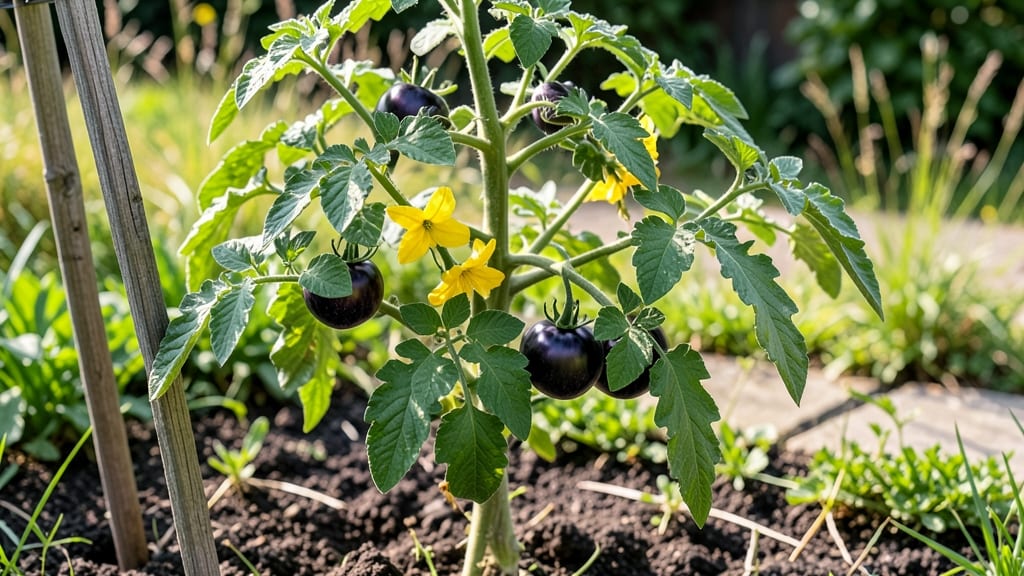
Growing purple tomatoes delivers vibrant striped harvests that look like edible art—no fancy tricks required. 🌱 I’ve grown these striking varieties for three seasons, and the secret isn’t complicated: it’s about sunlight, soil, and patience (not constant fussing).
These tomatoes mature in 60 days and pack deep, smoky-sweet flavor that red varieties can’t match, making them perfect for slicing salads or roasting. The key starts with soil: these plants thrive in well-draining, nutrient-rich mixes with a pH between 6.0 and 6.8.
Purple tomatoes also crave full sun (6-8 hours daily) and consistent moisture—never soggy soil. Varieties like ‘Indigo Rose’ or ‘Purple Cherokee’ handle heat better than you’d expect, but their purple hues fade when exposed to too much direct sun for long stretches.
By day 60, you’ll be harvesting bold, striped fruits that range from deep eggplant purple to lavender streaks. The flavor? Richer than heirloom reds, with a hint of blueberry-like depth.
Prune aggressively early on to direct energy toward fruit production, and watch your plants reward you with abundant, showstopping harvests that last through fall. Works in containers or garden beds, and even handles partial shade if you prioritize soil fertility.
Here’s how to make it happen without the usual tomato drama.
📚 In This Guide
- What you need
- Instructions
- Tips and common mistakes
- Wrapping up and next steps
What you need
- ● Purple tomato seeds or seedlings: Choose a variety like 'Indigo Rose' or 'Black Krim' (1-2 plants per container or 3-4 seeds per spot in the ground).
- ● Containers or garden bed: Containers: 5-gallon pots (1 per plant) with drainage holes.
- ● Garden bed: Full sun (6+ hours/day), well-draining soil, and space 18-24 inches apart.
- ● Potting mix: High-quality, organic mix (avoid garden soil—it can compact). Pro tip: Mix in compost for extra nutrients! 🌿
- ● Fertilizer: Balanced organic fertilizer (10-10-10) or tomato-specific feed.
- ● Watering can or hose: With a gentle spray nozzle to avoid disturbing seedlings.
- ● Stakes or cages: 6-foot tomato cages or bamboo stakes (1 per plant).
- ● Mulch (straw or shredded leaves) to retain moisture.
- ● Pruning shears for shaping plants.
- ● Grow lights (if starting indoors before last frost).
- ● Soil pH test kit (ideal range: 6.0–6.8).
- ● Pest control: Neem oil or companion plants (like basil or marigolds).
Step-by-step instructions for growing purple striped tomatoes
Here's how to coax those stunning purple-striped fruits from seed to table in just two months.
🌱 Step 1: Start Seeds Indoors 6-8 Weeks Before Last Frost
Fill 2-3 inch deep seedling trays with sterile seed-starting mix and plant 2 seeds per cell at ¼ inch depth. The purple-striped variety ('Indigo Rose' or 'Purple Cherokee') germinates best at 75-85°F, so use a seedling heat mat if your home runs cooler. Cover with plastic wrap to retain moisture and place in indirect light until sprouts appear.
You'll see the first true leaves emerge in 7-10 days—that's your cue to remove the plastic immediately. Without it, seedlings develop damping-off disease overnight. Keep the soil consistently moist but never soggy; I water from the bottom to prevent fungal spores from splashing onto tender stems.
☀️ Step 2: Provide 14+ Hours of Light and Harden Off
Move seedlings under grow lights (LED or fluorescent) within 48 hours of germination. Purple tomatoes need strong light to develop their dramatic coloration—without it, the stripes fade to pale green. Position lights 2-3 inches above the plants and raise them weekly as seedlings grow.
Start hardening off 2 weeks before transplanting by placing pots outside in partial shade for 1 hour daily. Gradually increase exposure over 7 days
Choose a sunny spot with 6+ hours of direct sun and well-draining soil. Purple tomatoes thrive in slightly acidic soil (pH 6.0-6.8), so amend with compost if your soil tests higher. Plant seedlings 18-24 inches apart in rows 3 feet apart—these vining plants need space to sprawl. Dig holes twice as wide as the root ball and mix in a handful of bone meal for phosphorus. Water deeply before planting, then firm soil around stems. The first true fruit sets best when night temperatures stay above 55°F, so don't rush if spring nights are still chilly. Water at the base 1-2 inches per week, letting soil dry slightly between waterings. Purple tomatoes concentrate their color when slightly water-stressed, but don't let them wilt. Install cages or stakes at planting to support the 6-8 foot vines—these beauties get top-heavy with fruit. Prune suckers (side shoots) regularly to focus energy on fruit production. I remove any leaves touching the soil to prevent disease. The stripes develop fully in 60-70 days from transplanting, so resist picking early—they're stunningest when fully mature. Pick tomatoes when they're fully colored but still slightly firm. Purple-striped varieties ripen unevenly—check daily starting 60 days after transplanting. Use pruning shears to avoid damaging vines, and store at room temperature until fully ripe. These tomatoes hold their color when cooked, making them perfect for sauces, roasting, or slicing onto salads. For extra flavor, blanch and freeze unripe tomatoes—you'll develop the full purple intensity as they ripen indoors over winter.🪴 Step 3: Transplant After All Frost Risk Has Passed
💧 Step 4: Water Deeply and Support for Heavy Fruit
✂️ Step 5: Harvest and Preserve the Stunning Fruit
Tips & tricks for growing stunning purple-striped tomatoes
Here's what I've learned after growing these dramatic beauties for years—the little details that make all the difference.
Germination Temperature: Those 75-85°F germination temps aren't just suggestions—they're critical. If your home stays cooler, invest in a seedling heat mat. I've seen germination rates drop by half when seeds sit at room temperature (around 68°F). The heat mimics spring soil conditions and triggers faster, more uniform sprouting.
Lighting Strategy: The 14+ hours of light requirement is non-negotiable for those signature purple stripes. I use a combination of LED grow lights and natural sunlight, keeping them 2-3 inches away. Watch for leaves stretching toward the light—that's a sign they need more intensity. The stripes fade dramatically without sufficient light, turning pale and washed out.
Transplanting Timing: Wait until night temperatures stay above 55°F before transplanting—this is your true indicator, not just calendar dates. I've transplanted too early when night temps dipped to 50°F, and the plants struggled to set fruit. The 18-24 inch spacing might seem generous, but these vines get heavy with fruit and need room to sprawl without disease pressure.
Watering Technique: The 1-2 inches per week guideline works best when measured at the soil surface, not when it rains. I use a rain gauge to track accumulation and water deeply at the base rather than overhead. Purple tomatoes concentrate their color when slightly water-stressed, but you'll know you've gone too far when leaves start curling or wilting—both signs of over-stress.
Pro Tips for The Purple Tomato
- Here's what I've learned after growing these dramatic beauties for years—the little details that make all the difference.
- Germination Temperature: Those 75-85°F germination temps aren't just suggestions—they're critical.
- Lighting Strategy: The 14+ hours of light requirement is non-negotiable for those signature purple stripes.
Frequently asked questions
Got questions about growing or using purple tomatoes?
Here are answers to the most common ones—because even the boldest striped harvest starts with the right know-how!
Can I grow purple tomatoes in containers or small spaces?
Purple tomatoes thrive in containers as long as the pot is at least 5 gallons and has drainage holes. Use a lightweight potting mix, and place the container in full sun (6–8 hours daily). Just ensure the pot is wide enough for sturdy support—trellises or cages work great. Pro tip: Dwarf varieties like 'Indigo Rose' are perfect for small spaces!
How long does it take for purple tomatoes to ripen?
Most purple tomato varieties mature in 60–85 days from transplant, depending on the cultivar and growing conditions. Striped types like 'Purple Cherokee' often ripen on the earlier side (60–70 days). Watch for color deepening and slight softness—don’t wait too long, or they may crack! Fun fact: Purple tomatoes stay firm longer than red ones, making them great for slicing.
What’s the best way to handle heat or cold stress?
Purple tomatoes hate extreme heat (above 90°F) or frost. To beat the heat: mulch heavily, provide afternoon shade, and water deeply in the morning. For cooler climates, start seeds indoors 6–8 weeks before the last frost and use row covers early in the season. Pro tip: Black plastic mulch warms soil faster—ideal for short growing seasons!
Are purple tomatoes safe to eat raw, and how do they taste?
Yes! They’re safe and packed with antioxidants (like anthocyanins). Flavor-wise, they’re slightly sweeter and tangier than red tomatoes, with a earthy, almost plum-like taste. Use them raw in salads, roasted for depth, or blended into salsas. Warning: Their skin can be tough—peel if needed!
What if my purple tomatoes turn green or stay small?
Green tomatoes? Likely due to cool temps or lack of sunlight. Move plants to sunnier spots and wait—some varieties (like 'Black Krim') stay green until fully ripe. Tiny tomatoes? Check for underwatering, poor pollination (shake plants gently), or nutrient deficiencies (add compost or a balanced fertilizer). Quick fix: Hand-pollinate with a paintbrush if needed!
Wrapping up and next steps
The purple tomato isn’t just a feast for the eyes—it’s a rewarding, low-maintenance crop that delivers flavor-packed results in just 60 days. With the right soil, sunlight, and a sprinkle of patience, you’ll unlock a harvest that’s as nutritious as it is striking.
Whether you’re a gardening newbie or a seasoned green thumb, these bold striped beauties prove that great things grow with minimal effort!
Ready to dive in? Start small—plant a few seeds or seedlings this season and watch your garden transform into a vibrant purple paradise. Your future meals (and Instagram feed) will thank you! 🌱✨