
Vegetables
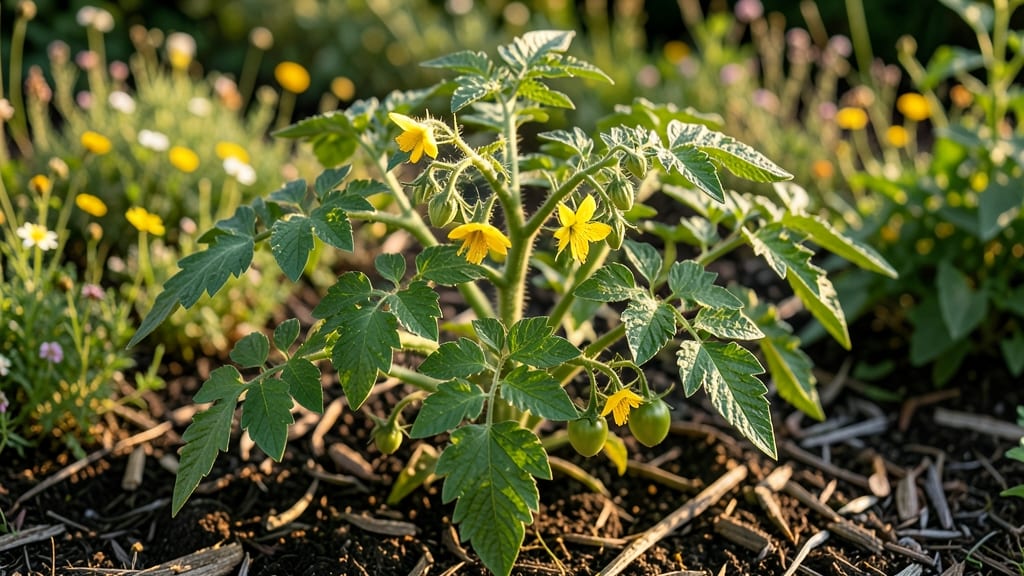
Watching the stages of tomato flower to fruit transformation is gardening magic—if you know what to do. 🌱 The journey from delicate blossom to ripe tomato depends on perfect timing, weather, and a little help from you.
I've tracked every stage for years, and these secrets will help your plants produce more fruit than ever before.
First comes the flower: small, yellow, and full of potential. Within 24-48 hours, you'll see tiny fruit bumps forming—this is pollination in action.
Warm days (above 70°F) and gentle breezes help, but sometimes you'll need to give your plants a hand with a paintbrush or by gently shaking the stems. Too much heat or humidity? Flowers drop instead of setting fruit, and that's when frustration sets in.
By 10-14 days, those bumps grow into 1-inch tomatoes, turning green and firm. Prune suckers now to direct energy to fruit development, and watch for pests like hornworms that love young tomatoes.
With the right care, you'll see full-sized fruit in 4-6 weeks, ready to harvest and enjoy.
Even experienced gardeners face blanketing or blossom-end rot—these tips prevent common pitfalls. The key is consistency: water deeply but evenly, fertilize lightly during fruiting, and protect plants from extreme temperatures. Soon, you'll be harvesting tomatoes straight from the vine, proud of every stage.
📚 In This Guide
- What you need
- Instructions
- Tips and common mistakes
- Wrapping up and next steps
What you need
- ● Tomato plants: Disease-resistant varieties (e.g., Celebrity, Beefsteak, or Cherry) with healthy flowers (1–2 plants per experiment for best visibility).
- ● Pollination tools: A soft paintbrush (size #2 or #4) or cotton swab for manual pollination.
- ○ A small handheld fan (optional, for airflow assistance).
- ● Watering supplies: Watering can with a fine rose nozzle (to avoid disturbing flowers).
- ● pH-balanced fertilizer (5-10-10 or tomato-specific, diluted to half-strength).
- ● Observation tools: Magnifying glass (10x magnification, for close-ups of flower anatomy).
- ● Notebook & pen (to track stages and conditions).
- ● Camera or smartphone (with macro mode for documenting progress).
- ● Temperature: Ideal range of 70–85°F (21–29°C) during flowering (tomatoes struggle below 55°F/13°C).
- ● Sunlight: 6–8+ hours of direct sunlight daily (partial shade may delay pollination).
- ● Humidity: Moderate levels (40–60% humidity); use a hygrometer if needed.
- ● Wind/Bees: If indoors or bee-less, rely on manual tools (see above).
- ● Growth charts: Printable tomato flower-to-fruit stage guides (free templates online).
- ● Grow lights: LED full-spectrum bulbs (for supplementing sunlight in low-light areas).
- ● Pollinator-friendly plants: Basil, marigolds, or borage nearby to attract bees naturally.
- ● Pruning shears: For removing suckers or damaged flowers (sterilized with rubbing alcohol).
How to identify and Support tomato flower to fruit development
Watch your tomato plants transform blossoms into fruit with this step-by-step guide to natural pollination.
🌸 Step 1: Recognize the Flowering Stage
The first clue is the appearance of yellow blossoms on your tomato plant's terminal or leaf axils. These flowers typically emerge 4-6 weeks after transplanting when the plant has developed 5-7 true leaves. Each flower cluster can produce 5-12 fruit, depending on the variety.
Here's the thing—you'll notice some flowers may drop off naturally. This is normal as the plant focuses energy on establishing strong growth. The flowers that remain open for 24-48 hours are your best candidates for pollination. Pay special attention to the stamens (the yellow structures) and pistil (the central green structure) within each blossom.
🌿 Step 2: Understand the Pollination Process
Tomatoes are self-pollinating, meaning they don't need bees to transfer pollen. Instead, they rely on vibration or wind to shake pollen from the stamens onto the pistil. When conditions are right—warm, dry days with light breezes—you'll see the flowers naturally pollinate themselves.
I've found that plants in containers or greenhouses often need a little help. Gently tap each flower cluster with your finger once daily during bloom time to mimic wind vibration. You'll know pollination is working when the flower begins to curl inward and the petals start turning brown at the edges after 3-5 days.
☀️ Step 3: Monitor Fruit Set and Early Development
After successful pollination, the flower will drop its petals and a tiny green tomato (called a "tomato button") will begin forming. This stage typically occurs 7-10 days after bloom. At this point, you'll want to ensure your plants receive consistent watering—1-1.5 inches per week—to prevent blossom end rot.
Here's what to watch for: If the small tomatoes begin to yellow or drop off within a week, it's often a sign of poor pollination or environmental stress. Check for even moisture in the soil and adequate sunlight (tomatoes need 6-8 hours of direct sun daily). The fruit should grow steadily, doubling in size every 2-3 weeks.
🍅 Step 4: Support Fruit Maturation Through Ripening
Once the tomato buttons reach 1-2 inches in size, they enter the rapid growth phase. This is when you'll notice the color change from green to pink/yellow (depending on the variety) and eventually to full ripeness. During this stage, reduce watering slightly to 1 inch per week to concentrate flavor.
Real talk: If your tomatoes start to split or crack as they ripen, it's a sign of uneven watering. Keep the soil consistently moist but not soggy—never let it dry out completely between waterings. You'll know you're doing it right when the fruit develops a rich, deep color and feels slightly soft when gently squeezed.
Tips & tricks for supporting tomato flower development
Transforming blossoms into fruit takes more than just patience—it requires understanding the subtle cues your tomato plants give. Here's what I've learned from years of watching these plants go from flower to harvest.
Timing is Everything: Those 24-48 hours when flowers remain open are your golden window for pollination. I've noticed that flowers opening in the morning typically have the best success rates—this aligns with natural bee activity patterns. If you're hand-pollinating, focus on these morning-opening flowers first, as they're most receptive to your gentle tapping. The key is consistency: once daily is all it takes, but don't skip days during this critical window.
Visual Cues for Success: After you've tapped those flowers, watch for the telltale signs of successful pollination. The flower should begin curling inward within 3-5 days, and the petals will start turning brown at the edges—this is nature's way of saying "pollination complete." I always check the flowers I tapped the day before to track progress. If you see flowers dropping petals but no fruit forming after 7-10 days, it might be time to give them another gentle tap or check for environmental stressors like extreme heat or cold.
Environmental Support: The 6-8 hours of direct sunlight mentioned in the instructions are non-negotiable for healthy flower development. I've found that positioning plants where they receive morning sun and afternoon shade works best in hot climates—this prevents stress that can cause flowers to drop before pollination. Also, maintain that consistent 1-1.5 inches of water per week during the flowering stage. Too much water can cause blossom end rot later, while too little stresses the plant and reduces fruit set.
Troubleshooting Common Issues: If you notice flowers dropping without setting fruit, it's often a sign of environmental stress. Check for sudden temperature swings—tomatoes prefer stable conditions between 70-85°F during the day. Another common issue is over-fertilizing with nitrogen, which promotes leafy growth at the expense of flowers. If your plants are lush but flower-sparse, switch to a phosphorus-rich fertilizer (look for the middle number in the NPK ratio) to encourage blooming. Remember, healthy flowers lead to healthy fruit!
Pro Tips for Tomato Flower To Fruit Stages
- Transforming blossoms into fruit takes more than just patience—it requires understanding the subtle cues your tomato ...
- Timing is Everything: Those 24-48 hours when flowers remain open are your golden window for pollination. I've noticed...
- Visual Cues for Success: After you've tapped those flowers, watch for the telltale signs of successful pollination. T...
Frequently asked questions
Got questions about turning tomato flowers into juicy fruits?
You’re not alone! Here are some of the most common queries—plus quick answers to help you troubleshoot and succeed in your garden.
Why aren’t my tomato flowers turning into fruit?
This is usually due to lack of pollination. Tomato flowers need pollen transfer—either by bees, wind, or gentle hand-pollination. If you’re growing indoors or in a greenhouse, try vibrating the flowers with a small brush or your finger to release pollen. Extreme heat or cold can also halt fruit set.
How long does it take for tomato flowers to become fruit?
After successful pollination, it typically takes 20–30 days for a tomato flower to develop into a ripe fruit, depending on the variety and growing conditions. Cherry tomatoes may mature faster (14–20 days), while beefsteak types can take longer (30–50 days). Keep an eye on color changes!
Can I hand-pollinate tomato flowers if there are no bees?
Use a soft paintbrush or cotton swab to transfer pollen from the male anthers (the yellow dusty parts) to the female stigma (the sticky center). Do this on a dry morning for best results. This method works especially well for greenhouse or indoor plants.
What’s the best temperature for tomato flowers to set fruit?
Tomato flowers thrive in temperatures between 55–85°F (13–29°C). Below 55°F or above 90°F (32°C), pollen may fail to germinate or flowers can drop. If your garden is too hot, provide shade cloth or water the soil to cool roots. Morning watering helps too!
Why are my tomato flowers falling off before fruiting?
This is often called flower drop and can happen due to stress, like overwatering, underwatering, nutrient deficiencies (especially calcium), or sudden temperature swings. Ensure consistent moisture, fertilize with balanced tomato food, and avoid overcrowding plants for better airflow.
Wrapping up and next steps
Understanding the tomato flower to fruit stages is your secret weapon for a bountiful harvest! 🌱 From pollination to ripening, each step plays a crucial role—whether you’re hand-pollinating, optimizing conditions, or troubleshooting issues.
With patience and the right techniques, you’ll turn those tiny blooms into juicy, sun-ripened tomatoes in no time.
Ready to put your new knowledge into action? Start by observing your plants daily—note which flowers are setting fruit and adjust care as needed. Happy gardening, and may your tomato season be the most rewarding yet! 🍅✨