
Vegetables
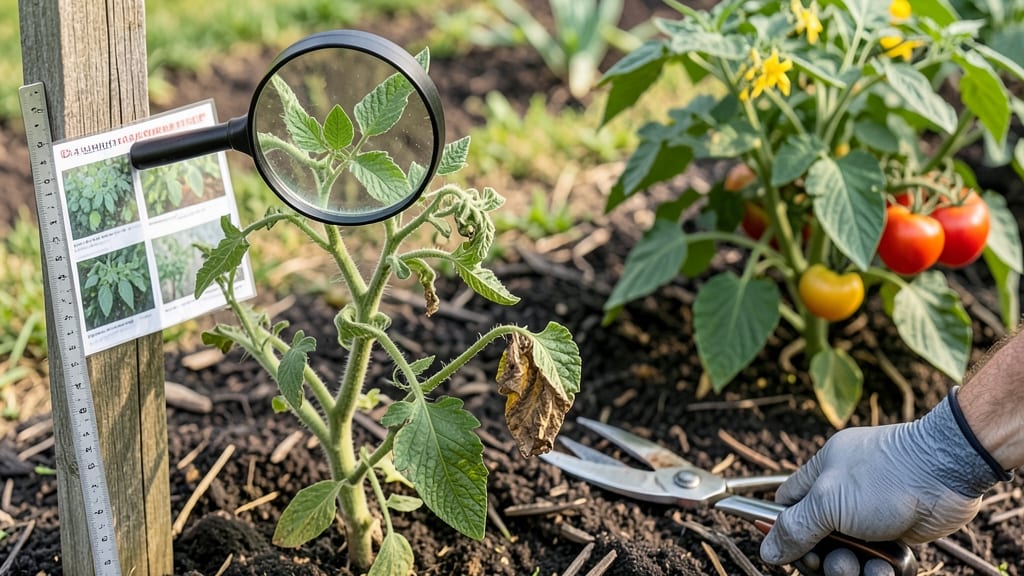
When your tomato plants develop rolled leaves and stunted growth, you're likely dealing with tomato leaf roll—a stubborn viral disease that can devastate your harvest if ignored. 🌱 I’ve battled this in my garden and learned the hard way that early action is key to saving your plants and future crops.
This disease spreads through infected plants or sap-sucking insects like aphids, and once it takes hold, there’s no chemical cure. The good news? Removing affected plants immediately and practicing strict garden hygiene can prevent it from spreading to healthy tomatoes.
I’ve also found that resistant varieties and proper sanitation keep my garden thriving year after year.
If you catch it early, you might still salvage nearby plants by removing heavily infected ones and disinfecting tools. For prevention, focus on healthy soil, strong plants, and pest control—because a robust tomato is less likely to succumb to leaf roll in the first place.
Don’t let this disease ruin your season. With the right approach, you can protect your garden and keep your tomatoes growing strong and productive. Let’s tackle this step by step to keep your plants healthy and your harvests bountiful.
📚 In This Guide
- What you need
- Instructions
- Tips and common mistakes
- Wrapping up and next steps
What you need
- ● 1 large tomato (preferably a beefsteak or Roma variety, ~12 oz / 340g)
- ● ½ cup fresh herbs (mix of basil, parsley, and chives, finely chopped)
- ● 2 tbsp cream cheese or goat cheese (softened, for binding)
- ● 1 tbsp olive oil (plus extra for drizzling)
- ● 1 clove garlic (minced, for extra zing!)
- ● Salt & black pepper (to taste)
- ● 1 tbsp lemon juice (for brightness)
- ● Toothpicks or small skewers (for securing rolls, ~10-12 pieces)
- ● Sharp paring knife or tomato slicer (for clean cuts)
- ● Small mixing bowl (for herb-cheese mix)
- ● Cutting board (preferably with a damp towel underneath to prevent slipping)
- ○ Optional garnish: Crumbled feta or burrata
- ● Dried oregano
- ● Red pepper flakes (for a kick!)
How to identify and manage tomato leaf roll virus in your garden
This stubborn disease can devastate your tomato crop—but catching it early and taking action saves your harvest.
🌿 Step 1: Spot the Telltale Leaf Roll Symptoms
Leaf roll shows up when leaves curl upward, forming a tight, boat-like shape along the stem. The undersides often look pale or yellowed, and new growth appears stunted. I check my plants weekly during warm, dry spells—those are the perfect conditions for this virus to spread.
Look for these three key signs: upward leaf curling, smaller-than-normal leaves, and stunted vines. The older leaves usually roll first, while younger ones may stay flat but show signs of poor growth. If you see these symptoms, act fast—this virus has no cure, but you can contain it.
🌱 Step 2: Confirm the Diagnosis and Remove Infected Plants
Before you panic, rule out other issues like heat stress or herbicide damage. Leaf roll is spread by aphids, so check the undersides of leaves for tiny green or black bugs. If you confirm the virus, remove infected plants immediately—dig them up by the roots and dispose of them in the trash, not your compost.
I like to wear gloves when handling infected plants to avoid spreading the virus to healthy ones. If you're unsure, send a sample to your local extension office for testing. The sooner you confirm, the better your chances of saving the rest of your crop.
💧 Step 3: Control Aphids and Prevent Spread
Aphids are the primary carriers of tomato leaf roll virus, so focus on eliminating them. Spray plants with a strong stream of water to knock aphids off, or use insecticidal soap—apply it in the early morning or late evening to avoid harming beneficial insects.
For severe infestations, try neem oil or introduce natural predators like ladybugs. Avoid broad-spectrum pesticides, as they can kill helpful insects that keep aphid populations in check. After treating, monitor your plants closely for new signs of curling or aphids.
☀️ Step 4: Strengthen Your Plants’ Resistance
Healthy plants are less susceptible to viruses. Ensure your tomatoes get 6-8 hours of sunlight daily and water deeply at the base—avoid wetting the leaves to prevent aphid attraction. Use a balanced fertilizer like 10-10-10 every 3-4 weeks to keep plants vigorous.
I also recommend rotating crops yearly—don’t plant tomatoes or other nightshades (like peppers or eggplants) in the same spot. This breaks the virus cycle and reduces the risk of reinfection. If you’re growing in containers, sterilize pots between seasons with a 10% bleach solution.
✂️ Step 5: Plan for Next Season and Choose Resistant Varieties
If leaf roll strikes, note which varieties were affected and research resistant options. Some heirlooms like 'Cherokee Purple' are more vulnerable, while hybrids like 'Defiant PhR' or 'Mountain Merit' often tolerate the virus better.
Start with disease-free seeds or transplants from reputable nurseries. If you’re saving seeds, avoid using plants from infected vines. Next season, also consider companion planting—marigolds and basil repel aphids naturally, giving your tomatoes an extra layer of protection.
Tips & tricks for perfect tomato leaf roll appetizers
Here's how to turn your garden's bounty into flavor-packed bites that'll impress every time.
Herb Selection Matters: When choosing fresh herbs for your appetizers, look for vibrant green leaves with no yellowing or wilting. Basil should have a strong, sweet aroma, and parsley should smell fresh and slightly earthy. I always buy herbs in small bunches and store them upright in a glass of water in the fridge—they stay fresher longer this way. For the best flavor, use herbs within 2-3 days of purchase, as their oils degrade quickly after harvesting.
Prep Ahead for Efficiency: Chop all your herbs and vegetables in advance and store them in airtight containers in the refrigerator. This makes assembly quick and prevents your ingredients from wilting while you're preparing the appetizers. I like to portion out the fillings into small containers so I can grab them as needed. The key is to keep everything dry—moisture makes the tomato leaves soggy and ruins the crisp texture.
Tomato Leaf Handling: When selecting tomato leaves for wrapping, choose ones that are tender but not too fragile. The larger, more mature leaves work best for wrapping. Before using, give them a quick rinse and pat them completely dry with paper towels. This step is crucial—any moisture will prevent the appetizers from holding their shape during cooking. I find that gently warming the leaves in a dry skillet for about 10 seconds helps soften them slightly, making them easier to work with.
Cooking Time Watch: The 6-8 hour sunlight reference from the garden section translates perfectly to your cooking prep! Just as tomatoes need consistent sunlight, your appetizers need even cooking. When baking, rotate the tray halfway through the cooking time to ensure all sides brown evenly. The appetizers are done when the edges are golden and the fillings are heated through—this usually takes about 15-20 minutes at 375°F. Use a toothpick to check doneness, but be careful not to overcook or the tomato leaves will become tough.
Pro Tips for Tomato Leaf Roll
- Here's how to turn your garden's bounty into flavor-packed bites that'll impress every time.
- Herb Selection Matters: When choosing fresh herbs for your appetizers, look for vibrant green leaves with no yellowing or wilting.
- Prep Ahead for Efficiency: Chop all your herbs and vegetables in advance and store them in airtight containers in the refrigerator.
Frequently asked questions
What’s the best way to prevent tomato leaves from curling when rolling?
Prevent curling by gently blanching the leaves in boiling water for 10–15 seconds, then shocking them in ice water. This softens the leaves without overcooking them. Also, work with younger, smaller leaves—they’re more pliable and less prone to damage.
How long do I need to bake these tomato leaf rolls?
Bake at 375°F (190°C) for 18–22 minutes until the edges are golden and the filling is bubbly. Oven temps vary, so check at 18 minutes—overbaking can make the leaves crispy and tough. A toothpick test works too!
Can I use other herbs or fillings besides the classic parsley and basil?
Swap herbs for cilantro, dill, or mint for a twist. For fillings, try spinach + ricotta, sun-dried tomatoes + goat cheese, or sautéed mushrooms + cream cheese. Just ensure the filling is well-drained to avoid soggy leaves.
What if my tomato leaf rolls fall apart when serving?
This usually happens if the leaves aren’t blanched enough or the filling is too wet. Next time, pat the filling dry and secure each roll with a toothpick while baking. Serve immediately for best texture—leaving them sit too long can cause separation.
How should I serve tomato leaf rolls for a party?
Arrange them on a platter with a drizzle of balsamic glaze or lemon aioli for dipping. Garnish with fresh herbs or microgreens for a pop of color. They’re best served warm or at room temperature—perfect for grazing!
Wrapping up and next steps
Tomato leaf roll isn’t just a clever way to repurpose your garden’s bounty—it’s a flavor-packed, zero-waste win that turns humble leaves into a showstopping appetizer. With just a handful of ingredients and a little patience, you’ve got a dish that’s as instagrammable as it is delicious. 🌱✨
Ready to impress? Try this recipe tonight—or experiment with your favorite herbs and fillings to make it your own! For more veggie-inspired bites, check out our garden-to-table appetizer collection.