
Vegetables
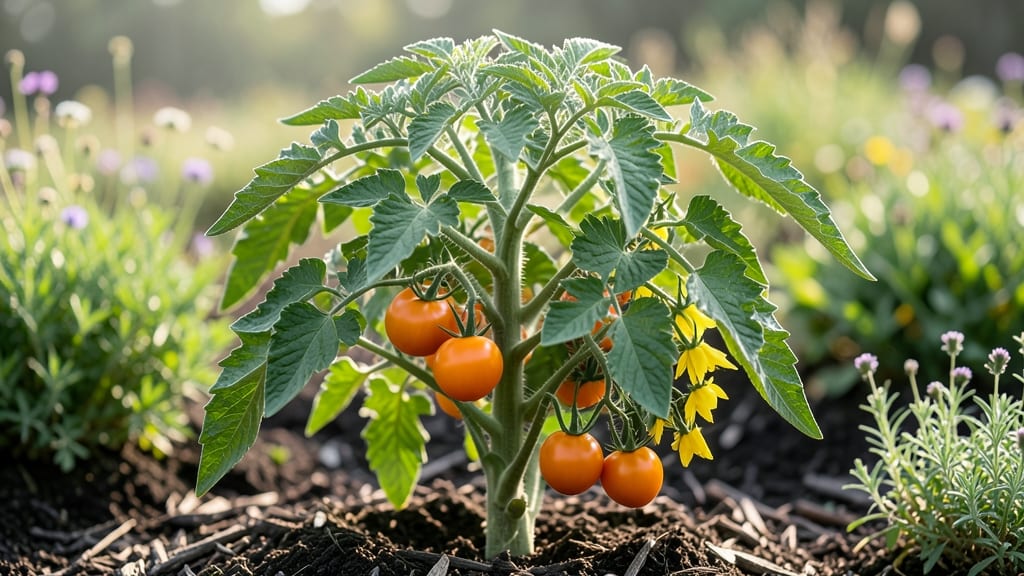
This Orange Russian tomato isn't just another heirloom—it’s a bold, striped perennial that keeps producing when most tomatoes call it quits. 🌱 I fell for its vibrant orange fruit and the promise of harvests beyond a single season, and now I’m hooked on its resilience and unique flavor that tastes like summer concentrated in every bite.
Growing it right starts with well-draining soil rich in organic matter—think compost mixed into your beds—and a spot where it gets 6-8 hours of sunlight daily. Unlike annual tomatoes, this one thrives with minimal fuss, though it does best in zones 8-11 where frost isn’t a yearly threat.
Prune aggressively to encourage bushier growth and prevent disease, and you’ll reward yourself with fruit that’s sweeter than store-bought and packed with smoky depth.
What really sets it apart is the potential for year-round harvests in mild climates, with proper winter protection. Picture plucking ripe tomatoes in December when your neighbors are still dreaming of summer—that’s the magic of this variety.
The yield isn’t massive, but the quality and novelty make every plant worth its space.
Fair warning: it’s not foolproof—pests and diseases still target it, so stay vigilant with organic sprays and mulch. But once you taste that first homegrown slice, you’ll understand why gardeners swear by this striped beauty. Let’s get those seeds in the ground!
📚 In This Guide
- What you need
- Instructions
- Tips and common mistakes
- Wrapping up and next steps
What you need
- ● Seeds or young plants: 3–5 Tomato Orange Russian seeds (or 1–2 nursery-grown plants for faster results). Opt for organic, non-GMO seeds if possible!
- ● Well-draining soil: 5–10 lbs of potting mix (for containers) or amend garden soil with compost (2–3 gallons per planting area). Aim for a pH of 6.0–7.0.
- ○ Containers (optional but ideal): 2–3 gallon-sized pots (with drainage holes) for each plant, or a raised bed (at least 12" deep).
- ● Fabric grow bags (10–15 gallons) for better root aeration.
- ● Fertilizer: Balanced organic fertilizer (e.g., 5-5-5 or 10-10-10) for planting.
- ● Slow-release granules (like osmocote) for ongoing nutrients.
- ● Watering supplies: Watering can or drip irrigation system (to avoid overwatering).
- ○ Moisture meter (optional but helpful for container growers).
- ● Support structures: Trellis or tomato cages (4–6 ft tall) to train vines and improve air circulation.
- ● Stakes or bamboo poles (for smaller setups).
- ● Hardiness: Thrives in USDA Zones 9–11 (perennial in warm climates; treat as annual in cooler zones).
- ● Sunlight: Full sun (6+ hours daily)—partial shade may reduce fruit production.
- ● Temperature: Ideal: 70–85°F (day), 60–70°F (night).
- ● Avoid frost (below 32°F)—use row covers in transitional zones.
- ● Prerequisites: Test soil for nitrogen, phosphorus, and potassium (ideal NPK: 3-4-3).
- ● Ensure no recent tomato family plants in the same spot (rotate crops to prevent disease).
- ● Mulch: Straw or wood chips (2–3 inches) to retain moisture and suppress weeds.
- ● Pruning shears: For trimming leggy growth or dead leaves.
- ● Epsom salt: (1 tbsp/month) for magnesium boosts (especially in sandy soil).
- ● Companion plants: Basil, marigolds, or nasturtiums to deter pests naturally.
- ● Greenhouse or cold frame: For overwintering in cooler climates (Zone 8 or below).
Step-by-step guide to growing Orange Russian tomatoes
Here’s how to cultivate this striking perennial tomato variety for bold, striped fruit and continuous harvests.
🌱 Step 1: Select the Right Location and Prepare the Soil
Orange Russian tomatoes thrive in full sun—at least 6-8 hours daily—so choose a south-facing spot in your garden. These plants love warmth, so avoid areas where spring frosts linger. The soil should drain well but retain moisture; amend heavy clay with 2-3 inches of compost and sandy soil with 1 inch of organic matter.
Test the soil pH—ideal is 6.0-6.8. If your soil is too acidic, mix in 1 cup of lime per 10 square feet a few weeks before planting. Work the amendments into the top 12 inches of soil to give roots plenty of room to establish. Real talk: If you’ve grown tomatoes before, you already know they’re heavy feeders—this variety is no exception.
🌱 Step 2: Plant at the Correct Time and Depth
Start seeds indoors 8-10 weeks before your last frost date or purchase healthy transplants. Harden off seedlings for 7-10 days before moving them outside. Plant after the soil warms to at least 60°F—cold soil stunts root growth. Dig holes just deep enough to bury the plant up to its first set of true leaves, but no deeper.
Space plants 3-4 feet apart to allow for sprawling vines and air circulation. I like to mound soil around the base to encourage strong root systems. Water deeply right after planting to settle the soil and eliminate air pockets. Watch for the first true leaves to appear—this signals the plant is ready to focus on growth instead of recovery.
☀️ Step 3: Provide Support and Consistent Care
Orange Russian tomatoes need sturdy support—install 6-foot cages or trellises at planting time. As vines grow, gently weave them through the structure to prevent breakage. Prune suckers (the small shoots that form in the leaf axils) regularly to direct energy into fruit production. I remove suckers when they’re about 2 inches long—any longer and they’ll compete with your main stems.
Water at the base 1-2 inches per week, aiming for deep, infrequent soakings rather than shallow daily waterings. Mulch with 2-3 inches of straw or shredded leaves to retain moisture and suppress weeds. Fertilize every 4-6 weeks with a balanced organic fertilizer—these plants reward consistent feeding with bigger, bolder fruit.
⏰ Step 4: Monitor for Pests and Harvest Strategically
Keep an eye out for common tomato pests like aphids, hornworms, and whiteflies. I spray neem oil preventatively every 2 weeks during peak growing season. For hornworms, I handpick them in the morning when they’re sluggish—just drop them into soapy water. The striped fruit makes these plants stand out, but it also makes them a target for hungry critters.
Harvest when tomatoes reach their full color but are still slightly firm—this ensures peak flavor and texture. You’ll know they’re ready when the stripes darken and the fruit yields slightly to gentle pressure. Cut stems with pruning shears to avoid damaging the plant. With proper care, Orange Russian tomatoes can produce fruit for multiple years, making them a true perennial in warm climates.
Tips & tricks for growing stunning Orange Russian tomatoes
These little-known tricks will help you coax the most vibrant stripes and abundant harvests from your Orange Russian plants.
Sunlight Secret: While the instructions call for 6-8 hours of daily sun, I've found these tomatoes actually thrive with even more—up to 10 hours if possible. The deeper the orange stripes, the more sunlight they receive. Position your plants where they'll get morning sun and afternoon shade in hot climates, as the intense afternoon sun can scorch the leaves and fruit.
Soil Depth Strategy: The instructions mention amending the top 12 inches of soil, but I go deeper—18 inches if possible. Orange Russian tomatoes have vigorous root systems that need room to explore. If you're working with heavy clay, consider double-digging to improve drainage and aeration. This extra effort pays off with stronger plants that can support more fruit.
Watering Wisdom: The 1-2 inches per week guideline is perfect, but timing matters just as much. Water in the early morning so the foliage has time to dry before evening. Wet leaves at night invite fungal diseases. I also recommend using drip irrigation or soaker hoses to deliver water directly to the roots, keeping the leaves dry and reducing the risk of blight.
Pruning Precision: When removing those 2-inch suckers in Step 3, don't just yank them off—use clean pruning shears to make a clean cut. This prevents tearing the stem and creating entry points for disease. I also recommend keeping the main stems to about 4-5 feet tall by pinching off the growing tips. This encourages bushier growth and more fruit production while keeping the plant manageable.
Pro Tips for Tomato Orange Russian
- These little-known tricks will help you coax the most vibrant stripes and abundant harvests from your Orange Russian plants.
- Sunlight Secret: While the instructions call for 6-8 hours of daily sun, I've found these tomatoes actually thrive with even more—up to 10 hours if possible.
- Soil Depth Strategy: The instructions mention amending the top 12 inches of soil, but I go deeper—18 inches if possible.
Frequently asked questions
Got questions about growing Tomato Orange Russian—the striking striped perennial tomato? You're not alone! Here are some of the most common queries from gardeners eager to cultivate this bold beauty.
Can I grow Tomato Orange Russian in containers?
This vigorous variety thrives in containers as long as the pot is at least 12-15 inches deep and has drainage holes. Use a high-quality potting mix with added compost, and place it in a sunny spot. Just be prepared to prune regularly to control its sprawling growth—it can reach 6-8 feet tall!
How long does it take for Tomato Orange Russian to produce fruit?
Expect your first fruits in about 70-80 days from transplanting, assuming ideal conditions (full sun, warm soil, and consistent moisture). Since it’s a perennial, it may produce even more abundantly in subsequent years—though cold climates may require winter protection or container overwintering.
What’s the best way to overwinter Tomato Orange Russian?
In colder zones (USDA 8 and below), dig up the plant before frost, trim it back, and store it in a cool (40-50°F), dark place with minimal moisture. Replant in spring once temperatures rise. Alternatively, grow it in a large container and move it indoors near a sunny window or under grow lights.
What pests or diseases should I watch for?
Common issues include aphids, whiteflies, and tomato hornworms—handpick or use neem oil for mild infestations. Watch for blight or powdery mildew in humid conditions; improve airflow and avoid overhead watering. Since it’s perennial, rotate crops annually to prevent soil-borne diseases.
Are there alternatives if Tomato Orange Russian doesn’t thrive?
If your climate or conditions aren’t ideal, try other indeterminate heirloom tomatoes like ‘Black Krim’ (cold-hardy) or ‘Cherokee Purple’ (disease-resistant). For perennials, consider ground cherries (Cape Gooseberry) or pepper varieties like ‘Arpad F1’, though none match the dramatic stripes of Orange Russian!
Wrapping up and next steps
The Tomato Orange Russian isn’t just a stunning addition to your garden—it’s a versatile, high-yielding perennial that rewards patience with vibrant flavors and year-round potential. Whether you’re a seasoned gardener or just starting, its bold stripes and robust nature make it a standout choice for both aesthetics and harvests.
Ready to grow your own? Start by gathering your supplies, choosing the right spot, and diving in—your future harvests (and bragging rights) are waiting! 🌱✨
Next step: Mark your calendar, prep that soil, and get planting—your Tomato Orange Russian adventure begins now!