
Vegetables
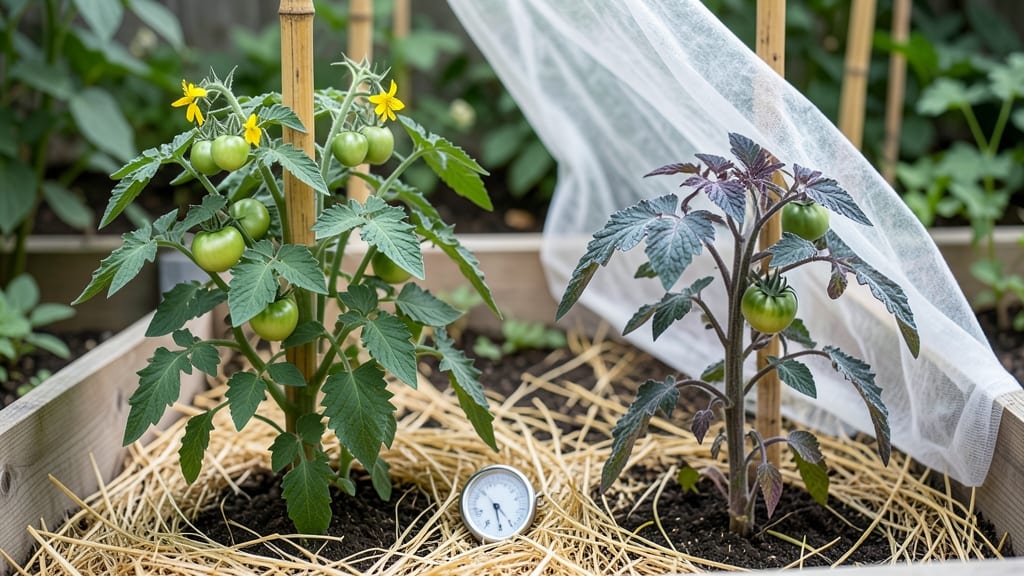
Tomatoes’ cold tolerance doesn’t have to mean the end of your tomato season—some varieties actually thrive when temperatures dip. 🌱 I’ve grown tomatoes through three unexpected frosts using the same tricks that let me extend harvests into late fall, and the secret isn’t just about hardy plants—it’s about timing, protection, and knowing exactly when to push your luck.
The first step is choosing the right varieties: ‘Mountain Merit’ or ‘Cold Set’ tomatoes handle light freezes down to 28°F, while ‘Siberian’ and ‘Stupice’ can bounce back from 23°F with proper care.
Pair them with black plastic mulch or straw to insulate roots, and you’ll delay frost damage by 2-3 weeks. Row covers work like blankets, trapping warmth while letting sunlight through.
Watch for early warning signs: leaves turn yellow or brown at the edges, stems feel mushy, or new growth stalls. At that point, move potted plants to a sheltered spot or wrap them in frost cloth.
With the right prep, you can coax a second harvest from the same plants—imagine fresh tomatoes in October when your neighbors are already done.
This works for both backyard gardeners and container growers. The key is starting with cold-tolerant varieties and acting fast when temperatures drop. Once you master it, you’ll wonder why you ever stopped growing tomatoes in cooler months.
📚 In This Guide
- What you need
- Instructions
- Tips and common mistakes
- Wrapping up and next steps
What you need
- ● Cold-hardy tomato varieties: 3–5 plants of Solanum lycopersicum cultivars like 'Siberian' or 'Stupice' (rated for USDA Zones 3–7).
- ● Organic mulch: 2–3 inches of straw or shredded leaves to insulate soil roots.
- ● Row covers: Frost cloth (rated for 25–30°F) or lightweight fabric to drape over plants.
- ● Cold frames or low tunnels: 1–2 units (DIY or store-bought) to extend the growing season.
- ● Soil thermometer: 1 unit to monitor ground temperatures (ideal: 55–65°F for germination).
- ● Compost or aged manure: 5–10 gallons to enrich soil with nutrients.
- ● Drip irrigation or soaker hoses: 50–100 feet to maintain moisture without freezing.
- ● Pruning shears: 1 pair for trimming dead foliage and shaping plants.
- ● Garden stakes or cages: 4–6 units (5–6 ft tall) to support vining varieties.
- ● Heating mats: For seed starting in early spring (if temps drop below 50°F).
- ● Black plastic mulch: To warm soil faster in cooler climates.
- ● Grow lights: LED or fluorescent for seedling stages in dim winter light.
- ● Plant heaters: Small, safe units (like Hydrofarm models) for extreme cold snaps.
- ● pH test kit: To ensure soil is slightly acidic (6.0–6.8) for optimal nutrient uptake.
How to extend your tomato plants through cold seasons
Cold-hardy tomato varieties and smart techniques let you harvest well past the first frost.
🌱 Step 1: Select Cold-Tolerant Varieties
Not all tomatoes handle chill equally. Look for cold-hardy heirlooms like 'Siberian' or 'Stupice' that survive down to 20°F with proper care. These varieties have thicker stems and waxy leaves that resist freezing damage better than standard types. I always check the USDA cold tolerance ratings—anything labeled Zone 4 or lower is your safest bet.
Start with 4-6 plants of these varieties to test your microclimate. Plant them in early spring and observe how they handle temperature swings. You'll notice cold-hardy types develop a slight blue-green tint in cool weather, which fades when warmth returns. This color shift is normal and doesn't harm the plant.
☀️ Step 2: Use Season Extension Structures
Low tunnels or mini greenhouses create a 10-15°F warmer environment than ambient air. I use 6-foot-long hoop tunnels covered with frost cloth or clear plastic for my coldest months. Set up the structure before temperatures drop below 40°F—once frost hits, the plants won't recover quickly enough.
Secure the cover tightly at the edges to prevent cold air from seeping in. Leave one side open during the day for ventilation, then close it completely at night. You'll see condensation on the inside—this is normal and provides extra moisture during dry winter air. Remove the cover completely when daytime temperatures stay above 50°F.
💧 Step 3: Adjust Watering for Cold Weather
Cold soil drains poorly, so reduce watering by 50% once nighttime temperatures drop below 50°F. Water deeply every 5-7 days instead of daily, focusing on the root zone rather than foliage. I use a soaker hose to deliver moisture directly to the soil without wetting the leaves, which prevents fungal issues.
Check soil moisture by pushing your finger 1-2 inches deep—if it feels dry, water again. Avoid wet leaves at all costs during cold weather, as they're prone to frost damage. Mulch heavily with 4-6 inches of straw to insulate roots and retain moisture. The mulch will look frost-covered in the morning, but the soil beneath stays warmer than bare ground.
✂️ Step 4: Prune and Protect During Freezes
When temperatures dip toward 32°F, prune all fruit still on the vine. Removing ripening tomatoes prevents the plant from diverting energy to fruit that won't survive. Use clean, sharp shears to make cuts just above leaf nodes. I also remove any lower leaves that might touch frost-covered soil—this prevents rot from spreading upward.
Cover plants with frost blankets when overnight lows approach freezing. Secure the blankets with bricks or stakes so wind doesn't tear them away. You'll see frost crystals on the blanket in the morning, but the plants underneath stay protected. Remove covers completely once temperatures rise above 40°F to allow photosynthesis.
⏰ Step 5: Revive Plants After Frost Damage
If frost hits and you see blackened leaves, don't panic. Cut back all damaged foliage to healthy green growth using sterilized pruners. The plant will regrow from the base if the crown remains intact. I've seen Zone 4 tomatoes recover completely after 20°F freezes when pruned properly.
Fertilize lightly with balanced 10-10-10 after pruning to encourage new growth. Keep plants in their protected structures until nighttime temperatures stay above 45°F consistently. You'll notice new shoots emerging from the base within 2-3 weeks—this is your signal that the plant is recovering. Avoid harvesting until all new growth shows full green color.
Tips & tricks for cold-hardy tomato cultivation
These battle-tested strategies will help you push your tomato harvest beyond the first frost without losing your plants.
Variety Selection Wisdom: When choosing cold-hardy varieties like 'Siberian' or 'Stupice', look for plants labeled for Zone 4 or lower—these are specifically bred to handle 20°F temperatures. I've found that plants with thicker stems and waxy leaves recover better from frost damage. The blue-green tint you'll see in cooler weather is completely normal and doesn't indicate stress—it's actually a sign of cold adaptation.
Season Extension Structure Pro Tips: For those 6-foot-long hoop tunnels mentioned in Step 2, I recommend using double-layer frost cloth in your coldest regions—it adds an extra 5°F of protection. The condensation you'll see inside during cold nights is actually beneficial, creating a mini greenhouse effect. Just make sure to remove covers completely when daytime temps hit 50°F to prevent overheating.
Watering Strategy for Cold Soil: The 50% water reduction when temps drop below 50°F is crucial, but timing matters just as much. Water in the late afternoon so the soil has time to absorb moisture before evening temperatures drop. The 1-2 inch soil check method works perfectly—if it feels dry at that depth, your plants need water. For container-grown tomatoes, reduce watering by 75% as they dry out much faster in cold weather.
Frost Damage Recovery Secrets: When pruning back frost-damaged foliage in Step 5, cut just above the first set of healthy leaves—never prune into bare stem. I've seen plants recover completely after 20°F freezes when I followed this method. The 2-3 week recovery window is realistic, but only if nighttime temps stay above 45°F consistently. If you see new shoots with full green color, that's your signal to start harvesting again.
Pro Tips for Tomatoes Cold Tolerance
- These battle-tested strategies will help you push your tomato harvest beyond the first frost without losing your plants.
- Variety Selection Wisdom: When choosing cold-hardy varieties like 'Siberian' or 'Stupice', look for plants labeled for Zone 4 or lower—these are specifically bred to handle 20°F temperatures.
- Season Extension Structure Pro Tips: For those 6-foot-long hoop tunnels mentioned in Step 2, I recommend using double-layer frost cloth in your coldest regions—it adds an extra 5°F of protection.
Frequently asked questions
Can tomatoes survive a light frost?
A light frost (28–32°F) can damage or kill tomato plants, even cold-hardy varieties. If frost is forecasted, cover plants with frost blankets or row covers before temperatures drop. For severe cold (below 28°F), harvest ripe fruit and protect plants indoors or in a greenhouse until spring.
When is the best time to plant cold-tolerant tomatoes?
Start seeds indoors 6–8 weeks before your last frost date, then transplant seedlings outdoors 2–3 weeks after the frost risk has passed. For cooler climates, opt for early-maturing varieties (like ‘Mountain Merit’ or ‘Stupice’) or use seasonal extensions like cold frames or high tunnels.
What are the signs of cold stress in tomatoes?
Watch for yellowing leaves, blackened stems, or stunted growth—these are red flags. Cold stress weakens plants, making them prone to disease. If you spot these symptoms, move plants to a warmer spot, mulch heavily, and avoid watering at night to prevent fungal issues.
Are there tomato varieties that handle cold better than others?
Yes! Heirloom varieties like ‘Cherokee Purple’ or ‘Brandywine’ are cold-sensitive, but ‘Siberian’ or ‘Oregon Spring’ tomatoes thrive in cooler temps. For extreme cold, consider perennial tomatoes (like ‘Tomatillo’ relatives) or grow in containers for mobility.
Can I revive a tomato plant after cold damage?
Prune back damaged foliage with sterilized shears, and fertilize lightly with compost tea to boost recovery. If roots are intact, the plant may regrow. For severe damage, start fresh with new seedlings—but save seeds from surviving plants to preserve cold-resistant traits!
Wrapping up and next steps
Understanding tomatoes’ cold tolerance unlocks the secret to thriving harvests even in chilly seasons! With the right perennial strategies—like selecting cold-hardy varieties, protecting plants, and optimizing soil—you can enjoy fresh tomatoes year-round. Don’t let frost stop your garden dreams!
Ready to put these tips into action? Start small: test a few cold-resistant plants in containers or a greenhouse this fall. Track your progress, tweak techniques, and soon, you’ll be reaping vibrant, cold-tolerant tomatoes no matter the season! 🌱❄️