
Vegetables
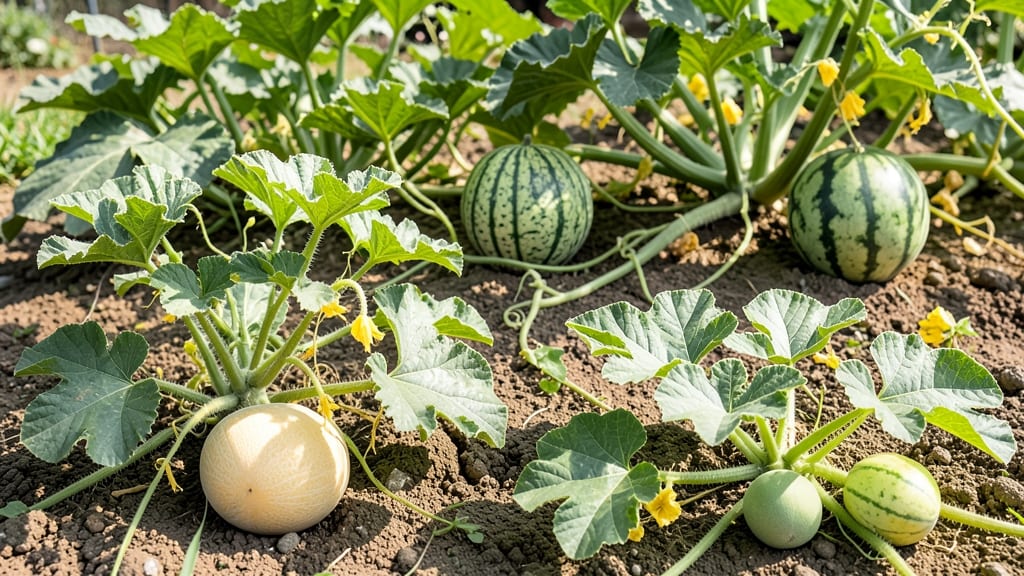
Growing types of melons that taste like summer in every season is easier than you think. 🌱 From sweet cantaloupes to crisp watermelons, these 7 varieties transform your garden into a year-round harvest zone—even if you've only got a small backyard or containers.
The key? Matching each melon's needs to your space and climate, whether that's heat-loving watermelons or cooler-tolerant honeydews.
Cantaloupes and muskmelons (like honeydews) thrive in warm soil but need consistent moisture—think of them as thirsty sun-worshippers. Watermelons, on the other hand, prefer deep roots and plenty of space to sprawl, while smaller varieties like galia melons fit perfectly in containers.
Each type has its own quirks: cantaloupes need hand-pollination, while watermelons reward patience with massive, juicy fruits. The right variety for your zone makes all the difference.
By mid-summer, you'll be harvesting melons that outshine store-bought—sweet, fragrant, and bursting with flavor. Imagine slicing into a watermelon so crisp it makes your neighbors jealous, or biting into a cantaloupe so ripe it practically melts in your mouth.
These varieties aren’t just plants; they’re the stars of your garden’s story. Ready to pick your favorites?
Whether you're a backyard gardener or a container enthusiast, these melons adapt beautifully to your setup. Start with one variety this season, then expand your collection as you master the art of growing them. The best part? Every slice is a victory lap for your green thumb.
📚 In This Guide
- What you need
- Instructions
- Tips and common mistakes
- Wrapping up and next steps
What you need
- ● Seeds or seedlings: Choose 7–10 seeds or 3–5 seedlings per variety (e.g., Cantaloupe, Honeydew, Watermelon, Galia, Casaba, Canary, or Santa Claus). Opt for heirloom or disease-resistant varieties for better yields.
- ● Growing space: Outdoor garden: 6–10 ft rows with 3–6 ft spacing between plants (varies by type). Melons need full sun (6–8+ hours/day) and well-draining soil.
- ● Containers: 5–7 gallon pots (1 plant per container) for patio growing. Use fabric pots for better drainage.
- ● Soil: Loamy, fertile soil with a pH of 6.0–6.8. Amend with 2–3 inches of compost or aged manure before planting.
- ● Fertilizer: Balanced fertilizer (10-10-10): 1 tbsp per plant at planting.
- ● Organic options: Fish emulsion (2 tbsp per gallon of water) or worm castings (1 cup per plant) every 3–4 weeks.
- ● Watering supplies: Drip irrigation or soaker hoses (melons need 1–2 inches of water weekly; avoid wetting leaves to prevent disease).
- ○ Support structures (optional but helpful): Sturdy trellis or cages for vining types (e.g., Honeydew, Watermelon).
- ● Plastic or straw mulch to retain moisture and suppress weeds.
- ● Row covers: Lightweight fabric to protect seedlings from pests or frost (remove once flowers appear).
- ● Pruning shears: For trimming excess vines or dead leaves.
- ● pH test kit: To monitor soil acidity and adjust with lime (to raise pH) or sulfur (to lower it).
- ● Bees or bee-friendly plants: Melons rely on pollinators! Plant basil, marigolds, or sunflowers nearby to attract them.
- ● Harvest tools: Sharp knife or pruners for clean cuts when melons are ripe.
Step-by-step guide to growing 7 year-round melon varieties
Here's how to cultivate seven distinct melons—each with unique growing needs and harvest windows.
🌱 Step 1: Select Varieties Based on Your Climate and Season
Start by choosing melons that thrive in your region. Watermelons (like Sugar Baby) need 75-90 days and full sun, while Cantaloupes (such as Ambrosia) mature in 60-75 days and prefer warm soil. For cooler climates, Honeydew melons (like Golden Midget) tolerate 55-85°F and ripen in 80-90 days. Winter varieties like Winter Melons (Ash Gourd) thrive in 60-80°F and take 120-150 days—ideal for fall planting.
I always cross-reference seed packets with my local frost dates. For example, Musk melons (like Charentais) love 80-90°F and need 90 days, so I plant them after the last frost in spring. If you're in a short-season area, opt for mini melons like Mini Melons or Sugar Snap Peas (yes, they're technically melons!) that mature in 45-60 days.
☀️ Step 2: Prepare Soil and Planting Conditions for Each Type
Melons demand well-draining, fertile soil with a pH of 6.0-6.8. Work in 2-3 inches of compost or aged manure before planting. Watermelons need 6-8 inches of soil depth, while Cantaloupes prefer looser, sandier soil to prevent rot. For Honeydews, amend with perlite to improve aeration—they hate soggy roots.
Plant seeds ½ inch deep after soil reaches 70°F (use a soil thermometer). I like to pre-sprout seeds in peanut butter jars (moisten paper towels, wrap seeds, and wait 2-3 days for roots to appear) to jumpstart growth. Winter melons and Musk melons can handle slightly cooler starts (65°F), but they still need warmth to thrive.
💧 Step 3: Water and Fertilize for Optimal Fruit Development
Melons need 1-2 inches of water weekly, but never wet the leaves—this invites fungal diseases like powdery mildew. Watermelons and Cantaloupes love deep, infrequent watering, while Honeydews prefer consistent moisture. Use drip irrigation or soaker hoses to keep foliage dry. Watch for yellowing leaves—this signals overwatering or poor drainage.
Fertilize lightly at planting (5-10-10) and again when vines start running (0-10-10). Too much nitrogen = lush leaves, no fruit. I switch to low-nitrogen, high-potassium (like 2-5-3) once flowers appear. Musk melons and Winter melons benefit from compost tea mid-season for extra sweetness.
✂️ Step 4: Prune and Train Vines for Maximum Yield
Most melons are vining types, so give them space—watermelons need 10-12 feet, Cantaloupes 3-5 feet, and Honeydews 6-8 feet. Pinch off side shoots on watermelons to encourage one main vine per plant (this boosts fruit size). For Cantaloupes, let 3-4 vines grow per plant—they produce better with multiple runners.
Remove male flowers (smaller, no ovary) to redirect energy to female flowers (with tiny melon bulges at the base). Winter melons and Musk melons need minimal pruning—just trim dead leaves to improve airflow. If vines sprawl, use trellises (especially for mini melons) to save space and reduce disease risk.
🍉 Step 5: Harvest at Peak Ripeness for Best Flavor
Watermelons are ready when the underbelly turns cream-colored and the tendril near the stem dries. Cantaloupes slip easily from the vine and have a fragrant blossom end. Honeydews develop a creamy rind and sweet aroma when ripe. Musk melons soften slightly and smell intensely floral. Winter melons mature in 4-6 months—harvest when the rind is hard and woody.
Cut stems with pruners (never twist) to avoid damaging vines. Store watermelons at 50-55°F and Cantaloupes/Honeydews at 45-50°F for 1-2 weeks. Musk melons last 3-5 days at room temp—eat them fresh! For year-round harvests, succession-plant mini melons every 2 weeks in warm climates.
Tips & tricks for perfect melon cultivation
Took me years to master these tricks after losing entire crops to common mistakes—here's how to avoid them.
Soil Preparation Secret: Test your soil pH before planting—melons thrive between 6.0-6.8, but many garden soils run acidic. I use a simple pH test kit from the garden center and amend with lime if needed. For Honeydews specifically, mix in perlite at planting time to create that perfect airy soil they crave.
Heat Management: Soil temperature matters more than air temperature for melons. Use a soil thermometer to confirm your soil has reached 70°F before planting—cold soil delays germination. For Winter melons, which tolerate slightly cooler starts, aim for 65°F to prevent rot. I've learned this the hard way after watching seeds rot in cool, damp soil.
Watering Wisdom: The 1-2 inches weekly guideline works, but timing is everything. Water deeply in the morning so foliage dries before evening. For Cantaloupes, I use soaker hoses placed at the base of plants to avoid wetting leaves—this prevents powdery mildew that can ruin entire crops. Watch for yellowing leaves as your first warning sign of overwatering.
Pruning Strategy: When training watermelon vines, pinch off side shoots to encourage one main vine—this focuses energy on producing fewer but larger fruits. For Cantaloupes, let 3-4 vines grow per plant as they produce better yields with multiple runners. I've found that removing male flowers redirects energy to female flowers, resulting in more fruit development. Use pruners for clean cuts to prevent disease entry points.
Pro Tips for Types Of Melons
- Took me years to master these tricks after losing entire crops to common mistakes—here's how to avoid them.
- Soil Preparation Secret: Test your soil pH before planting—melons thrive between 6.0-6.8, but many garden soils run acidic.
- Heat Management: Soil temperature matters more than air temperature for melons.
Frequently asked questions
Got questions about growing and enjoying melons? You’re not alone! Here are some of the most common queries—plus quick, practical answers to help you cultivate (and savor) the perfect melon harvest.
How do I know when a melon is fully ripe?
Ripeness varies by type, but here’s a foolproof guide: Gently tap the melon—if it sounds hollow, it’s ready! For cantaloupes, check the stem (it should slip off easily). Watermelons have a creamy yellow spot where they rested on the ground. For honeydews, sniff the blossom end—it should smell sweet and fragrant.
How long does it take for melons to grow from seed?
Most melon varieties take 70–100 days to mature after planting, depending on the type. Cantaloupes and honeydews are on the faster end (~80 days), while some heirloom watermelons may take closer to 90–100 days. Start seeds indoors 4–6 weeks before your last frost date for a head start!
Can I grow melons in containers? What size pot do I need?
Smaller varieties like Sugar Baby watermelons or Minnesota Midget cantaloupes thrive in containers. Aim for a pot at least 12–15 inches deep with drainage holes. Larger varieties (like muskmelons) need 20+ gallons of space. Use lightweight potting mix and fertilize regularly—containers dry out faster!
Why aren’t my melons growing? Troubleshooting common issues.
Here’s a quick checklist:
No fruit? Pollination issues (hand-pollinate with a paintbrush if bees are scarce).
Small or deformed melons? Overcrowding, poor soil, or inconsistent watering.
Yellow leaves? Overwatering (melons hate soggy roots) or nutrient deficiency (add compost!).
Powdery mildew? Improve airflow and spray with neem oil.
Most problems fix with adjustments to sunlight (6–8 hours daily), water (1–2 inches/week), and soil (well-draining, rich in organic matter).
What’s the best way to store harvested melons?
Store whole melons in a cool (50–55°F), dry place away from direct sunlight. Never refrigerate until cut—cold speeds up spoilage. Once sliced, wrap portions in plastic and refrigerate for 3–5 days. For longer storage, freeze melon flesh (great for smoothies!) or pickle rinds.
Are there any melon varieties that thrive in cold climates?
Yes! Try these cold-tolerant picks:
- ‘Sugar Bush’ watermelon (matures in 75 days, handles cooler temps).
- ‘Ambrosia’ cantaloupe (resistant to powdery mildew, thrives in shorter seasons).
- ‘Honey Brew’ muskmelon (early producer, great for Zone 4+).
Extend your season with row covers or plant in black plastic mulch to warm the soil faster.
Wrapping up and next steps
From the sweet Honeydew to the refreshing Watermelon and the exotic Cantaloupe, there’s a melon variety perfect for every season and taste! Whether you’re a beginner gardener or a seasoned pro, these 7 types of melons offer year-round harvest potential with the right care. 🌱
Now that you’re armed with growing tips and answers to common questions, why not pick one variety and start planting? Grab your seeds, prep your soil, and enjoy the rewards of a homegrown harvest—your taste buds (and dinner table) will thank you! 🍉✨