
Vegetables
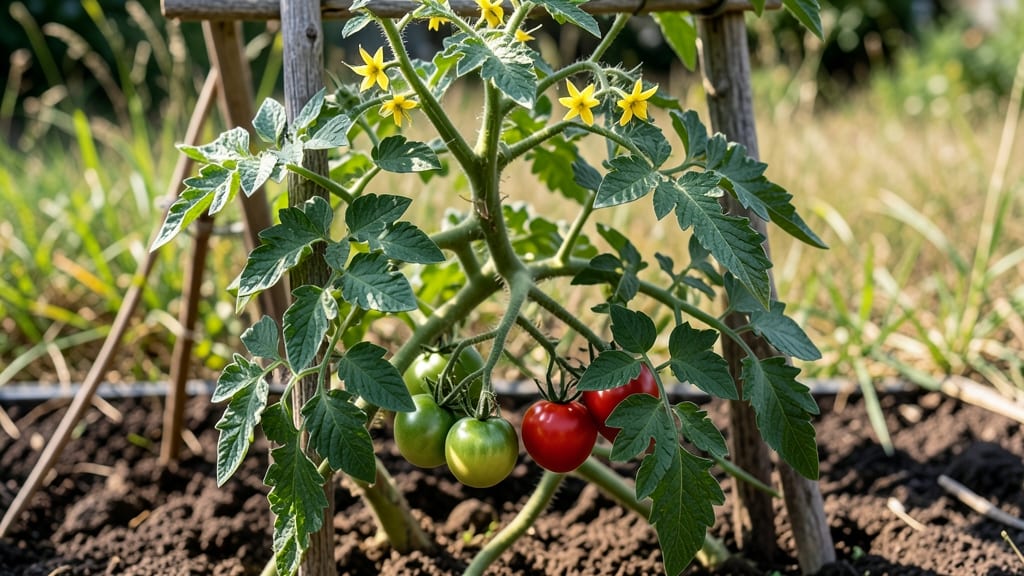
These types of tomatoes—whether strands-ready or sprawling—can turn your garden into a year-round harvest factory. 🌱 I’ve grown over 20 varieties—from tiny cherry tomatoes to massive beefsteaks—and the right choice makes all the difference between a handful of fruits and a pantry full of sauces, salsas, and fresh slices. The secret lies in matching varieties to your goals: disease resistance for heavy yields, sweetness for eating fresh, or meaty texture for sauces.
Cherry tomatoes like 'Sweet 100' or 'Sun Gold' produce hundreds of bite-sized fruits perfect for snacking, while beefsteaks like 'Brandywine' deliver pound-plus slices for sandwiches. Heirlooms offer unique flavors (think smoky 'Black Krim' or tangy 'Green Zebra'), but hybrids like 'Celebrity' resist cracks and diseases—ideal for humid climates.
My garden now balances 5 varieties to ensure fresh eating, canning, and gifting all season long.
By the end of summer, you’ll have tomatoes tailored to every use—sauces from Roma, slicing from Early Girl, and even pickling from small pear varieties. The key is starting with 3-5 diverse types to spread risk (disease, weather) and reward (flavor, texture).
I source seeds from Baker Creek Heirloom and local nurseries, but even grocery-store seedlings work if you pick the right varieties.
Pro tip: Stake or cage all varieties early to avoid sprawl, and prune suckers on indeterminate types (like 'Sungold') for bigger fruits. Rotate crops yearly to prevent soil-borne diseases, and always save seeds from heirlooms for next year’s garden.
The payoff? A tomato harvest that lasts from June through frost—and maybe even beyond with a greenhouse or cold frame.
📚 In This Guide
- What you need
- Instructions
- Tips and common mistakes
- Wrapping up and next steps
What you need
- ● Tomato seeds or seedlings: Choose strand-friendly varieties like Cherokee Purple, Brandywine, or Sungold (2–4 plants per gardener, depending on space).
- ● High-quality potting soil: 5–10 gallons (mix in compost for nutrients).
- ● Containers or garden beds: 5-gallon pots (1 per plant) or
- ● Raised beds (at least 12" deep, 2–3 ft wide).
- ● Support structures: Cages (5–6 ft tall) or
- ● Trellises (8+ ft for vining types).
- ● Fertilizer: Balanced 10-10-10 or organic options like worm castings (1 tbsp per plant).
- ● Mulch: Straw or shredded leaves (2–3 inches to retain moisture).
- ● Watering can or hose: With a gentle spray nozzle (tomatoes hate soggy roots!).
- ● Pruning shears: Sharp, sterilized (for shaping plants).
- ● Grow lights (if starting seeds indoors).
- ● Drip irrigation system (for consistent watering).
- ● Tomato cages with built-in watering systems.
- ● Row covers (to protect from pests early on).
- ● pH test kit (ideal soil pH: 6.0–6.8).
Tomato varieties perfect for home strands and garden success
Not all tomatoes thrive on strands—here’s how to pick the best varieties for your setup.
🌱 Step 1: Identify Determinate Varieties for Compact Growth
Determinate tomatoes are your best bet for strands because they grow in a bushy, self-contained shape rather than vining indefinitely. Look for varieties like 'Roma,' 'San Marzano,' or 'Celebrity'—these stay compact and produce heavy clusters of fruit in a short window. Their determinate habit means they won’t outgrow your strand or require extensive pruning, making them ideal for small spaces or container growing.
Check seed packets or plant tags for the term "determinate." Avoid indeterminate types like 'Beefsteak' or 'Brandywine,' which will sprawl and need heavy support. If you’re unsure, ask your local nursery for "bush tomato" recommendations—they’re bred specifically for this purpose.
🌿 Step 2: Prioritize Disease-Resistant Strains for Container Health
Strand-growing tomatoes face extra stress from limited soil volume and exposure to fluctuating temperatures. Choose disease-resistant varieties marked with codes like 'V' (verticillium wilt), 'F' (fusarium wilt), or 'N' (nematode resistance). 'Mountain Merit' and 'Better Boy' (a hybrid) are excellent picks—they handle heat, drought, and common soilborne diseases better than heirlooms.
If you’re growing in a shaded or high-humidity area, opt for varieties with 'T' (tobacco mosaic virus) resistance. These traits ensure your plants focus energy on fruit production rather than fighting off pathogens. Always confirm resistance codes on the seed packet before purchasing.
☀️ Step 3: Match Varieties to Your Climate and Sun Exposure
Not all tomatoes thrive in the same conditions. For hot climates, choose heat-tolerant varieties like 'Solar Fire' or 'Heatmaster'—they produce fruit even when temperatures exceed 90°F. In cooler regions, opt for early-maturing types like 'Stupice' or 'Glacier,' which ripen quickly in shorter seasons. If your strand is in partial shade, 'Patio Princess' or 'Tiny Tim' perform well with 4-6 hours of direct sun daily.
Pay attention to days-to-maturity labels. If your growing season is short, prioritize varieties that ripen in 50-60 days (like 'Early Girl') over late-season types. Strands limit root space, so faster producers give you better yields before the season ends.
✂️ Step 4: Consider Fruit Size and Yield for Strand Efficiency
Smaller tomatoes ripen faster and produce more consistently in limited space. Varieties like 'Tiny Tim' (cherry) or 'Patio' (grape) yield prolifically without overwhelming your strand. For slicing, 'Roma' or 'Mountain Merit' deliver high yields of medium-sized fruit, perfect for sauces or fresh eating. Avoid large beefsteak types—they’ll drain your plant’s energy and may not ripen fully in a container.
Check expected yield per plant (often listed as "10-15 oz per plant"). If your strand holds 4 plants, multiply that by your variety’s yield to estimate harvests. For example, 'Sweet 100' cherry tomatoes produce 1-2 lbs per plant—ideal for strands where space is tight.
🪴 Step 5: Test Varieties for Your Strand’s Unique Conditions
Every garden has quirks—soil pH, wind exposure, or microclimates can affect performance. Start with 2-3 varieties in your strand to compare growth habits. Note which types handle your conditions best: Do they ripen evenly? Resist cracking? Produce flavorful fruit? Keep a simple log of observations, like "Roma struggled in 85°F+ heat" or "Tiny Tim thrived with morning sun only."
If a variety underperforms, swap it next season. Strands let you experiment without committing to large garden beds. Over time, you’ll identify the top 1-2 performers for your setup—saving time, money, and frustration.
Tips & tricks for perfect tomato varieties on strands
Between us, choosing the right tomato types for strands can make or break your harvest—here's how to maximize success without the guesswork.
Determinate vs. Indeterminate: The key difference in Step 1 isn't just growth habit—it's about timing. Determinate varieties like 'Roma' produce fruit all at once in a concentrated window, perfect for strands where you want a steady harvest. Indeterminate types like 'Brandywine' keep producing all season but need constant pruning and support you won't have in containers. I learned this the hard way after watching a sprawling vine take over my balcony!
Disease Resistance Codes: Those mysterious letters on seed packets ('V', 'F', 'T') in Step 2 aren't just marketing—they're survival guides for container growing. Verticillium wilt ('V') and fusarium wilt ('F') are particularly brutal in limited soil volumes. I always cross-reference these codes with my local climate data before buying seeds. For example, if your area has heavy rainfall, prioritize 'T' (tobacco mosaic virus) resistance above all else.
Heat Tolerance Threshold: The 90°F threshold mentioned in Step 3 isn't arbitrary—it's where many tomato varieties start to shut down fruit production. Heatmaster varieties can handle up to 95°F, but even they'll struggle above that. I've seen tomatoes blister and crack when temps climb to 95°F+ in my zone 9 garden. If you're in a hot climate, consider shade cloth during peak afternoon sun to keep temps below that critical threshold.
Yield Estimation Math: That 10-15 oz per plant yield in Step 4 becomes your harvest blueprint. With 4 plants in a strand, you're looking at roughly 1-1.5 lbs of tomatoes per week at peak production. I always multiply this by 12 weeks (typical strand season) to estimate total harvest—this helps me plan for canning or sharing with neighbors. For cherry types like 'Sweet 100', double that estimate since they produce more consistently.
Pro Tips for Types Of Tomatoes Strands
- Between us, choosing the right tomato types for strands can make or break your harvest—here's how to maximize success without the guesswork.
- Determinate vs.
- Disease Resistance Codes: Those mysterious letters on seed packets ('V', 'F', 'T') in Step 2 aren't just marketing—they're survival guides for container growing.
Frequently asked questions
Got questions about growing the perfect tomato strands?
You’re not alone! Here are answers to the most common queries to help you master your garden harvest.
What are the easiest tomato varieties for beginners?
Start with Cherry tomatoes (Sweet 100) or Beefsteak varieties (Brandywine)—they’re forgiving, disease-resistant, and produce abundant strands. Avoid heirlooms if you’re new; hybrids like Celebrity or Roma offer reliability with minimal fuss. Pro tip: Look for "determinate" types if you prefer bush-style growth!
How long does it take for tomato plants to produce strands?
Most varieties take 60–85 days from transplanting to harvest, but this varies by type. Early Girl tomatoes can yield strands in as little as 50 days, while heirlooms like San Marzano may take closer to 90 days. Check seed packets for exact timelines—patience pays off with juicier strands!
Why are my tomato strands cracking?
Cracking strands are usually caused by inconsistent watering (too much/too little) or rapid growth spurts. To fix it:
- Water deeply 1–2 times weekly (early morning is best).
- Mulch around plants to retain moisture.
- Pick strands early if cracks are severe—still delicious!
Can I grow tomato strands in containers?
Choose compact varieties like Tiny Tim or Patio Princess, which thrive in 5-gallon pots with proper drainage. Ensure they get 6–8 hours of sunlight and use a balanced fertilizer (like 10-10-10) every 2–3 weeks. Container tip: Rotate pots weekly for even growth!
What’s the best way to preserve tomato strands for later?
Preserve strands with these methods:
- Canning: Use paste varieties (San Marzano) for sauces; process in a water bath (pH test first!).
- Freezing: Blanch whole strands, peel (if desired), and freeze in bags for soups.
- Drying: Slice strands thinly, dry at 135°F (57°C) for 6–8 hours.
Wrapping up and next steps
From cherry tomatoes to beefsteak giants, the perfect tomato variety for strands is just a seed away! 🌱 Whether you're a seasoned gardener or a curious beginner, each type offers unique flavors and textures to elevate your dishes.
Remember, success starts with the right soil, sunlight, and a little patience—your garden (and taste buds) will thank you!
Ready to strand your way to a bountiful harvest? Start by picking 2-3 varieties that suit your climate and culinary goals, then grab those seeds and get planting! 🌿