
Vegetables
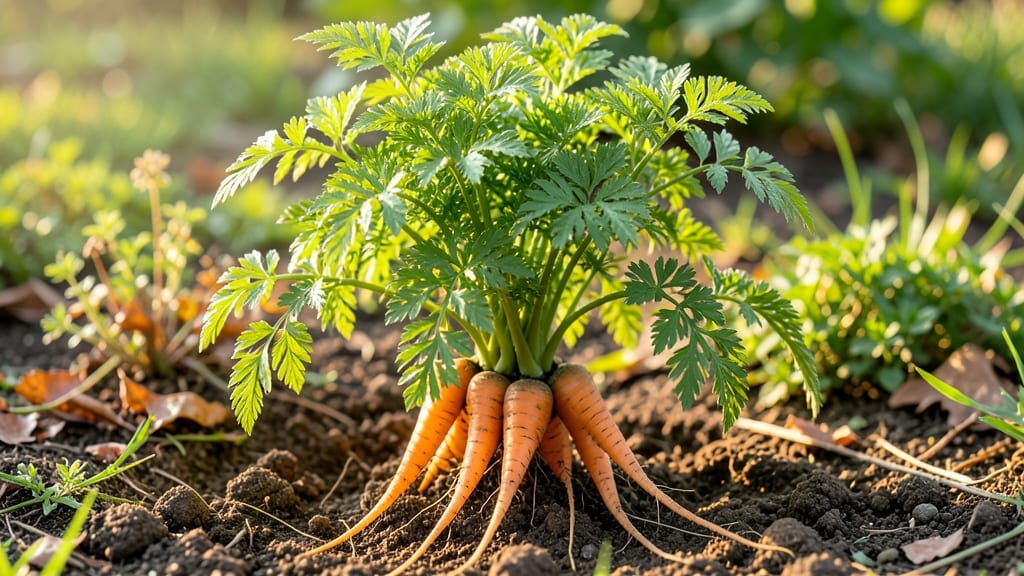
Growing vegetables in the ground means digging into a harvest that lasts longer than any container garden. 🌱 I’ve learned the hard way that the right perennials—like asparagus, rhubarb, and cold-hardy kale—keep producing through frost, drought, and even light foot traffic.
These plants don’t just survive; they thrive, year after year, with minimal fuss once established. The secret starts with soil: loosen it 12 inches deep, mix in compost, and avoid tilling when wet.
Spacing matters too—give root crops like carrots 3 inches apart while leafy greens like spinach can crowd 6 inches. Varieties like ‘Winterbor’ kale or ‘Mammoth Melting’ asparagus reward patience with harvests from spring to fall.
By late summer, you’ll be pulling tender greens straight from the earth, their flavors deeper than anything store-bought. The best part? These perennials multiply over time, turning your garden into a self-sustaining food source. Even my black thumb can’t kill these.
Works in any backyard, from small urban plots to half-acre homesteads. Here’s how to get started without the guesswork.
📚 In This Guide
- What you need
- Instructions
- Tips and common mistakes
- Wrapping up and next steps
What you need
- ● Seeds or young plants: Asparagus crowns (10–20 per 100 sq ft)
- ● Jerusalem artichoke tubers (5–10 per 100 sq ft)
- ● Rhubarb crowns (3–5 per 100 sq ft)
- ○ Sunchoke (Jerusalem artichoke) or skirret seeds (optional, for variety)
- ● Soil prep: Compost (2–3 inches mixed into top 12 inches of soil)
- ● Well-draining loam or sandy loam soil (pH 6.0–7.5)
- ● Organic matter (leaf mold or aged manure for fertility)
- ● Tools: Garden fork or tiller (for breaking up compacted soil)
- ● Garden gloves (heavy-duty for root handling)
- ● Measuring tape or string (for marking planting rows)
- ● Watering can or hose with a gentle spray nozzle
- ● Mulch (straw or shredded leaves, 2–3 inches thick to insulate roots in winter)
- ● Row covers or cold frames (for extending early/late seasons)
- ● Soil test kit (to check nutrient levels before planting)
- ● Drip irrigation system (for consistent moisture in dry spells)
- ● Plant labels (to track varieties and harvest times)
How to establish cold-resilient perennial vegetables in your garden
Here's my battle-tested approach to growing hardy vegetables that come back year after year without fuss.
🌱 Step 1: Select and Prepare the Planting Site
Choose a location with 6+ hours of sunlight daily and well-draining soil—these perennials hate soggy roots. I test drainage by digging a 12-inch deep hole, filling it with water, and timing how long it takes to drain. If it holds water past 6 hours, amend with 2-3 inches of compost to improve structure.
Perennials like asparagus and rhubarb thrive in slightly alkaline soil (pH 6.5-7.5). Grab a soil test kit from your local garden center—it's the only way to know for sure. If your soil tests acidic, sprinkle lime according to package instructions before planting. I always mark the planting area with stakes to avoid disturbing roots later.
🌿 Step 2: Plant at the Right Time and Depth
For most cold-hardy perennials, early spring (when soil reaches 45°F) is ideal—cooler roots establish better than in summer heat. Plant crowns (where roots meet stems) 1-2 inches below soil level—burying too deep suffocates the plant, while too shallow exposes it to frost heave.
Space plants according to their mature size: asparagus crowns 18 inches apart, rhubarb crowns 3 feet apart. I dig trenches for asparagus, placing crowns horizontally with roots spread out—this encourages faster root establishment. Water deeply after planting to eliminate air pockets around roots.
⏰ Step 3: Mulch and Protect Through First Winter
Spread 4-6 inches of organic mulch (straw or shredded leaves) immediately after planting to retain moisture and regulate soil temperature. In your first winter, add extra mulch (6-8 inches) before hard freezes—this protects tender new roots from freeze-thaw cycles that can crack soil and damage plants.
I always check mulch thickness in early spring—if it's broken down to less than 3 inches, I replenish it. This layer also suppresses weeds, which compete aggressively with perennials for nutrients. Avoid synthetic mulches; they don't break down and can smother roots over time.
☀️ Step 4: Fertilize and Maintain Through Growing Seasons
Perennial vegetables are light feeders, but they need balanced nutrients every 4-6 weeks during active growth. I use a 10-10-10 fertilizer at half-strength to avoid burning roots. Water thoroughly before applying to ensure even distribution—fertilizer stuck to dry soil won't dissolve properly.
Watch for yellowing leaves—this usually means nitrogen deficiency. For asparagus specifically, reduce fertilizer after the third year to encourage crown development. In late summer, cut back dead foliage but leave 3-4 inches of stems to protect the crown during winter.
✂️ Step 5: Harvest Strategically for Long-Term Productivity
Never harvest more than one-third of the foliage in a single season—this ensures the plant stores enough energy to regrow next year. For asparagus, harvest spears when they're 8-12 inches tall and still tight; once fronds unfurl, stop cutting to let the plant replenish.
Rhubarb can be harvested starting 2 years after planting, but I wait until spring when stalks are 10+ inches tall. Cut stalks at the base with clean shears—never pull them, which damages the crown. After harvest, water deeply and add compost to replenish nutrients the plant used to produce those stalks.
Tips & tricks for perfect cold-resilient perennial vegetables
These battle-tested insights will help you avoid common pitfalls and maximize your perennial vegetables' long-term success.
Soil Testing is Non-Negotiable: Don't skip the soil test—even if your garden looks perfect. I've seen "ideal" soil test acidic, which would stunt growth. Test for pH in fall (3-4 months before planting) so you have time to amend with lime if needed. The 6.5-7.5 range is critical for asparagus and rhubarb—outside this, nutrient uptake suffers.
Planting Depth Matters More Than You Think: The 1-2 inches below soil level guideline isn't just arbitrary—it's about protecting the crown from frost heave while allowing roots to spread. For asparagus, I make small trenches and place crowns horizontally with roots fanning out; this gives roots more room to establish in the first critical year. Too deep? The plant suffocates. Too shallow? It's vulnerable to winter freeze-thaw cycles.
Mulch Like a Pro: That 4-6 inches of organic mulch isn't just for looks—it's your plant's winter blanket. In your first year, double it to 6-8 inches before hard freezes. I use straw because it breaks down slowly and insulates better than leaves. Pro tip: Check mulch thickness in early spring—if it's broken down to 3 inches or less, add more immediately. This prevents soil temperature swings that stress young roots.
Fertilizer Timing is Everything: The 4-6 week feeding schedule keeps perennials happy without overloading them. But here's what nobody tells you: water thoroughly before applying fertilizer—dry soil creates hot spots that burn roots. And for asparagus, after year three, cut back to every 8-10 weeks. The plant needs to focus on crown development, not just foliage.
Pro Tips for Vegetables Grown In The Ground
- These battle-tested insights will help you avoid common pitfalls and maximize your perennial vegetables' long-term success.
- Soil Testing is Non-Negotiable: Don't skip the soil test—even if your garden looks perfect.
- Planting Depth Matters More Than You Think: The 1-2 inches below soil level guideline isn't just arbitrary—it's about protecting the crown from frost heave while allowing roots to spread.
Frequently asked questions
Got questions about growing cold-resilient vegetables in the ground? You’re not alone!
Here are answers to the most common queries—from timing to troubleshooting—so you can confidently cultivate a thriving, year-round harvest.
Which vegetables can I grow in cold climates without killing them?
Cold-hardy perennials like kale, Swiss chard, asparagus, rhubarb, and salsify thrive in frost. Biennials such as carrots and beets also survive mild winters if mulched properly. For true perennials, focus on roots and leafy greens—they’re the toughest!
When is the best time to plant these vegetables for a winter harvest?
Plant cool-season crops 4–6 weeks before your first frost for a fall harvest, or early spring (as soon as soil is workable) for winter survival. Perennials like asparagus need 2–3 years to establish before heavy harvesting. Always check your USDA hardiness zone for precise timing!
Can I grow these vegetables in containers instead of in the ground?
Many cold-hardy veggies (like kale, spinach, or radishes) thrive in deep containers (12"+) with well-draining soil. Just ensure pots have drainage holes and use insulated grow bags or mulch to protect roots in freezing temps. Perennials like rhubarb may need larger containers (20"+) for long-term growth.
How do I protect my ground-grown vegetables from pests in cold weather?
Cold weather slows pests, but slugs, cabbage worms, and rodents can still strike. Use row covers, diatomaceous earth, or copper tape for slugs. For rodents, wrap young plants in wire mesh or use peppermint oil sprays. Healthy soil and crop rotation also deter pests naturally.
Will my vegetables survive a hard freeze, or should I harvest them first?
Most leafy greens (kale, spinach) sweeten after frost and can survive light freezes (25–30°F). However, hard freezes (<20°F) will kill tender crops—harvest before temps drop! For perennials, mulch heavily (straw, leaves) to insulate roots. If stems crack, trim damaged parts post-thaw.
Pro Tip: Test your soil’s pH (ideal: 6.0–7.0) and amend with compost before planting. Cold-resistant veggies need consistent moisture—mulch retains water and regulates soil temp!
Wrapping up and next steps
Growing vegetables grown in the ground like cold-resilient perennials is a game-changer for year-round harvests—no green thumb required! 🌱 From hardy kale to resilient asparagus, these plants prove that fresh, homegrown produce can thrive even in chilly climates.
Whether you’re a seasoned gardener or just starting, these tips and FAQs make it easier than ever to cultivate a low-maintenance, high-reward garden.
Ready to dive in? Start small—pick one or two perennials to test your soil and space, then expand as you gain confidence. Your future self (and your taste buds!) will thank you. Happy planting! 🌿