
Vegetables
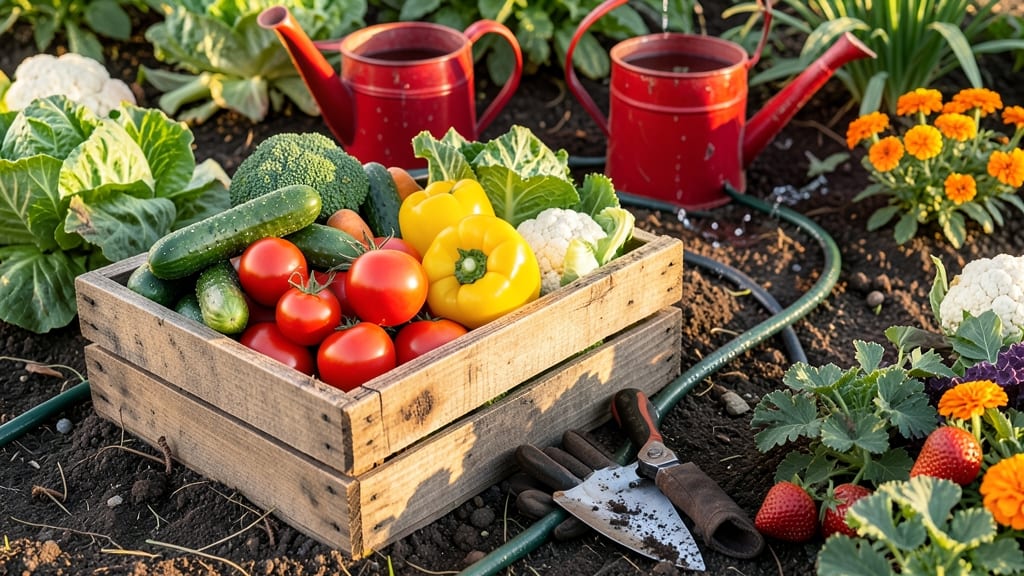
California’s year-round growing season means you can harvest fresh vegetables every month—if you know what to plant when. 🌱 From crisp coastal lettuces in winter to sun-ripened tomatoes in summer, the state’s climate zones (coastal, inland, desert) create endless possibilities for gardeners.
The key? Matching crops to your microclimate and timing plantings for peak flavor and yield.
Spring kicks off with artichokes, asparagus, and peas in cooler regions, while summer brings okra, sweet potatoes, and eggplants thriving in inland heat. Fall delivers kale, carrots, and broccoli that taste sweeter after frost, and winter surprises with cabbage, Brussels sprouts, and leeks in coastal areas.
Each season also has its own planting rhythm—some crops like tomatoes and peppers need warm soil, while spinach and radishes bolt in summer’s intensity.
You’ll end up with a continuous harvest that beats store-bought produce in both taste and nutrition. Imagine snipping fresh basil for summer salads, roasting heirloom carrots in fall, or sipping microgreens in winter—all from your own backyard.
The best part? California’s mild winters mean even cool-season crops like Brussels sprouts and kale stay productive longer than in colder climates.
Whether you’re in San Francisco’s foggy coast or Los Angeles’ Mediterranean valleys, this guide breaks down what to plant, when to start seeds, and how to stretch each season’s bounty. Let’s turn your garden into a year-round vegetable factory—no greenhouses required.
📚 In This Guide
- What you need
- Instructions
- Tips and common mistakes
- Wrapping up and next steps
What you need
- ● Seasonal Seed & Plant Guide: Printed or digital California-specific planting calendar (e.g., UC Master Gardener’s seasonal charts)
- ● Seed packets for in-season veggies (e.g., artichokes in spring, tomatoes year-round, Brussels sprouts in fall)
- ● Garden Tools: Trowel (for transplanting seedlings)
- ● Pruners (for harvesting green beans, peas, or trellised crops)
- ● Garden fork (for loosening soil in raised beds)
- ● Watering can or drip irrigation kit (California’s drought-friendly!
- ● Soil & Amendments: Compost (2–3 inches mixed into soil before planting)
- ● Organic fertilizer (e.g., fish emulsion or worm castings for nitrogen-loving crops like lettuce)
- ● Mulch (straw or wood chips to retain moisture)
- ● Row covers or frost cloth (for early spring/fall crops like peas or spinach)
- ● Trellis or stakes (for vining crops like cucumbers or pole beans)
- ● pH test kit (to adjust soil for acid-loving veggies like strawberries)
- ● Harvest basket or mesh bags (to keep produce fresh post-pick)
- ● Journal or app (to track planting dates, harvest times, and soil notes)
Instructions for planning a year-round California vegetable garden
California’s climate lets you grow fresh vegetables nearly every month—here’s how to maximize your harvests.
🌱 Step 1: Map Your Planting Zones by Season
California’s diverse microclimates mean coastal areas can grow warm-season crops like tomatoes and peppers year-round, while inland regions need to time plantings carefully. Divide your garden into four seasonal zones—spring, summer, fall, and winter—and research which vegetables thrive in each. For example, cool-season crops like lettuce and broccoli grow best in fall and winter, while warm-season crops like zucchini and eggplant prefer spring and summer. Use a planting calendar tailored to your specific region (check the University of California’s Master Gardener program for local guides).
I always start by sketching my garden layout on graph paper, labeling each section with its ideal planting window. This prevents overcrowding and ensures you’re not planting heat-lovers when temperatures dip. For instance, spring-planted carrots in coastal areas might bolt by summer, but fall-planted carrots stay sweet through winter. Pay attention to first and last frost dates—even in California, some inland valleys experience light frosts that can damage tender greens.
☀️ Step 2: Adjust Watering and Soil Prep for Each Season
California’s Mediterranean climate means dry summers and wet winters, so your watering and soil strategies must shift. In summer, mulch heavily with 2-3 inches of straw or wood chips to retain moisture and keep roots cool. For winter plantings, amend the soil with compost and aged manure to improve drainage—California’s winter rains can turn clay soil into a muddy mess. I test soil moisture by squeezing a handful; if it crumbles easily, it’s time to water. In summer, wait until the top 2 inches feel dry before irrigating deeply.
Don’t forget to adjust fertilization schedules—warm-season crops like peppers need balanced 10-10-10 fertilizer every 4-6 weeks, while cool-season crops like kale benefit from low-nitrogen, high-phosphorus amendments. Over-fertilizing in summer can burn plants, while under-fertilizing in winter slows growth. I use slow-release organic pellets in spring and fall to avoid nutrient spikes that attract pests.
✂️ Step 3: Succession Plant Fast-Growing Crops for Continuous Harvests
To keep your garden productive, succession plant quick-maturing vegetables every 2-4 weeks. Leafy greens like baby spinach, arugula, and radishes mature in 30-45 days, making them perfect for staggered plantings. I mark my calendar with planting dates spaced 3 weeks apart—this ensures a steady supply without overwhelming the garden at once. For example, if you harvest 10 radishes in a 4x4-foot bed, replant the same space immediately with another batch.
Extend harvests by protecting tender crops in late fall or early spring. Use floating row covers or low tunnels to shield lettuce and peas from light frosts (common even in Southern California). I also interplant slow growers like broccoli with fast growers like radishes—the radishes mature first, leaving space for the broccoli to expand. This maximizes every square foot of your garden.
🌿 Step 4: Rotate Crops to Prevent Soil Fatigue and Pests
California’s long growing season means crop rotation is non-negotiable. Avoid planting the same family in the same spot year after year—tomatoes, peppers, and eggplants (all nightshades) deplete similar nutrients and attract pests like hornworms. Instead, rotate them with legumes (beans, peas), which fix nitrogen in the soil, or alliums (onions, garlic), which deter pests naturally. I keep a simple rotation chart on my fridge, noting where each crop went the previous year.
If space is limited, intercrop unrelated plants. For example, bush beans grow well with cucumbers (both are warm-season crops), but avoid pairing tomatoes with basil—they compete for the same nutrients. I also plant sacrificial crops like nasturtiums around the perimeter to trap aphids away from my vegetables. This keeps pests in check without chemicals.
⏰ Step 5: Plan for Year-End Preservation and Winter Prep
As summer winds down, harvest overripe or damaged produce immediately and preserve what you can’t eat fresh. California’s late-summer heat speeds up ripening, so blanch and freeze green beans, peas, and zucchini while they’re at peak flavor. I also ferment excess tomatoes and peppers into sauces or salsas—this extends their shelf life and adds variety to winter meals. For winter storage, bury root crops like carrots and beets in straw or sawdust in a cool, dark corner of the garage.
Before winter rains arrive, clean up garden debris to prevent damping-off disease and pest overwintering. Remove all plant residues, compost healthy material, and solarize diseased soil by covering it with clear plastic for 4-6 weeks to kill pathogens. I also plant cover crops like clover or vetch in empty beds—they suppress weeds, improve soil, and provide winter forage for pollinators. This sets your garden up for a strong spring comeback.
Tips & tricks for year-round California vegetable gardens
California’s unique climate means you can grow vegetables nearly year-round—but here’s how to make the most of it without common pitfalls.
Microclimate Mapping: Coastal areas and inland valleys have wildly different growing conditions. I’ve seen tomatoes thrive in San Diego’s mild winters while bolting in Sacramento’s summer heat. Use the University of California’s Master Gardener planting guides to determine your specific microclimate. For example, if you’re in the Central Valley, plan your cool-season crops like lettuce for October-March plantings rather than trying to grow them in summer.
Soil Testing is Non-Negotiable: California’s Mediterranean climate creates dramatic soil shifts between seasons. Before planting, test your soil pH and nutrient levels—especially if you’re transitioning from summer to winter crops. I once had my kale turn yellow because the soil was too alkaline after summer’s heavy irrigation. Adjust with lime (to raise pH) or sulfur (to lower it) before planting cool-season crops that prefer slightly acidic conditions.
Succession Planting Calendar: The 2-4 week spacing for fast growers like radishes and spinach is your secret weapon. I mark planting dates on a large wall calendar with colored dots—green for leafy greens, red for root crops, and blue for brassicas. This visual system prevents me from missing planting windows. For example, in my coastal garden, I plant radishes every 3 weeks from February through November to ensure continuous harvests.
Pest Prevention Strategy: Nasturtiums and marigolds aren’t just pretty—they’re your garden’s first line of defense. I plant them in a border around my vegetable beds to trap aphids and deter pests naturally. In Step 4, when rotating crops, also rotate these sacrificial plants to prevent pest buildup in specific areas. For example, I move my nasturtiums to different sections each year to disrupt pest life cycles.
Pro Tips for Vegetables In Season In California
- California’s unique climate means you can grow vegetables nearly year-round—but here’s how to make the most of it wit...
- Microclimate Mapping: Coastal areas and inland valleys have wildly different growing conditions. I’ve seen tomatoes t...
- Soil Testing is Non-Negotiable: California’s Mediterranean climate creates dramatic soil shifts between seasons. Befo...
Frequently asked questions
Got questions about California’s seasonal veggies? You’re not alone!
Here are answers to the most common queries—from timing to troubleshooting—so you can make the most of your garden or farmers’ market haul.
When is the best time to plant or harvest these veggies in California?
California’s mild climate means many veggies grow year-round, but timing varies by region. For example, artichokes thrive in winter-spring (Jan–May), while zucchini loves summer-fall (June–Oct). Coastal areas (like Santa Barbara) have longer growing seasons than inland spots (like Fresno). Check your USDA Plant Hardiness Zone (8–11 in CA) and local frost dates for precision!
Where can I find the freshest seasonal veggies in California?
Hit up farmers’ markets (try Berkeley’s Thursday Market or Santa Monica’s Wednesday Market), CSAs (Community Supported Agriculture), or local farms like Farmers Market Alliance or Eatwild. Pro tip: U-pick farms (e.g., strawberry farms in Watsonville) let you harvest at peak ripeness—fun for families!
Why do some seasonal veggies taste bland or bitter in California?
Bland or bitter flavors often stem from heat stress (common in summer) or overwatering. For example, lettuce bolts in heat, while peppers turn bitter if temps exceed 90°F. Fix it: Use shade cloth, mulch to retain moisture, or choose heat-tolerant varieties (like Black Seeded Simpson lettuce or NuMex Heritage peppers).
What’s a good substitute if my favorite seasonal veggie isn’t available?
No artichokes in summer? Swap for Romanesco or asparagus. Missing heirloom tomatoes in winter? Try cherry tomatoes (greenhouse-grown) or roasted eggplant for depth. For squash shortages, butternut or acorn squash work year-round. Pro tip: Preserve extras by freezing, pickling, or making sauces!
How do I prevent pests from ruining my seasonal veggie crops?
California’s warm climate attracts pests like aphids or cabbage worms. Preventative fixes:
- Handpick pests early (especially on broccoli or kale).
- Use row covers for delicate crops like spinach.
- Plant companion plants (e.g., marigolds with tomatoes to repel nematodes).
- Try neem oil or soapy water sprays for organic control.
Rotate crops yearly to break pest cycles!
Wrapping up and next steps
California’s diverse climate means you’re never far from fresh, flavorful vegetables in season—whether you’re growing your own or shopping local! From crisp artichokes in spring to hearty kale in winter, each season offers a bounty of produce to inspire your garden and kitchen. 🌱
Now that you’ve got the scoop on what’s ripe when, why not take the next step? Start a small plot with your favorite seasonal veggies, or visit a nearby farmers’ market to taste the difference freshness makes. Happy growing—and bon appétit! 🍽️