
Vegetables
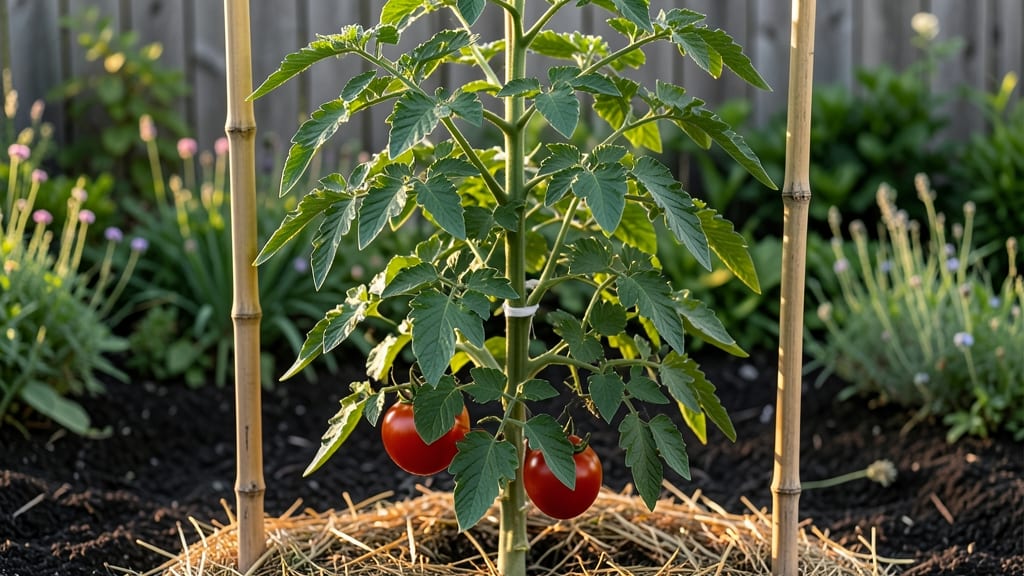
Indeterminate tomatoes aren’t just plants—they’re never-ending harvest machines that turn your garden into a summer-long salad bar. 🌱 Unlike their bushy cousins, these vines grow 6-10 feet tall, producing fruit continuously until frost, with some varieties even rebounding in warm climates the following year.
The trade-off? They need serious support and regular pruning to keep them productive, but the payoff is worth it for gardeners who love fresh tomatoes straight from the vine.
What sets them apart is their growth habit: instead of setting all their energy into one flush of fruit, indeterminate varieties stretch upward, forming new blossoms at every leaf joint.
This means you’ll get tomatoes from late summer straight through fall, as long as you keep the vines healthy. Varieties like ‘Sungold’, ‘Brandywine’, and ‘Cherokee Purple’ are classic choices, though heat-tolerant types like ‘Heatmaster’ work better in hotter regions.
To grow them successfully, you’ll need strong trellises or cages (think 6-foot-tall stakes or tomato towers) and a pruning routine to direct energy toward fruit production. Expect dozens—sometimes hundreds—of tomatoes per plant if conditions are right, but watch for disease pressure in humid climates.
The key is balance: prune aggressively early on, then let the plant sprawl once it’s established.
Perfect for gardeners with space to spare (or vertical gardening skills) and patience for a long-term project. These vines thrive in zones 4-10, though their productivity drops faster in colder climates. If you’ve ever dreamed of a garden that keeps giving all season, indeterminate tomatoes are your answer.
📚 In This Guide
- What you need
- Instructions
- Tips and common mistakes
- Wrapping up and next steps
What you need
- ● Indeterminate tomato seeds or seedlings: Choose varieties like 'Sungold,' 'Brandywine,' or 'Cherokee Purple' (3–5 plants per gardener, depending on space).
- ● Containers or garden bed: Containers: 5-gallon pots or larger (at least 18" deep and wide for each plant).
- ● Garden bed: Full sun (6–8+ hours daily) and well-draining soil.
- ● High-quality potting mix or compost: 10–15 lbs per container or amend garden soil with compost (aim for 2–3 inches of organic matter).
- ● Fertilizer: Balanced organic fertilizer (10-10-10 or 5-5-5) or tomato-specific feed (follow package rates).
- ● Stakes or cages: 6–8 ft tall tomato cages or sturdy bamboo stakes (1–2 per plant).
- ● Pruning shears or scissors: Sharp, clean pair for trimming suckers and dead leaves.
- ● Mulch: Straw, grass clippings, or shredded leaves (2–3 inches) to retain moisture.
- ● Watering can or hose with a gentle nozzle: For deep, consistent watering (1–2 gallons per plant, 2–3 times weekly).
- ● Plant ties or soft twine: To secure vines to stakes/cages.
- ● Drip irrigation system: For automated, efficient watering.
- ● Row covers or shade cloth: To protect young plants from pests or extreme heat.
- ● Epsom salt: 1 tablespoon per plant monthly for magnesium boosts.
- ● Garden journal: To track growth, pruning, and harvest dates!
Understanding indeterminate tomatoes: the all-season powerhouse
Here’s how these vines defy the rules—and why they’re the secret weapon for gardeners who love fresh tomatoes until frost.
🌱 Step 1: Recognize the Growth Habit
Indeterminate tomatoes grow like a vine, not a bush. They keep putting out new leaves, stems, and flowers all season long, producing fruit continuously until cold weather stops them. Unlike their determinate cousins—which grow to a fixed size and set fruit all at once—these vines can reach 6-10 feet tall (or more with support) and need regular pruning to manage their sprawl.
You’ll know you’ve got an indeterminate when you see suckers—those little shoots growing in the leaf axils—and the main stem keeps elongating with no end in sight. This endless growth means you’ll harvest tomatoes for 60-90 days or more, depending on your climate.
🌿 Step 2: Compare to Determinate Tomatoes
Determinate tomatoes grow in a compact, bushy form and produce fruit in one big flush. They’re great for canning or if you want a heavy harvest all at once. Indeterminate tomatoes, however, are the marathon runners of the tomato world—they’ll keep producing smaller batches of fruit until frost. This makes them ideal for gardeners who love fresh tomatoes for salads, sandwiches, or snacking all season.
Here’s the key difference: determinate tomatoes stop growing when they flower, while indeterminate tomatoes keep growing and flowering. That means you’ll see new blossoms and fruit clusters appearing at the top of the plant every week, even after the first harvests. It’s like a never-ending tomato buffet!
☀️ Step 3: Choose the Right Varieties
Not all tomatoes are indeterminate—some popular varieties include Brandywine, Cherokee Purple, Sungold, and Beefsteak. These are the heavy hitters of the indeterminate world, known for their flavor, size, and continuous production. If you’re new to indeterminate tomatoes, start with a cherry tomato variety like Sungold—they’re prolific, easy to grow, and perfect for snacking straight off the vine.
When selecting seeds or seedlings, look for labels that explicitly say "indeterminate." Some heirloom varieties are also indeterminate, so if you’re growing from seed, check the description carefully. You’ll want to avoid semi-determinate varieties, which are a hybrid between the two growth habits and don’t produce as reliably.
✂️ Step 4: Prune for Maximum Productivity
Pruning is critical with indeterminate tomatoes—it’s not just about keeping the plant tidy, but about directing the plant’s energy toward fruit production. Remove suckers (those little shoots growing between the main stem and branches) regularly. Suckers compete with the main plant for nutrients, and if left unchecked, they’ll weaken the vine and reduce fruit yield.
Here’s how to prune like a pro: Use your fingers or a sharp pair of pruning shears to pinch off suckers when they’re about 2 inches long. Focus on the lower third of the plant first, then work your way up. You’ll also want to prune any yellow or diseased leaves immediately to keep the plant healthy. With proper pruning, your indeterminate tomato will grow stronger, produce more fruit, and stay disease-free.
🌡️ Step 5: Support and Stake for Success
Indeterminate tomatoes need support to handle their weight and growth. Use a 6-foot tall stake or a sturdy cage to keep the vines upright. I recommend using a tomato tower or a floral wire cage for larger varieties—they provide better support and make harvesting easier.
As the plant grows, gently tie the main stem to the stake or cage using soft plant ties or strips of old T-shirt fabric. Avoid wire or anything that can cut into the stem. You’ll need to adjust the ties as the plant grows taller. Proper support ensures the plant doesn’t flop over under the weight of its fruit, which can lead to broken stems and lost harvests.
Tips & tricks for growing indeterminate tomatoes
These insights will help you maximize your harvest and keep your vine thriving all season long.
Pruning Precision: When removing suckers at the 2-inch stage, focus on the lower third of the plant first. This directs energy to the main stem and lower branches where most fruit develops. I've found that leaving 3-4 main branches (instead of removing all suckers) actually increases yield for larger varieties like Beefsteak. The key is balance—too aggressive pruning reduces fruit production, while too little leads to sprawl and disease.
Support Strategy: For varieties reaching 6-10 feet, I recommend a combination of a 6-foot stake and a tomato tower. The stake provides vertical support while the tower distributes weight and prevents stem stress. When tying the main stem, use soft fabric ties and adjust them every 1-2 weeks as the plant grows. This prevents stem damage that can occur with rigid ties that don't stretch.
Variety Selection: While Brandywine and Cherokee Purple are excellent choices, don't overlook disease-resistant varieties like 'Mountain Merit' or 'Defiant PhR'. These maintain their indeterminate growth while offering built-in protection against common tomato diseases. For container growing, compact indeterminate varieties like 'Tiny Tim' work beautifully in 5-gallon pots, producing fruit continuously until frost.
Season Extension: To maximize that 60-90 day harvest window, consider using row covers in early spring and late fall. These protect young plants from cold snaps and extend the season by 2-4 weeks at each end. I've successfully grown Sungold cherry tomatoes until Thanksgiving using this method in my Zone 6 garden. Just remember to remove covers during flowering to prevent heat buildup.
Pro Tips for What Is An Indeterminate Tomato
- These insights will help you maximize your harvest and keep your vine thriving all season long.
- Pruning Precision: When removing suckers at the 2-inch stage, focus on the lower third of the plant first. This direc...
- Support Strategy: For varieties reaching 6-10 feet, I recommend a combination of a 6-foot stake and a tomato tower. T...
Frequently asked questions
Got questions about indeterminate tomatoes? You’re not alone—these vines are unique, and gardeners often wonder how to handle their quirks. Below, we’ve rounded up the most common questions (and answers!) to help you grow like a pro.
What’s the difference between indeterminate and determinate tomatoes?
Indeterminate tomatoes keep growing all season, producing fruit until frost, while determinate varieties stop at a set height (usually 3–5 feet) and ripen all at once. Indeterminate vines can reach 6–12+ feet and need staking or caging. Think of them as the marathon runners of the tomato world!
How long do indeterminate tomatoes take to produce fruit?
Expect 60–85 days from transplant to first ripe tomato, but since they’re vining plants, they’ll keep yielding until cold weather hits. Early varieties (like ‘Early Girl’) may fruit sooner, while heirlooms (like ‘Brandywine’) take longer but reward with flavor. Patience pays off!
Can I grow indeterminate tomatoes in containers?
Choose a 5-gallon+ pot with drainage holes and a sturdy trellis or cage. Dwarf or compact varieties (like ‘Tiny Tim’) work best, but even standard indeterminates thrive in containers if pruned and fertilized regularly. Just ensure they get 6–8 hours of sun daily.
Why aren’t my indeterminate tomatoes ripening?
Common culprits include underwatering, poor sunlight, or temperature swings (below 55°F or above 90°F). Check for pests (hornworms!) and ensure consistent moisture. If flowers drop without fruiting, it might be blossom end rot—fix with calcium-rich soil or crushed eggshells.
Do indeterminate tomatoes need special care in hot climates?
Yes! High heat can stress vines. Shade cloth during peak afternoon sun, mulch to retain moisture, and water deeply at the roots (avoid wetting leaves). Prune suckers aggressively to improve airflow, and harvest frequently to encourage more production. Heat-tolerant varieties like ‘Solar Fire’ are great choices!
Can I save seeds from indeterminate tomatoes for next year?
You bet! Indeterminate tomatoes are often heirlooms, making them perfect for seed saving. Let a few fruits fully ripen on the vine, scoop out the gel, rinse the seeds, and dry them on a paper towel. Store in a cool, dark place for up to 5 years. Pro tip: Label varieties—hybrids won’t grow true!
Wrapping up and next steps
So, there you have it—indeterminate tomatoes are the superstars of the garden, offering endless harvests with minimal fuss once they’re established! 🌱 Whether you’re a seasoned gardener or a curious beginner, these vines prove that patience and a little care can yield bountiful rewards all season long.
Ready to dive in? Start by gathering your supplies and sketching out your perfect tomato trellis or cage setup—your future salads (and bragging rights) will thank you!