
Vegetables
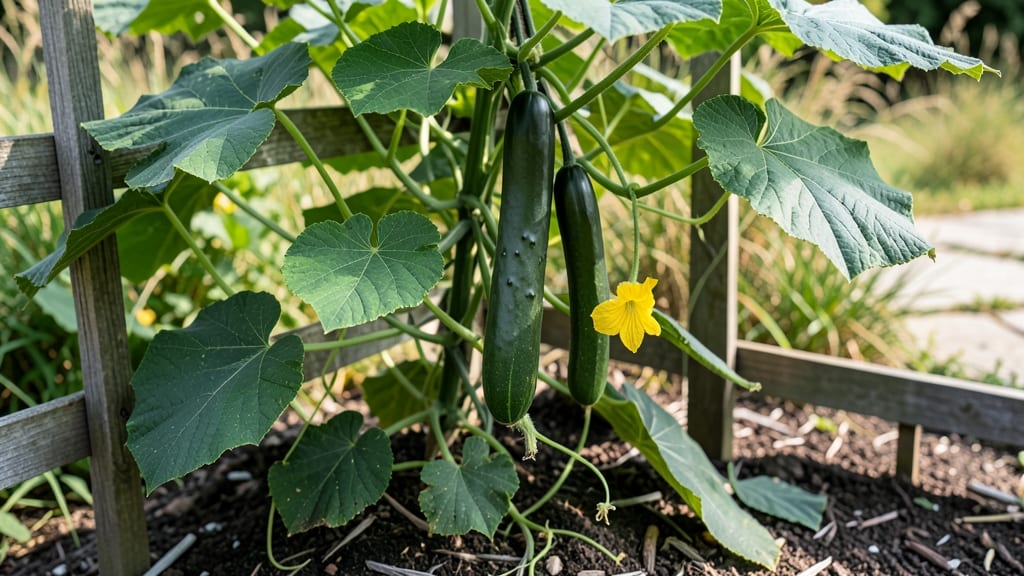
What’s a Persian cucumber? These elegant, striped superstars of the cucumber world—sweet, tender, and perfect for snacking straight off the vine. 🌿 Unlike their thick-skinned supermarket cousins, these slender beauties grow just 4-6 inches long with delicate, bumpy skin and a crisp, buttery interior that melts in your mouth.
I fell in love with them after my first bite: no peeling, no bitterness, just pure, refreshing crunch.
They thrive in warm climates but adapt well to containers, making them ideal for small spaces or urban gardens. Plant them in full sun with well-draining soil, and they'll produce prolifically from midsummer until frost.
The secret? Trellising them vertically saves space and keeps fruits clean and disease-free—no soggy bottoms here.
What you'll get is a steady harvest of cucumbers so sweet they're almost dessert-like, perfect for slicing into salads or munching with hummus. They stay crisp longer than slicing cucumbers too, so you won't waste a single one.
The only challenge? Keeping up with the harvest before they turn into tiny, seedy monsters.
For best results, plant them after the last frost when soil reaches 60°F, and watch them climb your trellis like green vines of magic. Once you try them, you'll never go back to bland, watery store-bought cucumbers again.
📚 In This Guide
- What you need
- Instructions
- Tips and common mistakes
- Wrapping up and next steps
What you need
- ● Seeds: 10–20 Persian cucumber seeds (look for heirloom varieties like 'Lemon Cucumber' or 'Bush Champion' for best results).
- ● Potting soil or garden bed: Well-draining, fertile soil (mix in compost for extra nutrients).
- ○ Containers (optional): 5–10 gallon pots if growing indoors or in small spaces.
- ● Trellis or stakes: 4–6 ft tall to support vining varieties (Persian cucumbers thrive when climbed!).
- ● Watering can or hose: For consistent moisture (avoid soggy soil!).
- ○ Fertilizer (optional): Balanced organic fertilizer (10-10-10) or compost tea for a boost.
- ● 1–2 Persian cucumbers: Fresh, unblemished, and firm (their thin skin is edible—no peeling needed!).
- ○ Basic pantry staples (optional): Salt and pepper
- ● Lemon juice or vinegar (for pickling)
- ● Olive oil, herbs (dill, parsley), or garlic (for salads/dips)
- ● Knife and cutting board: A sharp chef’s knife for slicing or dicing.
- ○ Mixing bowl (optional): For tossing salads or marinating.
- ● 🌡️ Temperature: Persian cucumbers love warmth (plant after the last frost when soil is at least 60°F).
- ● ⏰ Sunlight: 6–8 hours of direct sun daily for optimal growth.
- ● 💧 Watering: Keep soil evenly moist but not waterlogged (drip irrigation works great!).
How to grow stunning Persian cucumbers at home
These crisp, striped beauties are easier to grow than you'd think—and they taste nothing like store-bought.
🌱 Step 1: Choose the Perfect Spot for Your Plants
Persian cucumbers thrive in full sun with at least 6-8 hours of direct light daily. I always pick a south-facing location because they need warmth to produce those signature striped fruits. If you're container gardening, place pots where they'll get morning sun and afternoon shade during peak summer heat.
Here's the thing—these cucumbers grow fast, so make sure the area has room for vines to spread 3-5 feet in all directions. If space is tight, train them up a trellis or fence. Watch for the first true leaves to appear—this is your signal the plant is ready to start climbing if you choose that method.
💧 Step 2: Plant Seeds or Seedlings at the Right Time
Sow seeds 2 weeks after your last frost date when soil reaches 60°F or warmer. I like to plant mine in late spring because cooler soil slows germination. For a head start, buy transplants from a nursery—just make sure they're labeled "Persian" or "mini" cucumbers to avoid larger varieties.
Dig holes 1 inch deep and place seeds 12-18 inches apart in rows 3 feet apart to give plants room to sprawl. Cover seeds lightly with soil and water gently until the surface is damp. You'll see sprouts in 5-10 days—don't be tempted to water from above once they emerge, or you'll risk fungal diseases.
☀️ Step 3: Provide Consistent Care for Maximum Yield
Water deeply 1-2 times per week, aiming for 1 inch of water per week. Persian cucumbers are drought-sensitive, so let the top 1-2 inches of soil dry out slightly between waterings. I always water at the base in the morning to prevent mildew from evening moisture.
Fertilize lightly with a balanced 10-10-10 or 5-5-5 formula when flowers appear, using about 1 tablespoon per plant. Too much nitrogen leads to leafy growth instead of fruit. You'll know you're on track when vines produce yellow flowers—these will turn into your prized striped cucumbers in 50-60 days.
✂️ Step 4: Harvest at Peak Ripeness for Best Flavor
Harvest when cucumbers reach 4-6 inches long and develop their signature stripes. I check plants every 2-3 days because they grow fast—waiting too long makes them bitter. Use pruning shears or a sharp knife to cut stems, leaving a ½ inch of stem attached to encourage more production.
This is the moment that matters: those crisp, sweet cucumbers taste nothing like the bland ones from the store. Store them in the fridge for up to 5 days, or use them immediately in salads, sandwiches, or as a refreshing snack. The more you pick, the more your plants will produce—so don't be shy about harvesting!
Tips & tricks for perfect Persian cucumber gardens
Growing these striped beauties takes just a few smart moves—and I've got the insider tricks to make your harvest shine.
Sunlight Strategy: The 6-8 hours of direct sunlight in Step 1 is non-negotiable for those signature stripes. I've learned the hard way that afternoon shade helps prevent sunscald on container plants during peak summer heat. If you notice leaves turning yellow or crispy, move your pots to a spot with morning sun and afternoon shade immediately.
Seed Starting Hack: For a foolproof germination in Step 2, I soak seeds overnight in warm water before planting. This cuts the 5-10 day wait time by about 24 hours—just make sure to plant them within 24 hours of soaking. The key is keeping soil consistently moist but not soggy during this period, which is why I use a spray bottle for watering after planting.
Watering Wisdom: That 1-2 inches of water per week in Step 3 needs to be right at the base, never on the leaves. I've found using a soaker hose for 10-15 minutes makes this effortless. The morning timing prevents fungal diseases that can ruin your harvest before it starts. Watch for wilting leaves—this is your plant's way of saying "water me now!"
Harvest Timing: Those 2-3 day checks in Step 4 are crucial—waiting even a day can turn sweet cucumbers bitter. I harvest mine at 4-5 inches when the stripes are most vibrant. The secret is using pruning shears to cut stems cleanly, which prevents damage that can invite pests. Leave that ½ inch of stem attached to encourage more production!
Pro Tips for Whats A Persian Cucumber
- Growing these striped beauties takes just a few smart moves—and I've got the insider tricks to make your harvest shine.
- Sunlight Strategy: The 6-8 hours of direct sunlight in Step 1 is non-negotiable for those signature stripes.
- Seed Starting Hack: For a foolproof germination in Step 2, I soak seeds overnight in warm water before planting.
Frequently asked questions
Got questions about Persian cucumbers?
You’re not alone! Here are the most common ones—plus quick, easy answers to help you master these striped superstars in your kitchen.
What’s the difference between a Persian cucumber and a regular cucumber?
Persian cucumbers are smaller (4–6 inches long), seedless, and have a crisp, sweet flavor with thin, tender skin—no peeling needed! Regular slicing cucumbers are larger, seedy, and often bitter. Persian cucumbers stay crunchy longer and are perfect for snacking or salads.
How long do Persian cucumbers last in the fridge?
Store them in a sealed container or plastic bag in the fridge’s crisper drawer for 1–2 weeks. Avoid washing until ready to use to prevent sogginess. For extra freshness, wrap them in a paper towel to absorb moisture.
Where can I buy Persian cucumbers, and are they expensive?
Check specialty grocery stores, farmers’ markets, or well-stocked supermarkets (look for the "Persian" or "snack" label). Prices vary, but they’re usually $1–$3 per cucumber—slightly pricier than regular cucumbers. Bulk bins or seasonal sales can save you money!
Can I substitute Persian cucumbers in recipes?
Yes! Swap them 1:1 for regular cucumbers in salads, sandwiches, or dips (like tzatziki). For pickling, their thin skin holds up well, but avoid large, seedy cucumbers—they’ll get mushy.
Why are my Persian cucumbers turning yellow or soft?
Yellowing or soft spots mean they’re overripe. Store them properly (cool, dry, and unwashed) to extend freshness. If they’re still firm but yellowing, peel the skin—the flesh should still be crisp. Toss wilted ones into smoothies or sauces instead of wasting them!
Wrapping up and next steps
So there you have it—Persian cucumbers aren’t just pretty; they’re bursting with flavor, versatility, and a crisp texture that makes them a standout in any dish.
Whether you’re snacking fresh, whipping up a salad, or grilling them to perfection, these striped gems prove that not all cucumbers are created equal! 🌟
Ready to elevate your meals? Start by picking up a few at your local market or farmers’ market—or even grow your own if you’re feeling adventurous. Your taste buds (and Instagram feed) will thank you!