
Vegetables
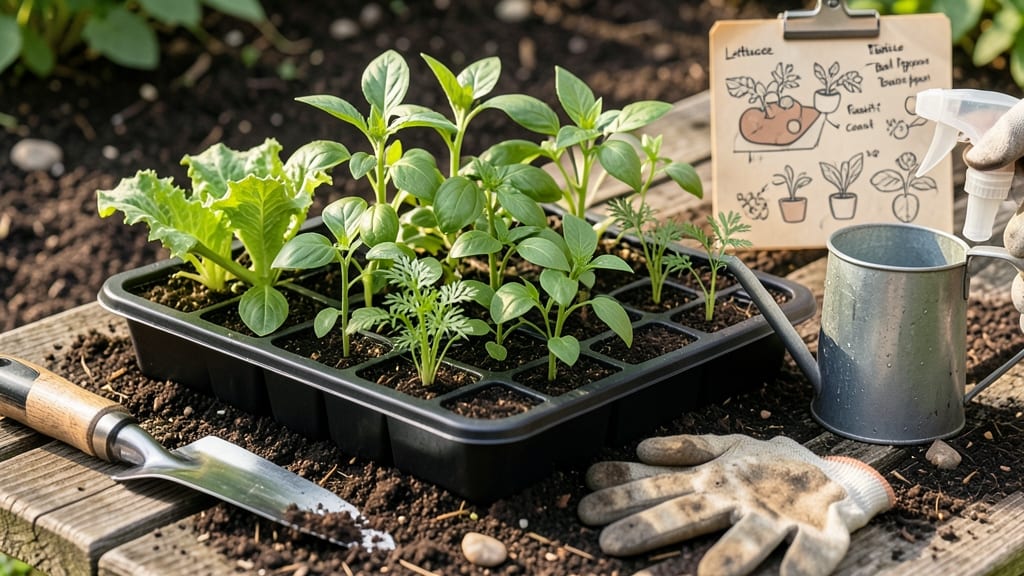
Planting vegetables at the wrong time means wilted seedlings and wasted effort. ✨ The best time to plant vegetables depends on your zone, but a month-by-month calendar keeps your garden thriving all season long.
I’ve learned that timing is everything—whether you’re sowing cool-season crops in early spring or heat-loving veggies in late spring.
Start by checking your last frost date and soil temperature—most vegetables prefer soil that’s at least 50°F for cool crops and 60°F+ for warm ones. Seed packets often include planting times, but local conditions vary, so adjust as needed.
For example, lettuce and peas love early spring, while tomatoes and peppers need warmer soil to thrive.
With the right timing, you’ll harvest crisp carrots in summer, tender greens in fall, and even winter squash before frost. The key is balancing planting windows with your climate—whether you’re in the Northern Hemisphere or Southern Hemisphere. A simple calendar keeps you on track for a bountiful harvest all year.
Need a quick reference? We’ve got a month-by-month guide for 10+ popular vegetables, plus tips for regional adjustments. No more guessing—just confident planting that leads to a garden full of flavor.
📚 In This Guide
- What you need
- Instructions
- Tips and common mistakes
- Wrapping up and next steps
What you need
- ● Garden plot or containers: Raised beds (4’x8’ recommended), in-ground plots, or large pots (minimum 12” deep for root veggies).
- ● Soil: 10-20 bags (2-3 cubic feet each) of high-quality garden soil or potting mix (avoid pure topsoil—amend with compost!).
- ● Compost: 5-10 bags (or homemade compost) to enrich soil with nutrients.
- ● Organic fertilizer: Balanced 10-10-10 or veggie-specific blend (follow package rates).
- ● Seeds or seedlings: Seeds: Purchase heirloom or hybrid varieties (check seed packets for days to maturity).
- ● Seedlings: Buy from nurseries (transplant after hardening off for 7-10 days).
- ● Watering supplies: Hose with adjustable nozzle or watering can (1-2 gallon capacity).
- ○ Drip irrigation kit (optional but highly recommended for efficiency).
- ● Gloves & knee pads: Heavy-duty gardening gloves (1 pair) and knee pads for comfort.
- ● Hand trowel & transplanting spade: For digging and precision planting.
- ● Mulch: Straw or wood chips (2-3 inches) to retain moisture and suppress weeds.
- ● Row covers: Lightweight fabric to protect seedlings from pests/frost (spring/fall).
- ● Trellis or cages: For vining plants like cucumbers, beans, or tomatoes.
- ● pH test kit: To check soil acidity (ideal range: 6.0–7.0 for most veggies).
- ● Plant markers: Sticks or labels to track varieties and planting dates.
- ● Pruners & garden twine: For trimming and supporting plants.
Instructions for timing your vegetable planting by month
Here's how I plan my garden to maximize harvests—using frost dates and plant hardiness as my guide.
🌱 Step 1: Calculate Your Last and First Frost Dates
Find your average last spring frost and first fall frost dates from your local extension office or weather service. These dates determine your planting windows. I mark them on my calendar in red—these are the bookends for most cool-season crops. For warm-season crops, count back 2-4 weeks from your last frost to start seeds indoors.
If you're new to this, use the USDA Plant Hardiness Zone Map as a rough starting point, but always verify with local data. A 30-day difference in frost dates can mean the difference between a thriving tomato plant and one that bolts before producing fruit.
☀️ Step 2: Plant Cool-Season Crops Early and Late
Cool-season vegetables like broccoli, cabbage, and spinach thrive in temperatures between 45-75°F. I plant these 4-6 weeks before my last frost date for spring harvests, and again 60-90 days before the first frost for fall harvests. These plants actually prefer cooler weather and often produce better in spring's mild conditions than in summer's heat.
Direct-sow seeds like carrots and radishes 2 weeks before your last frost—they germinate quickly and tolerate light frosts. For transplants like kale or Brussels sprouts, wait until soil temperatures reach 40°F to prevent stunted growth. I test soil temperature with a simple thermometer—anything below 40°F and I wait.
🌿 Step 3: Time Warm-Season Crops for Peak Summer Growth
Warm-season crops like tomatoes, peppers, and cucumbers need soil temperatures above 60°F to thrive. I start these 6-8 weeks before my last frost date indoors under grow lights, then transplant outdoors 2 weeks after the last frost when soil has warmed. You'll know it's ready when the ground feels comfortably warm to your bare hand.
For direct-sown warm-season crops like beans and corn, wait until soil is consistently 60°F—I test this by pressing my hand into the ground for 5 seconds. If it feels too cool, I wait another week. Planting too early in cold soil leads to poor germination and weak seedlings that struggle to establish.
⏰ Step 4: Schedule Succession Plantings for Continuous Harvests
To keep a steady supply of greens like lettuce or herbs like basil, I plant new seeds every 2-3 weeks during the growing season. This ensures I always have fresh produce available. For example, I'll sow a row of lettuce on May 1st, another on May 15th, and a final one on June 1st—this way, I'm never without harvestable leaves.
For crops with longer maturity dates like cabbage or onions, I stagger plantings so that each new batch reaches maturity just as the previous one is finishing. This technique prevents glut and waste, giving me a steady harvest all season long. I keep a simple planting journal to track what I've sown and when to expect harvests.
🌱 Step 5: Plan Fall Plantings for Extended Harvests
Many vegetables can be planted in late summer for fall harvests. I aim to have cool-season crops in the ground 90-120 days before my first frost—this gives them enough time to mature before cold weather sets in. For example, in my zone, I plant broccoli on July 15th for a fall harvest, knowing it will be ready by October 15th.
Use row covers or cold frames to extend the season further. These protect plants from light frosts and allow you to harvest well into autumn. I always keep a few extra row covers on hand—sometimes a sudden cold snap can catch me off guard, and these save my crops when temperatures drop unexpectedly.
Tips & tricks for perfect vegetable planting timing
These practical insights will help you avoid common planting pitfalls and maximize your garden's potential.
Frost Date Accuracy: Don't rely solely on the USDA Plant Hardiness Zone Map—local weather patterns can vary significantly. I recommend contacting your local cooperative extension office for precise frost date data. In my experience, a 30-day difference in frost dates can dramatically affect crop success, especially for sensitive plants like tomatoes. Mark these dates on your calendar and use them as your planting bookends.
Soil Temperature Testing: A simple soil thermometer is one of the most valuable tools in your gardening arsenal. For cool-season crops like kale and Brussels sprouts, wait until soil reaches 40°F before planting—any cooler and you risk stunted growth. For warm-season crops, I press my hand into the soil for 5 seconds as a quick test; if it feels too cool, I wait another week. This simple check prevents poor germination and weak seedlings that struggle to establish.
Season Extension Strategies: Row covers and cold frames are game-changers for extending your growing season. I use them to protect cool-season crops from light frosts, allowing me to harvest well into autumn. Keep a few extra on hand—sudden cold snaps can catch even experienced gardeners off guard. These protective covers also help maintain consistent soil temperatures, which is crucial for crops like lettuce that prefer cooler conditions.
Succession Planting Organization: Maintain a simple planting journal to track what you've sown and when to expect harvests. I record dates for each planting and note the specific varieties. This system prevents glut and waste by ensuring each new batch reaches maturity just as the previous one finishes. For example, I'll sow lettuce on May 1st, May 15th, and June 1st—this staggered approach guarantees a steady supply of fresh greens all season long.
Pro Tips for When Plant Vegetables In Garden
- These practical insights will help you avoid common planting pitfalls and maximize your garden's potential.
- Frost Date Accuracy: Don't rely solely on the USDA Plant Hardiness Zone Map—local weather patterns can vary significantly.
- Soil Temperature Testing: A simple soil thermometer is one of the most valuable tools in your gardening arsenal.
Frequently asked questions
Got questions about planting your garden? You’re not alone! Here are answers to the most common queries to help you grow like a pro.
When is the best time to start planting vegetables?
The ideal time depends on your climate and the vegetable type. Cool-season crops (like lettuce, peas, and spinach) thrive in early spring or fall, while warm-season crops (tomatoes, peppers, and cucumbers) need to go in after the last frost. Check your local frost dates for a head start!
Can I plant vegetables year-round?
It depends on your location! In mild climates (like Southern California or Florida), you can plant most vegetables year-round. However, in colder regions, focus on spring and fall planting. Use season extenders (like row covers or greenhouses) to push boundaries safely.
What if I plant too early or too late?
Planting too early can expose seedlings to frost damage, while planting too late may result in poor growth or bolting (flowering too soon). Monitor soil temperatures—most veggies need soil that’s at least 50–60°F for cool-season crops and 60–85°F for warm-season ones.
What are some easy vegetables for beginners?
Start with low-maintenance veggies like lettuce, radishes, green beans, and zucchini. They’re fast-growing, forgiving, and perfect for building confidence. Herbs like basil and parsley are also great for new gardeners!
How do I protect my plants from pests?
Prevention is key! Use row covers, companion planting (like marigolds to deter pests), and organic sprays (neem oil or insecticidal soap). Rotate crops yearly to disrupt pest life cycles and keep your garden thriving.
Wrapping up and next steps
Planting a vegetable garden is a rewarding journey, and timing is everything! By following a month-by-month guide, you’ll maximize growth, avoid pests, and enjoy fresh produce all season long.
Whether you’re a beginner or a seasoned gardener, every seed planted with care is a step toward a thriving harvest—so grab your gloves and get growing!
Ready to dive in? Start by sketching your garden layout and marking key planting dates on your calendar. Then, check your local frost dates and adjust as needed. Before you know it, you’ll be feasting on homegrown veggies—one delicious bite at a time! 🌱🍅