
Vegetables
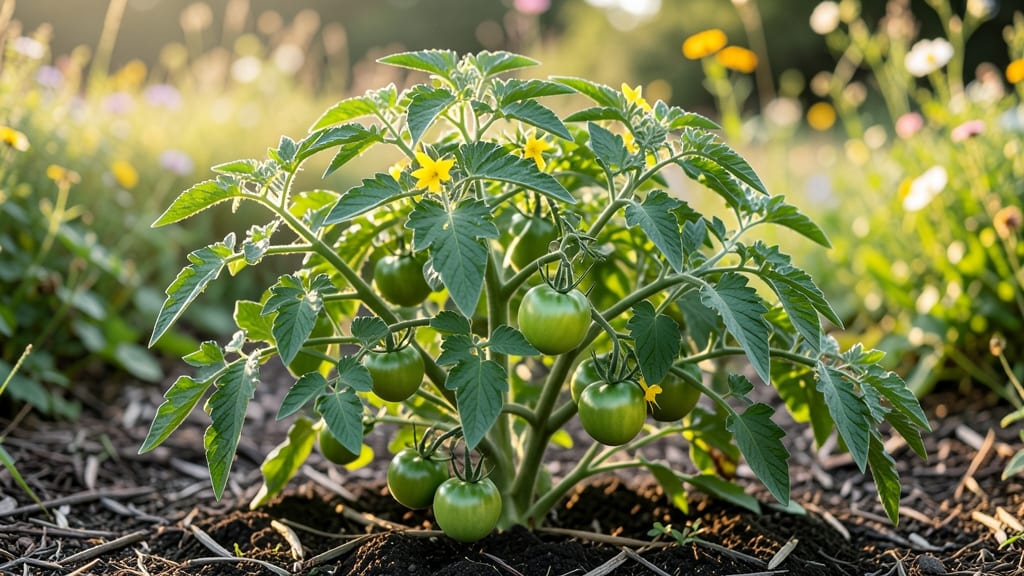
Growing Big Beef hybrid tomatoes means beefsteak-sized slices from a plant that handles cooler weather better than most. 🌱 I’ve grown this variety for three seasons now, and it’s become my go-to for homegrown tomatoes that actually feed a crowd—no need for those tiny grocery-store slices.
The secret isn’t just the plant; it’s how you prep the soil, space them right, and keep them happy through those 80-day harvests.
These tomatoes thrive in full sun (6-8 hours daily) and need rich, well-draining soil mixed with compost—think of it as giving them a protein shake for their roots. Plant seeds 1/4 inch deep and space them 24-36 inches apart (they grow big).
Water consistently at the base, avoiding the leaves to prevent disease. Prune suckers regularly to focus energy on fruit production, and stake them early—they’ll get heavy. By mid-summer, you’ll be picking 1-pound tomatoes that burst with flavor, not the mealy store-bought ones.
The key is patience: these plants reward you with heavy yields if you stay on top of watering and pruning. Even in cooler climates, they outperform most varieties, giving you a longer harvest window. For extra protection, use row covers early in the season or mulch heavily to retain moisture.
If you notice blossom end rot (dark spots on the bottom), side-dress with calcium-rich materials like eggshells or crushed oyster shell. With these tips, you’ll turn your garden into a tomato powerhouse—no greenhouses or fancy equipment needed.
📚 In This Guide
- What you need
- Instructions
- Tips and common mistakes
- Wrapping up and next steps
What you need
- ● Seeds or Seedlings: 3–5 Big Beef Hybrid Tomato seeds (or 3–5 young plants if starting with seedlings).
- ● Containers or Garden Space: 5-gallon pots (1 per plant) or
- ● A sunny garden bed (6+ hours of sunlight daily, well-draining soil).
- ● Potting Mix: 1–2 bags (2–3 cubic feet) of high-quality, well-draining organic potting mix (e.g., Miracle-Gro or Fox Farm).
- ● Fertilizer: Balanced 10-10-10 fertilizer or
- ● Tomato-specific fertilizer (e.g., 5-10-10 or organic options like fish emulsion).
- ● Support System: 3–5 6-foot tomato cages or
- ● Bamboo stakes (1 per plant, 6+ feet tall).
- ● Watering Can or Hose: With a gentle spray nozzle (avoid overhead watering to prevent disease).
- ● Gloves & Pruners: For handling plants and trimming suckers.
- ● pH Test Kit: To ensure soil pH is 6.0–6.8 (ideal for tomatoes).
- ○ Mulch (Optional but Recommended): Straw or shredded leaves to retain moisture and suppress weeds.
- ● Cold Frame or Row Covers: If extending the season in cooler climates (Zone 3–4).
Step-by-step guide to growing Big Beef hybrid tomatoes
Here's how to cultivate these cold-hardy giants from seed to harvest in just 80 days.
🌱 Step 1: Start Seeds Indoors 6-8 Weeks Before Last Frost
Fill small seed trays with moistened seed-starting mix, pressing down lightly to remove air pockets. Plant 2-3 seeds per cell at a depth of ¼ inch, then cover with a thin layer of mix. I like to use a toothpick to create small holes—this prevents over-deep planting, which delays germination. Place trays in a warm spot (70-75°F) and cover with plastic wrap to retain moisture.
Germination typically occurs in 7-14 days, but Big Beef seeds may take longer if your home stays cooler. Watch for the first true leaves (not the initial seed leaves) before thinning to the strongest seedling per cell. This variety thrives with warmth, so I often use a seedling heat mat for faster, more uniform sprouting.
☀️ Step 2: Provide Optimal Light and Harden Off Seedlings
Once seedlings emerge, move them to a bright location with 14-16 hours of light daily. A south-facing window works, but I supplement with a grow light to prevent leggy growth. Position the light 2-3 inches above the plants and raise it gradually as they grow. You'll know the light is adequate when seedlings develop thick, dark green stems and leaves spaced 1 inch apart.
Two weeks before transplanting, begin hardening off by placing seedlings outdoors in partial shade for 1-2 hours daily. Gradually increase exposure over 7-10 days, ending with full sun. This prepares them for the garden and prevents transplant shock. Big Beef tomatoes handle cooler temperatures better than most hybrids, but still need this gradual adjustment.
🪴 Step 3: Transplant to the Garden After All Frost Risk Passes
Choose a location with full sun (6-8 hours daily) and well-draining soil. Amend heavy clay with compost to improve aeration. Dig holes slightly larger than the root ball and space plants 24-36 inches apart—Big Beef vines spread widely. I bury the stem deeper than in the pot to encourage stronger root growth, but avoid covering leaves.
Water deeply at transplanting to settle the soil and remove air pockets. Mulch with 2-3 inches of straw or shredded leaves to retain moisture and suppress weeds. This variety produces large fruit, so consistent moisture is key. Water at the base in the morning to prevent fungal diseases that thrive in damp foliage.
✂️ Step 4: Prune and Support for Maximum Yield
Install sturdy cages or stakes at transplanting to support the heavy vines. Prune suckers (the small shoots that form in the leaf axils) regularly to direct energy to fruit production. I remove suckers larger than 2 inches to keep the plant manageable. Big Beef tomatoes benefit from pruning, but don't overdo it—leave enough leaves to photosynthesize.
Pinch off the first flower cluster if you want larger fruit later in the season. This encourages the plant to focus on vine growth first. Once the plant is established, fertilize with a balanced organic fertilizer every 3-4 weeks to support the heavy fruit load. Watch for signs of stress like yellowing leaves—this usually means the plant needs more nutrients or water.
🍅 Step 5: Harvest at Peak Ripeness for Best Flavor
Harvest when tomatoes reach their full color and yield slightly to gentle pressure. Big Beefs typically ripen 80 days after transplanting, but timing varies with climate. I pick in the morning when fruits are coolest for better flavor. Use pruning shears to avoid damaging the vine, and harvest regularly to encourage more production.
Store ripe tomatoes at room temperature for 3-5 days or refrigerate to extend shelf life. These tomatoes are prized for their beefsteak size and sweet flavor, but they don't travel well. Plan to enjoy them fresh or process into sauces and salsas immediately. With proper care, a single plant can yield 10-20 pounds of fruit—enough to feed a family all summer.
Tips & tricks for growing Big Beef hybrid tomatoes
These cold-hardy giants reward patience with massive harvests—here's how to maximize your success from seed to table.
The Heat Factor: Those 70-75°F germination temps are non-negotiable for Big Beef seeds. I learned this the hard way—cooler homes can delay germination by weeks. If your space runs cold, invest in a seedling heat mat ($20) or place trays on top of your fridge. The consistent warmth makes all the difference in those critical first 7-14 days.
Lighting Strategy: The 14-16 hours of light requirement isn't just about duration—it's about intensity. Position your grow light 2-3 inches above seedlings and adjust as they grow. I notice leggy seedlings when lights are too far away or too weak. For best results, use full-spectrum LED grow lights that mimic sunlight's spectrum—your plants will thank you with stocky, healthy growth.
Transplanting Hack: When burying stems deeper than the pot (a pro technique for Big Beefs), make sure to leave the lower leaves exposed. I once buried too many leaves and ended up with rot at the base. The goal is to encourage root growth from the buried stem while keeping foliage above ground. This creates a stronger plant that can support those 1-2 pound tomatoes.
Pruning Precision: Those 2-inch sucker size guidelines are your friend. Anything smaller than that is just stealing energy from your fruit production. I use clean pruning shears and make cuts at a 45-degree angle to prevent water from pooling on the wound. This simple technique reduces disease risk while keeping your plant focused on producing those massive beefsteak tomatoes.
Pro Tips for Big Beef Hybrid Tomato
- These cold-hardy giants reward patience with massive harvests—here's how to maximize your success from seed to table.
- The Heat Factor: Those 70-75°F germination temps are non-negotiable for Big Beef seeds.
- Lighting Strategy: The 14-16 hours of light requirement isn't just about duration—it's about intensity.
Frequently asked questions
Got questions about growing Big Beef hybrid tomatoes? You’re not alone—this cold-hardy giant is a favorite, but it comes with its own quirks! Here are answers to the most common queries to help you grow a bumper crop.
How cold can Big Beef tomatoes tolerate?
Big Beef is one of the most cold-hardy tomato varieties, surviving light frosts down to 28°F (-2°C). However, for best growth, keep seedlings warm (above 50°F/10°C) and transplant after the last frost when soil is at least 60°F/15°C. Young plants may need row covers for early spring planting.
Why is my Big Beef tomato taking longer than 80 days to produce?
Several factors can delay harvest:
- Cool temperatures slow growth—aim for 70–85°F (21–29°C) for optimal speed.
- Insufficient sunlight (6–8 hours/day) or poor soil fertility can stunt plants.
- Overcrowding or lack of pruning may redirect energy to leaves instead of fruit.
Check for pests (like hornworms) and ensure consistent watering—drought stress delays ripening!
Can I grow Big Beef in containers? If so, what size pot do I need?
Big Beef thrives in containers with 5-gallon pots or larger (at least 18" deep). Use a well-draining potting mix, and add a cage or trellis to support its 6–8 lb fruits. Place pots in full sun and fertilize weekly with a balanced tomato feed.
What’s a good alternative if I can’t find Big Beef seeds?
If Big Beef isn’t available, try these cold-tolerant, beefsteak-style hybrids:
- Brandywine (heirloom, meaty, but slower to mature)
- Mountain Merit (disease-resistant, early producer)
- Cherokee Purple (rich flavor, slightly smaller but hardy)
All three deliver big, flavorful tomatoes—just adjust growing conditions to their preferences!
What pests or diseases should I watch for with Big Beef tomatoes?
Big Beef is resistant to verticillium and fusarium wilt, but keep an eye out for:
- Blossom end rot (calcium deficiency—fix with crushed eggshells or calcium spray).
- Hornworms (handpick or use BT spray).
- Early blight (remove infected leaves and rotate crops yearly).
Prune lower leaves for airflow, and mulch to prevent soil-borne diseases.
Wrapping up and next steps
The Big Beef hybrid tomato is a game-changer for gardeners craving cold-hardy, high-yield tomatoes that deliver big flavor and bigger harvests—all in just 80 days! Whether you're a space-conscious urban gardener or a backyard enthusiast, this variety proves that growing giants doesn’t require a greenhouse or endless sunshine.
With the right care, you’ll be feasting on juicy, beefsteak-sized tomatoes that rival store-bought (but taste a million times better!).
Ready to take the plunge? Start by grabbing your seeds or seedlings, prepping your soil, and giving these cold-loving beauties the love they deserve. Your future sandwiches, salads, and sauces will thank you! 🌱🍅