
Vegetables
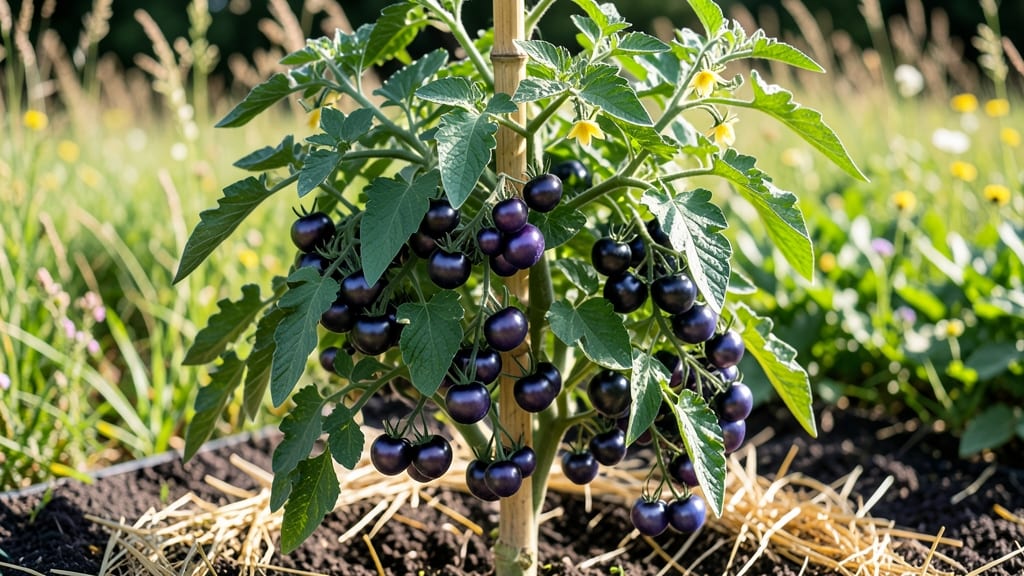
Growing Blue Gold Berries tomatoes feels like stealing sunbursts from the sky—those stunning striped fruits taste like summer in every bite. 🌈 These heirloom beauties regrow from scraps, so even a single seedling can become a lifetime supply.
The secret lies in their adaptability: they thrive in containers or garden beds, from coastal climates to hot inland summers. You’ll need well-draining soil with organic matter, a sunny spot (at least 6-8 hours of light), and consistent moisture—never soggy roots.
The real magic happens when you save the base of the stem after harvest: it’ll sprout new plants in water within weeks. Pests like hornworms and aphids might visit, but a strong spray of water usually sends them packing.
By midsummer, you’ll be harvesting sweet, juicy tomatoes with a balance of tangy and fruity flavors. The plants keep producing until frost, and each fruit becomes a conversation starter. The best part? These tomatoes improve with age—older plants yield more reliably than store-bought seedlings.
Perfect for small spaces, urban gardens, or anyone who loves heirloom surprises. Here’s how to grow them like a pro—no green thumb required.
📚 In This Guide
- What you need
- Instructions
- Tips and common mistakes
- Wrapping up and next steps
What you need
- ● Blue Gold Berries tomato seeds or seedlings – 3–5 seeds or 1–2 healthy seedlings (check for vibrant green leaves and no yellowing).
- ● Seed-starting mix or potting soil – 2–3 cups (lightweight, sterile, and well-draining). Pro tip: Avoid garden soil—it’s too dense for sprouting!
- ● Small seedling pots or biodegradable containers – 4–6 (3–4 inches deep) for individual seedlings.
- ● Grow lights or a sunny windowsill – 8–12 hours of bright light daily (south-facing windows or LED grow lights work best).
- ● Watering can or spray bottle – With a gentle nozzle to avoid disturbing seeds.
- ○ Fertilizer (optional but helpful) – A balanced, water-soluble fertilizer (e.g., 10-10-10) or fish emulsion (diluted to half-strength).
- ● Pruning shears or scissors – For harvesting scraps (if regrowing from cuttings).
- ○ Rooting hormone (optional) – Speeds up root growth for stem cuttings (e.g., 1-inch stem pieces with leaves).
- ○ Heat mat (optional) – Keeps soil warm (70–80°F) for faster germination.
- ● Spray bottle with water – For misting cuttings to encourage rooting.
- ● Garden or large container (5+ gallons) – For transplanting seedlings (ensure drainage holes!).
- ● Mulch or straw – Helps retain moisture and suppress weeds once planted outdoors.
Instructions for growing Blue Gold Berries tomatoes from scraps
Here's how I turn scraps into thriving striped sunburst tomatoes—no seeds needed.
🌱 Step 1: Select and Prepare Your Tomato Scraps
Choose a healthy Blue Gold Berries tomato with at least 3-4 inches of stem attached. The stem should be fresh, not dried out or woody. Rinse the scrap under cool water to remove any dirt or debris, then let it air-dry completely on a paper towel for 1-2 hours. This prevents rot when you root the scrap later.
Using a sharp knife, trim the stem down to about 1-2 inches below the base of the tomato. This creates a clean surface for new roots to form. I like to make a slight angle on the cut—this increases surface area for root growth. Store the prepared scrap in a plastic bag with a damp paper towel until ready to plant, which keeps it hydrated without getting soggy.
💧 Step 2: Root the Tomato Scrap in Water
Fill a clean glass with room-temperature water (about 2-3 inches deep) and place the trimmed stem end into the water. Make sure at least 1 inch of the stem is submerged—this encourages root growth. Change the water every 2-3 days to prevent bacterial growth, which can rot the stem before roots form.
Place the glass in a spot with bright, indirect light—a south-facing window works well, but avoid direct midday sun, which can overheat the water. You’ll see tiny white roots emerging from the stem base in about 2-3 weeks. Roots should be at least 1 inch long before transplanting to soil—this ensures they’re strong enough to support the plant.
🪴 Step 3: Transplant the Rooted Scrap into Soil
Fill a 6-inch pot with well-draining potting mix (I like a blend of 50% potting soil and 50% perlite for aeration). Make a hole in the center about 2 inches deep and gently place the rooted stem into the hole, covering the roots with soil. Press the soil lightly around the stem to secure it, but don’t pack it too tightly—roots need air to grow.
Water the soil until it’s evenly moist but not soggy. Place the pot in a warm spot with 6-8 hours of sunlight daily. Within 1-2 weeks, you’ll notice new leaves sprouting from the top of the tomato. This is your signal that the plant is establishing itself. Keep the soil consistently moist but not waterlogged—overwatering can cause the stem to rot before the plant gets a chance to take hold.
☀️ Step 4: Care for Your Regrown Tomato Plant
Once the plant has 4-5 true leaves, it’s ready for a 1-gallon pot to give it more room to grow. Use the same well-draining mix and transplant carefully to avoid damaging the roots. Place the pot in a location with full sun exposure—Blue Gold Berries tomatoes thrive with at least 8 hours of direct sunlight daily.
Fertilize the plant every 4-6 weeks with a balanced, water-soluble fertilizer (like 10-10-10) to encourage strong growth. Prune suckers—those little shoots that grow between the main stem and branches—regularly to keep the plant focused on producing fruit. You’ll start seeing flowers in about 8-10 weeks, and with proper care, you’ll have striped sunburst tomatoes ready to harvest in 10-12 weeks after transplanting.
✂️ Step 5: Harvest and Encourage Regrowth
Harvest tomatoes when they’re fully colored and slightly soft to the touch. The striped pattern of Blue Gold Berries will be most vibrant at this stage. Cut the stem just above the fruit to avoid damaging the plant. After harvesting, continue caring for the plant—it may produce a second flush of tomatoes if kept in ideal conditions.
Here’s the best part: once you’ve harvested, you can repeat the process with the new tomato scraps! Simply trim the stem from the harvested fruit and root it again in water. This way, you can keep your Blue Gold Berries tomatoes growing year after year with minimal effort. Just remember to keep the plants healthy, well-fed, and in full sun, and you’ll enjoy a steady supply of these stunning striped tomatoes.
Tips & tricks for perfect Blue Gold Berries tomato regrowth
Real talk: Turning scraps into thriving plants is easier than you think—once you know these key tricks.
Stem Selection Secret: Look for stems that are green and flexible, not brown or woody. I’ve tried using dried-out stems, and they never root properly. The ideal stem should snap cleanly when bent—if it cracks, it’s too old. Also, make sure the tomato itself is firm and free of soft spots, which can indicate rot that’ll spread to your new plant.
Water Quality Matters: For Step 2, use room-temperature water—cold water can shock the stem and slow root growth. I’ve found that tap water left out for 24 hours (to let chlorine dissipate) works best. If your water has high mineral content, use filtered or distilled water to prevent buildup on the roots that can inhibit growth. Change the water every 2-3 days as instructed, but don’t skip this—stagnant water breeds bacteria that’ll rot your stem before roots form.
Lighting Hack: Bright, indirect light is key during the rooting phase. A south-facing window with sheer curtains works perfectly, but if you’re using artificial light, a simple LED grow light on a timer (12-16 hours per day) can speed up root development. Avoid direct sun—it can overheat the water and cook the stem. You’ll know you’ve got the right setup when you see tiny white root hairs appear within 2-3 weeks.
Soil Mix Upgrade: While the basic 50-50 blend of potting soil and perlite works well, I often add a handful of worm castings to the mix for transplanting. This gives your plant a nutrient boost right from the start. When planting, make sure the hole is exactly 2 inches deep—any deeper and the stem might rot, any shallower and the roots won’t anchor properly. Gently pat the soil around the stem to remove air pockets without compacting it too tightly.
Pro Tips for Blue Gold Berries Tomato
- Real talk: Turning scraps into thriving plants is easier than you think—once you know these key tricks.
- Stem Selection Secret: Look for stems that are green and flexible, not brown or woody.
- Water Quality Matters: For Step 2, use room-temperature water—cold water can shock the stem and slow root growth.
Frequently asked questions
about the stunning Blue Gold Berries tomato—your go-to guide for growing, caring, and troubleshooting these striped sunburst beauties!How long does it take for Blue Gold Berries tomatoes to produce fruit?
These heirloom tomatoes typically take 60–85 days from transplanting to harvest, depending on your climate. Start seeds indoors 6–8 weeks before the last frost for the best early yield. Patience pays off—once they fruit, they’re prolific!
Can I regrow Blue Gold Berries tomatoes from scraps like other heirlooms?
Yes! The Blue Gold Berries variety is part of the regrowable heirloom family. Save seeds from ripe tomatoes, dry them, and plant them the next season. For scraps, try the stem regrowth method (place cuttings in water until roots form). It’s a fun way to propagate!
What’s the best way to store harvested Blue Gold Berries tomatoes?
Store them at room temperature (55–65°F) for short-term use (1–2 weeks). For longer storage, refrigerate (45–50°F) but expect softer texture. Avoid washing until ready to eat—moisture speeds up spoilage. Pro tip: Freeze in sauces or salsa for year-round flavor!
Why are my Blue Gold Berries tomatoes cracking or splitting?
Cracking often happens due to inconsistent watering or sudden heavy rains after dry spells. Keep soil evenly moist (not soggy) and mulch to retain humidity. If cracks appear, harvest promptly—the tomatoes are still safe to eat!
Are Blue Gold Berries tomatoes disease-resistant? What pests should I watch for?
While not heavily disease-resistant, they’re less prone to blight than some varieties. Watch for hornworms, aphids, and whiteflies. Use neem oil or companion plants like basil/marigolds to deter pests. Rotate crops yearly to prevent soil-borne issues.
Can I grow Blue Gold Berries tomatoes in containers?
Absolutely!
These compact plants thrive in 5-gallon containers or larger with well-draining soil. Ensure pots have drainage holes and support the vines with cages or trellises. Container gardening works well for balconies or small spaces—just keep them in full sun (6–8+ hours/day).
Wrapping up and next steps
Growing Blue Gold Berries tomatoes is a rewarding journey that blends beauty, sustainability, and flavor—plus, their ability to regrow from scraps makes them a gardener’s dream! 🌱 Whether you’re a seasoned green thumb or a curious beginner, these striped sunburst beauties offer a fun, low-maintenance way to expand your harvest.
Now that you’re armed with tips and answers, why not start your own plant today? Grab those scraps, a sunny spot, and let nature do the rest—your future tomatoes (and dinner plates) will thank you!
🌟 Next Steps:
- Plant your scraps—follow the instructions above and watch them sprout!
- Share your progress—tag us or fellow gardeners to inspire others.
- Experiment! Try growing other heirloom varieties or exploring regrowth hacks.