
Vegetables
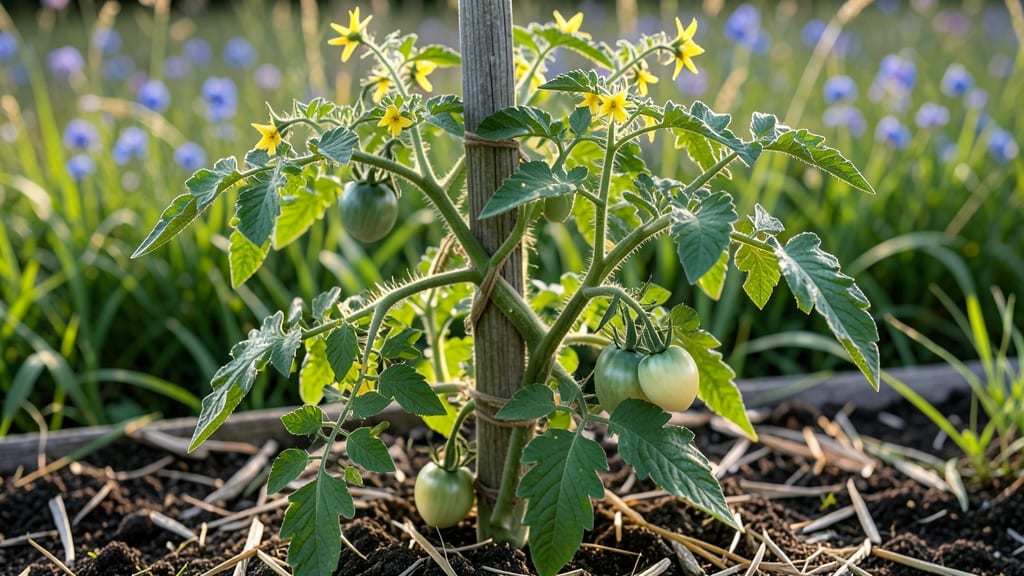
The Blue Cream Berries tomato is the one striped heirloom that keeps giving—even after frost. 🌱 I planted mine last spring, and by midsummer, the vines were heavy with sweet, striped fruit that tasted like summer in every bite.
Unlike most tomatoes, this perennial variety comes back year after year if you protect it through winter. You'll need well-draining soil rich in organic matter, 6+ hours of sunlight daily, and a trellis or cage to support its sprawling growth. The key to success?
Consistent moisture—1-1.5 inches per week—and regular pruning to encourage air circulation. This tomato thrives in USDA zones 4-9, making it one of the hardiest varieties for northern gardeners. Once established, you'll harvest pint-sized, striped fruits from mid-summer until frost, with flavors that deepen as the season progresses.
The plants handle heat and humidity better than most, and their compact size makes them perfect for containers or small gardens. The real magic happens in year two: established plants produce twice as much fruit with minimal care.
Just watch for hornworms (they love these tomatoes!) and blight, and you'll have a perennial harvest that outperforms annual varieties every time.
📚 In This Guide
- What you need
- Instructions
- Tips and common mistakes
- Wrapping up and next steps
What you need
- ● Seeds or Seedlings: 3–5 Blue Cream Berries tomato seeds (or young plants from a nursery).
- ● Containers or Garden Bed: Containers: 5-gallon pots (1 per plant) with drainage holes.
- ● Garden Bed: Full sun (6+ hours/day) and well-draining soil.
- ● Potting Mix: 1 bag (1.5–2 cubic feet) of high-quality, organic potting soil (or garden soil amended with compost).
- ● Fertilizer: Balanced organic fertilizer (e.g., 5-5-5 or 10-10-10, 1 lb per 10 sq ft).
- ● Compost or worm castings (1 cup per plant at planting).
- ● Support System: 1–2 tomato cages (6+ ft tall) or bamboo stakes (6–8 ft) per plant.
- ● Mulch: Straw or shredded leaves (2–3 inches thick) to retain moisture.
- ● Drip irrigation system or soaker hose for consistent watering.
- ● Pruning shears (for shaping plants and removing suckers).
- ● Row covers (frost cloth) if planting early in cool climates.
- ● Copper tape or tomato collars to deter pests like hornworms.
How to grow Blue Cream Berries tomatoes for year-round harvests
This cold-hardy variety rewards patience with striped beauty and frost tolerance—here's how to cultivate it like a pro.
🌱 Step 1: Select the Perfect Planting Location
Blue Cream Berries thrives in full sun with at least 6-8 hours of direct light daily. Choose a spot that receives morning sun and afternoon shade if your summers are particularly hot—this prevents sunscald on the fruit. The plant's perennial nature means you'll want well-draining soil that stays moist but never soggy.
I always test soil pH before planting. Aim for a slightly acidic range of 6.0-6.8. If your soil is heavier clay, amend it with 2-3 inches of compost mixed into the top 12 inches of soil. The plant's deep roots will thank you by producing stronger stems and more abundant fruit over multiple seasons.
☀️ Step 2: Prepare the Soil and Plant at the Right Time
Spring is the ideal time to plant Blue Cream Berries, but don't wait until the last frost date—this variety benefits from early establishment. Work 2 inches of compost into the planting area, then create a hole just slightly larger than the root ball. The plant's perennial habit means it will spread, so space transplants 3-4 feet apart in all directions.
Gently remove the plant from its container and loosen any circling roots with your fingers. Place it in the hole so the top of the root ball sits 1 inch below soil level. This ensures good root contact with the surrounding soil. Water deeply immediately after planting to settle the soil and eliminate air pockets around the roots.
💧 Step 3: Water Deeply and Maintain Consistent Moisture
Blue Cream Berries has exceptional drought tolerance once established, but young plants need consistent moisture. Water 1-2 inches per week, aiming for deep waterings that penetrate 6-8 inches into the soil. You'll know you've watered enough when the top 2-3 inches of soil feel damp but not saturated.
I use drip irrigation for my plants because it delivers water directly to the root zone without wetting the foliage—this prevents fungal diseases that can plague tomato plants. Mulch with 2-3 inches of straw or shredded leaves to retain moisture and regulate soil temperature. The plant's ability to produce fruit through frost means you'll want to keep the soil consistently moist even as temperatures drop.
✂️ Step 4: Prune for Airflow and Support the Plant
Blue Cream Berries benefits from regular pruning to improve airflow and direct energy toward fruit production. Remove any suckers that form in the leaf axils—these are the small shoots that grow between the main stem and branches. Prune when suckers are 2-3 inches long to prevent them from competing with the main plant.
Install a sturdy 6-foot tomato cage or trellis at planting time. The plant's indeterminate growth habit means it will continue producing fruit all season, so strong support prevents stems from snapping under the weight. Prune lower leaves regularly to keep them off the ground, reducing the risk of soil-borne diseases.
🌿 Step 5: Harvest and Prepare for Winter Dormancy
Blue Cream Berries tomatoes ripen gradually, so harvest when they develop their characteristic blue-green striped pattern and are fully firm. The plant's ability to produce fruit through light frosts means you can continue harvesting until temperatures drop below 20°F. I always harvest in the morning when fruits are cool and firmest.
After the first hard frost, cut back the plant to 6 inches above ground level. The plant's perennial nature means it will regrow from the base in spring. Apply a 2-inch layer of mulch around the base to protect the crown from freezing temperatures. This variety's cold hardiness means it will often survive winters with minimal protection, but the extra mulch ensures vigorous regrowth in spring.
Tips & tricks for perfect Blue Cream Berries tomato cultivation
Took me years of trial and error to master these cold-hardy beauties—here's what actually makes the difference between a struggling plant and a thriving perennial powerhouse.
Sunlight Strategy: While the instructions call for 6-8 hours of sun daily, I've found that splitting this exposure between morning and late afternoon—rather than all at once—prevents sunscald on the striped fruit. In hot climates, use shade cloth during peak afternoon sun (2-4 PM) when temperatures exceed 85°F. The plant's unique striped pattern actually helps reflect some sunlight, but too much direct midday heat can still cause stress.
Soil Science: The 6.0-6.8 pH range is crucial, but don't stop at the numbers—focus on the texture. Blue Cream Berries thrives in soil that feels like a well-wrung sponge: firm enough to support roots but loose enough to drain freely. I've had the most success with a mix of 60% native soil, 30% compost, and 10% perlite. The deep roots (up to 3 feet) need this aeration to access nutrients during winter dormancy.
Watering Wisdom: The 1-2 inch weekly guideline works, but timing matters more than quantity. Water in the early morning (5-7 AM) when evaporation is lowest, and avoid wetting the foliage entirely. I've switched to soaker hoses with adjustable flow rates—this delivers water directly to the root zone without creating damp leaf conditions that invite fungal diseases. The mulch layer (2-3 inches) should always stay slightly damp to the touch, never soggy.
Winter Prep: That 6-inch pruning after first frost isn't just about aesthetics—it's about protecting the crown. I've found that adding a 2-inch layer of straw mulch AND covering the base with a thick layer of leaves creates an insulating blanket that maintains soil temperatures above freezing. This simple layering technique has helped my plants survive winters with temperatures down to 10°F without losing their perennial vigor.
Pro Tips for Blue Cream Berries Tomato
- Took me years of trial and error to master these cold-hardy beauties—here's what actually makes the difference betwee...
- Sunlight Strategy: While the instructions call for 6-8 hours of sun daily, I've found that splitting this exposure be...
- Soil Science: The 6.0-6.8 pH range is crucial, but don't stop at the numbers—focus on the texture. Blue Cream Berries...
Frequently asked questions
Got questions about growing and enjoying Blue Cream Berries tomatoes? You're not alone—this striking striped heirloom has its own quirks! Here are answers to the most common queries to help you cultivate success.
Are Blue Cream Berries tomatoes easy to grow for beginners?
This Solanum lycopersicum variety is a perennial in frost-free zones (USDA 8-11) and thrives with minimal fuss. Plant in well-draining soil with full sun (6+ hours/day), and water consistently. Just watch for blossom-end rot—keep soil moisture even to prevent it. Pro tip: Mulch to retain moisture and deter weeds!
Can Blue Cream Berries tomatoes survive light frost?
Yes! Unlike annual tomatoes, this hardy perennial tolerates light frosts down to 25°F (-4°C). In colder climates, protect plants with row covers or move pots indoors. Prune damaged foliage in spring to encourage new growth. Timing tip: Harvest before hard freezes (below 20°F/-7°C) to preserve flavor.
What do Blue Cream Berries tomatoes taste like?
Expect a sweet, tangy flavor with a juicy, meaty texture—less acidic than standard tomatoes. Their striped skin hides a rich, balanced taste perfect for slicing, sauces, or fresh eating. Nutrition note: Packed with lycopene (antioxidant) and vitamin C!
What can I substitute if I can’t find Blue Cream Berries seeds?
Try these similar heirloom varieties:
- Indigo Rose – Deep purple skin, sweet flavor.
- Cherokee Purple – Rich, smoky taste.
- Brandywine – Classic beefsteak texture.
For striped looks, seek out ‘Striped Roman’ or ‘Black Krim’ (though flavors differ).
Why are my Blue Cream Berries tomatoes cracking?
Cracking usually means uneven watering—soak roots deeply 1–2x/week (avoid overhead sprinkling). For prevention:
- Mulch heavily to stabilize soil moisture.
- Harvest when 70–80% ripe (they’ll ripen off-vine).
- Prune lower leaves to improve airflow.
Quick fix: Use cracked tomatoes in sauces or salsas—they’re still delicious!
Wrapping up and next steps
Growing blue cream berries tomatoes is a rewarding journey that brings beauty, flavor, and resilience to your garden—even through frost! 🌱 These striped, heirloom gems thrive with minimal fuss, offering a unique twist on classic tomatoes while packing a burst of tangy-sweet taste.
Whether you're a seasoned gardener or a curious beginner, their adaptability makes them a must-try for any plot.
Ready to dive in? Start by sourcing seeds or seedlings from trusted suppliers, then sketch out your planting plan with the tips above. Before you know it, you’ll be harvesting those stunning striped fruits and sharing the bounty with friends.
Happy growing—your future self (and taste buds) will thank you! 🍅✨