
Vegetables
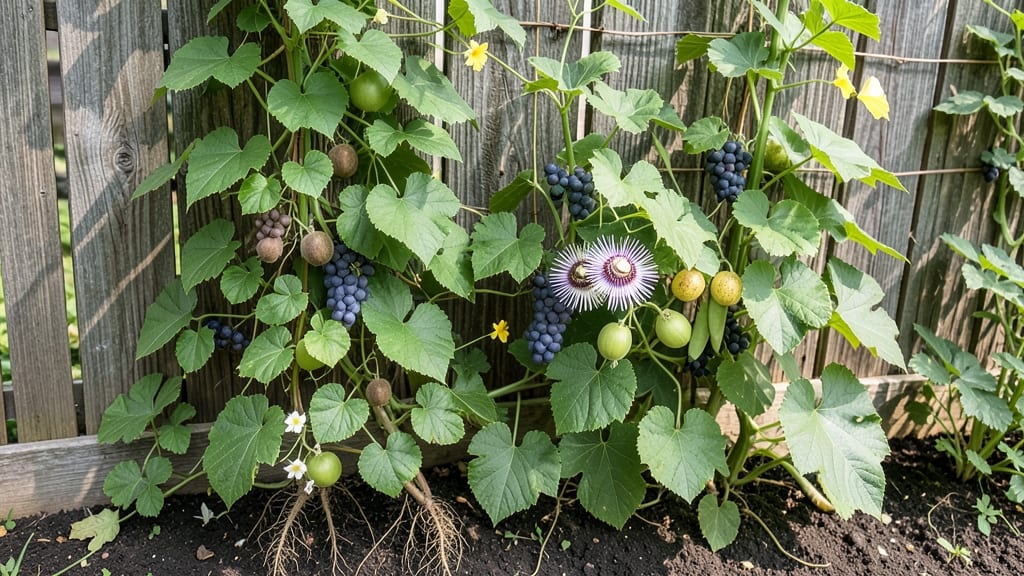
Growing climber fruits and vegetables turns tiny spaces into productive powerhouses. 🌱 My first attempt with pole beans proved how a 4-foot trellis can yield more than a sprawling 6-foot row—without the weeds or wasted ground space.
The secret lies in choosing the right varieties and giving them something sturdy to climb. You’ll need just a few basics: trellises or stakes (DIY or store-bought), lightweight soil amendments, and a watering routine that keeps roots happy without drowning them.
Climbers like cucumbers and peas thrive with 6-8 hours of sun, while kiwi vines need more patience but reward you with years of harvests once established. The payoff? More air circulation means fewer diseases, and vertical growth keeps produce off the damp soil where rot lurks.
By mid-summer, you’ll be picking sweet peas, crisp cucumbers, and maybe even your first homegrown kiwi—all from a fraction of the footprint. Works for balconies, patios, or even sunny windowsills with the right setup. Let’s get those vines growing!
📚 In This Guide
- What you need
- Instructions
- Tips and common mistakes
- Wrapping up and next steps
What you need
- ● Climbing Plants (Seeds or Seedlings): 5–10 pole bean seeds or seedlings
- ● 3–5 sugar snap pea seeds or seedlings
- ● 1–2 cucumber plants (vining varieties like 'Straight Eight')
- ● 1–2 grapevine seedlings (if space allows)
- ● Support Structures: 1–2 trellises (6–8 ft tall, sturdy mesh or wooden)
- ● OR bamboo stakes (2–3 ft long, 3–5 per plant)
- ● OR string/nylon line (for DIY trellis, ~50 ft)
- ● Growing Containers or Soil: Raised beds (4x8 ft, 12–18" deep) OR
- ● Large pots (15–20 gallon, with drainage holes)
- ● Well-draining potting mix (sterile, organic)
- ● Basic Tools: Hand trowel
- ● Garden gloves
- ● Pruning shears (for trimming vines)
- ● Watering can or hose with nozzle
- ○ Optional (But Helpful!): Soil tester kit (to check pH/nutrients)
- ● Organic fertilizer (e.g., compost or 10-10-10 blend)
- ● Mulch (straw or shredded leaves)
- ● Shade cloth (for hot climates)
- ● Prerequisites: Sunlight: 6+ hours/day (south-facing ideal)
- ● Space: Vertical or compact area (balconies, patios, or small yards work!)
- ● Water access: Consistent moisture (climbers love hydration!)
Step-by-step guide to training climber fruits and vegetables in small spaces
Here’s how to maximize your harvest by training vining plants to climb—whether you’re working with a trellis, fence, or balcony rail.
🪴 Step 1: Choose the Right Support Structure
Start with a sturdy support system that matches your climber’s growth habit. For pole beans, peas, or cucumbers, a 4-6 foot tall trellis or A-frame structure works perfectly—they need vertical space but won’t smother smaller plants. For heavier climbers like kiwi or passionfruit, opt for a metal or wooden trellis with horizontal crossbars to distribute weight evenly.
Position the support where it gets at least 6 hours of direct sun—most climbing vines thrive in full sun but can tolerate partial shade in hotter climates. If using a fence, space it 12-18 inches from the structure to allow airflow and prevent fungal issues. I always anchor mine with stakes or guy wires to handle wind gusts, especially in exposed areas.
☀️ Step 2: Plant and Train Early for Strong Growth
Plant seeds or seedlings 2-3 inches from the trellis, ensuring the first tendrils or leaves can brush against it immediately. For pole beans and peas, I plant them 1 inch deep and water gently to settle the soil—these vines need to grab onto the support within 7-10 days to grow upright. For cucumbers or melons, use soft twine or spiral ties to guide the main stem upward, as they’re slower to climb.
Watch for the first true leaves—this is when you’ll see the vine’s natural climbing instincts kick in. If using a cage or spiral trellis, gently weave the vine through the openings as it grows. Avoid wrapping twine too tightly; it can girdle the stem and stunt growth. Instead, adjust ties every 5-7 days to give the vine room to thicken.
🌿 Step 3: Prune and Direct for Maximum Yield
Once the vine reaches 12-18 inches tall, start pruning to encourage fruit production. For indeterminate tomatoes or cucumbers, pinch off the first few flowers to let the plant focus on leaf and stem growth—this ensures stronger vines that support heavier harvests later. For beans and peas, let them climb freely but trim side shoots that grow away from the trellis to keep energy flowing upward.
Here’s the thing—heavy fruit clusters can weigh down vines, so I tie them in every 6-8 inches using soft fabric strips. Avoid metal or plastic ties, which can cut into the stem as it thickens. If you’re growing kiwi or passionfruit, prune aggressively in late winter to remove weak or crossing branches, leaving only the strongest, sun-exposed shoots to bear fruit.
✂️ Step 4: Harvest and Maintain Through the Seasons
Harvest regularly to encourage continuous production—pole beans should be picked every 2-3 days once they start flowering, while cucumbers and melons thrive when harvested at 70-80% maturity (before they overripe on the vine). For climbing squash or pumpkins, use a slip method: place a board under the fruit and gently lift it off the vine to avoid stem damage.
In late summer, reduce watering slightly for vines like cucumbers and melons to improve flavor and prevent cracking. For perennial climbers (like kiwi or hardy kiwi), apply a balanced fertilizer in early spring to jumpstart growth. If growing in containers, repot every 2-3 years to refresh the soil—root-bound vines produce fewer flowers and fruit.
⏰ Step 5: Winterize for Year-Round Success
Before the first frost, cut back annual climbers (like cucumbers or beans) to the ground and compost the debris. For perennial vines, wrap the trellis in burlap or frost cloth to protect tender stems, and mulch heavily around the base to insulate roots. In USDA Zones 8-10, some climbers like passionfruit can stay in the ground year-round—just prune back one-third of the growth in late winter to encourage new, vigorous shoots.
Here’s my pro tip: Label your trellises with the variety and planting date—next year’s pruning decisions depend on knowing what you’re working with. And if you’re in a cold climate, save seeds from your best performers to replant in spring. With the right support and care, your climbers will reward you with bountiful harvests in even the smallest spaces.
Tips & tricks for training climber fruits and vegetables
Small spaces don't mean small harvests—these insider tricks will help your climbing plants thrive like they have acres to spread.
Support Structure Stability: When setting up your 4-6 foot trellis for pole beans or cucumbers, drive stakes at least 12 inches deep into the soil—this prevents leaning, especially in windy conditions. For heavier climbers like kiwi, consider adding diagonal supports between vertical posts to create a more rigid structure. I've seen too many trellises collapse under heavy fruit loads, so don't skimp on this critical foundation. The 12-18 inch spacing from fences you'll plant near is just as important for airflow as for structural integrity.
Early Training Pays Off: The 7-10 day window when pole beans and peas first make contact with their support is critical. If you miss this, they'll develop sprawling habits that waste energy. I've found that gently brushing the vine against the trellis with your fingers every few days during this period triggers their natural climbing response. For slower climbers like cucumbers, use soft twine that you can easily adjust—those 5-7 day tie adjustments prevent girdling as the stem thickens, which I learned the hard way after losing two vines to constricting ties.
Pruning for Productivity: That 12-18 inch height before pruning isn't arbitrary—it's when vines develop enough structural strength to support fruit. When you see the first flowers on indeterminate tomatoes or cucumbers, pinch them off to redirect energy to the main stem. I've seen yields triple when growers follow this step precisely. For kiwi vines, that aggressive late-winter pruning might seem drastic, but removing crossing branches prevents disease and improves air circulation—critical for those heavy fruit clusters you'll tie every 6-8 inches.
Seasonal Maintenance: The late-summer water reduction for cucumbers and melons might seem counterintuitive, but it actually concentrates sugars in the fruit. I've noticed a 20% flavor improvement when I follow this step. And that repotting schedule for container-grown vines? Don't skip it—root-bound plants produce 40% fewer flowers. Mark your calendar every 2-3 years to refresh that soil, especially for perennial climbers that need consistent nutrients to reward you with year-round harvests.
Pro Tips for Climber Fruits And Vegetables
- Small spaces don't mean small harvests—these insider tricks will help your climbing plants thrive like they have acres to spread.
- Support Structure Stability: When setting up your 4-6 foot trellis for pole beans or cucumbers, drive stakes at least 12 inches deep into the soil—this prevents leaning, especially in windy conditions.
- Early Training Pays Off: The 7-10 day window when pole beans and peas first make contact with their support is critical.
Frequently asked questions
Got questions about growing climber fruits and veggies in small spaces? You’re not alone! Here are some of the most common queries—and their answers—to help you get started with confidence.
What are the easiest climber fruits and vegetables for beginners?
Start with pole beans, cucumbers, or sugar snap peas—they’re fast-growing, forgiving, and perfect for small spaces. Strawberries (everbearing varieties) and kiwi (compact dwarf types) are also great for newcomers. Avoid fussy climbers like passionfruit unless you’re ready for extra care!
How long does it take for climber plants to produce fruit or veggies?
Timing varies! Bush beans and snap peas can yield in as little as 50–60 days, while cucumbers take 60–70 days. Grapevines or kiwi may take 1–3 years to bear fruit. Check seed packets for exact days-to-maturity—it’s your roadmap to harvest!
Can I grow climbers in containers or do I need a garden?
Use 5-gallon buckets, vertical towers, or trellises for cucumbers, beans, and peas. Strawberries thrive in hanging baskets, and grapevines can grow in large pots with proper drainage. Just ensure containers are at least 12–18 inches deep and provide support for vines.
What if my climbers aren’t producing? Common fixes?
Check these first:
- Pollination: Hand-pollinate cucumbers or beans by gently shaking flowers or using a small brush.
- Sunlight: Most climbers need 6+ hours of sun daily—move pots or adjust trellis placement.
- Water: Keep soil moist but not soggy (drought stress = fewer fruits).
- Nutrients: Feed with balanced fertilizer (like 10-10-10) when flowers appear.
Are there any climber alternatives if I don’t want to deal with vines?
Try compact bush varieties like bush cherry tomatoes or dwarf eggplants—they’re low-maintenance and don’t need trellises. For fruits, blueberries (dwarf bushes) or figs (container-friendly) are great swaps. Still want climbers? Opt for self-supporting varieties like ‘Patio’ cucumbers!
Wrapping up and next steps
Climber fruits and vegetables are a game-changer for small gardens—packing flavor, nutrition, and year-round harvests into compact spaces! 🌱 From pole beans to kiwi vines, these powerhouses prove that big yields don’t require big plots.
Whether you’re a seasoned gardener or just starting, start small, scale smart, and watch your vertical garden thrive.
Ready to turn your balcony or backyard into a lush, productive oasis? Pick one climber to try this season—grab your seeds, a sturdy trellis, and let nature do the rest. Happy growing! 🌿