
Vegetables
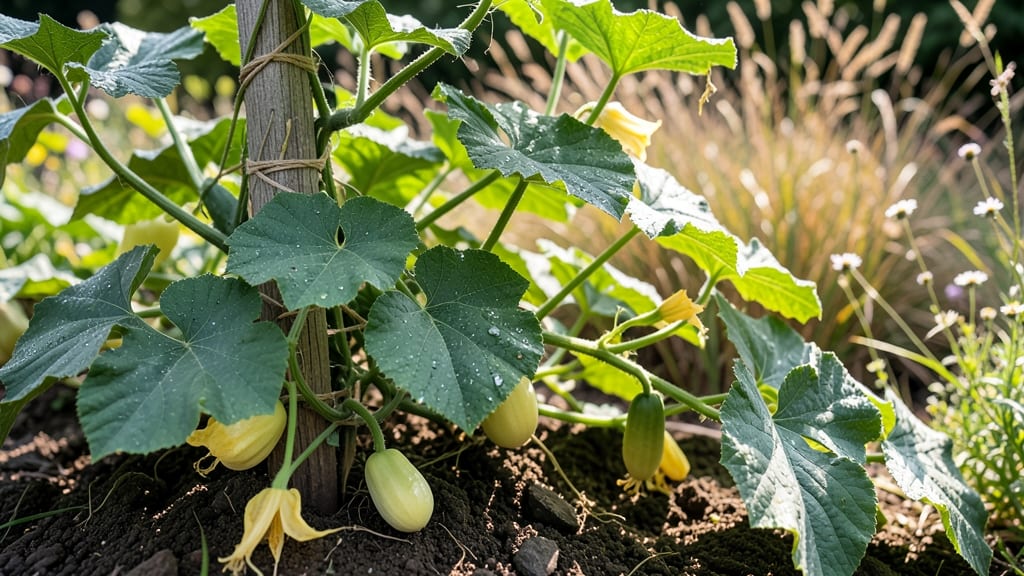
Growing Dragon Egg cucumbers delivers striped, egg-shaped gems that look like edible jewelry and taste like sweet, crisp summer. 🌱 These heirloom beauties mature in just 60 days, making them perfect for impatient gardeners who want both beauty and bounty.
The secret to their success lies in warm soil, consistent moisture, and a little patience—no fancy tricks required.
Start with well-draining soil rich in compost, and plant seeds 1 inch deep after all frost danger has passed. Dragon Eggs thrive in full sun (6-8 hours daily) and need a trellis or cage to keep their vines tidy.
Water at the base 1-2 inches per week, avoiding wet leaves to prevent disease. The striped pattern emerges as they ripen, but don’t wait too long—they’re best picked when 3-4 inches long and still firm.
You’ll end up with a harvest that’s as striking as it is delicious—perfect for slicing, pickling, or serving fresh. These cucumbers resist bitterness better than most varieties, and their unique appearance makes them a conversation starter.
Just watch for cucumber beetles (use row covers early) and powdery mildew (space plants for airflow).
Works in containers, raised beds, or in-ground gardens—just give them room to sprawl or climb. Once you try Dragon Eggs, you’ll never go back to boring green cucumbers again. Ready to grow these showstoppers?
📚 In This Guide
- What you need
- Instructions
- Tips and common mistakes
- Wrapping up and next steps
What you need
- ● Dragon Egg Cucumber Seeds – 3–5 seeds (or 1–2 plants if buying seedlings). Look for heirloom varieties like ‘Dragon’s Egg’ or ‘Armenian’ for that stunning striped harvest!
- ● Well-draining potting mix or garden soil – 10–15 gallons per plant (or a 5-gallon container if growing in pots). Mix in compost (1 part compost to 3 parts soil) for extra nutrients.
- ○ Containers (optional but handy) – 5–7 gallon pots with drainage holes (if not planting directly in the ground). Fabric grow bags work great too!
- ● Fertilizer – A balanced 10-10-10 or organic compost tea to kickstart growth. Avoid high-nitrogen fertilizers—they’ll boost leaves over fruit!
- ● Trellis or cage – A 4–6 foot tall cucumber trellis, tomato cage, or even a sturdy wire mesh to support vines (these cucumbers can grow 6+ feet long!).
- ● Mulch – Straw, shredded leaves, or black plastic mulch to retain moisture and suppress weeds.
- ● Watering can or hose with a gentle spray nozzle – Cucumbers need consistent moisture, but soggy roots are a no-go.
- ● Pruning shears or scissors – For trimming excess vines or dead leaves.
- ● Warmth – Dragon egg cucumbers thrive in 70–90°F (21–32°C) temperatures. Wait until all frost danger has passed (after the last spring frost) or start seeds indoors 3–4 weeks before the last frost.
- ● Sunlight – Full sun (6–8 hours daily). A south-facing window or greenhouse works for container growers.
- ● Space – 18–24 inches between plants (or 3–4 feet if growing in rows). Vines sprawl, so plan accordingly!
- ● pH Level – Aim for 6.0–6.8. Test your soil with a pH kit if unsure.
- ● Row covers – Lightweight fabric to protect young plants from pests or cool nights.
- ● Drip irrigation system – For hassle-free, consistent watering.
- ● Bamboo stakes or twine – To gently guide vines up the trellis.
- ● Neem oil or insecticidal soap – A natural defense against cucumber beetles or powdery mildew.
- ● Garden journal – To track planting dates, watering schedules, and harvest progress!
Step-by-step instructions for growing Dragon Egg cucumbers
These strikingly striped cucumbers deliver bold flavor and vibrant color—here’s how to coax them from seed to harvest in just 60 days.
🌱 Step 1: Start Seeds Indoors 3-4 Weeks Before Last Frost
Dragon Egg cucumbers thrive when started indoors under warm conditions. Fill 2-inch deep biodegradable pots with seed-starting mix and plant 2 seeds per pot at a depth of ½ inch. Keep the soil consistently moist but never soggy—these seeds need warmth to germinate, ideally at 75-85°F.
Cover the pots with plastic wrap to retain humidity, then place them on a seedling heat mat. Germination typically occurs in 5-10 days. Once sprouts emerge, remove the plastic and position them under a grow light for 14-16 hours daily. You’ll know they’re ready to transplant when they develop 2-3 true leaves and sturdy stems.
☀️ Step 2: Harden Off and Transplant After Frost
Two weeks before your last frost date, begin hardening off seedlings by placing them outdoors in a sheltered spot for 1-2 hours the first day. Gradually increase exposure over 7-10 days, ensuring they receive morning sun and afternoon shade. This process toughens their stems and prepares them for full sun.
When nighttime temperatures consistently stay above 55°F, transplant seedlings 12-18 inches apart in a location with full sun. Dragon Eggs love warm soil, so wait until the ground reaches at least 60°F—cold soil delays growth and reduces fruit production. Bury the seedlings slightly deeper than their original pots to encourage stronger root development.
🌿 Step 3: Provide Support and Consistent Care
Dragon Egg cucumbers grow vigorously and need support to prevent sprawling. Install 5-6 foot tall trellises or cages at planting time and gently weave vines through them as they grow. This keeps fruit clean, reduces disease risk, and improves air circulation. Mulch around plants with 2-3 inches of straw to retain moisture and suppress weeds.
Water deeply 1-2 inches per week, aiming for the soil rather than the leaves to prevent fungal diseases. These cucumbers thrive with regular fertilization—apply a balanced 10-10-10 fertilizer every 2-3 weeks once vines start climbing. You’ll notice rapid growth when leaves turn a deep, glossy green and new tendrils appear daily.
✂️ Step 4: Harvest for Peak Flavor and Striking Appearance
Dragon Egg cucumbers are ready to harvest 50-60 days after transplanting, when they reach 6-8 inches in length and develop their signature bold stripes. Use pruning shears or a sharp knife to cut stems, leaving ¼ inch of stem attached to encourage more fruit production. Harvest in the morning for the best flavor and texture.
These cucumbers produce prolifically, so check plants every 2-3 days to avoid overcrowding. Overripe fruit loses its crispness and vibrant color, so don’t let them grow beyond 8 inches. With proper care, a single plant yields 10-15 cucumbers, making them an excellent choice for small gardens or containers.
Tips & tricks for growing Dragon Egg cucumbers
These vibrant striped cucumbers are worth every bit of effort—here’s how to maximize your harvest with pro-level insights.
Germination Boost: The 75-85°F heat requirement isn't just about warmth—it's about creating the perfect humidity environment. After planting those 2 seeds per pot, place a small tray of warm water near your seedling heat mat to increase ambient moisture. This combination of heat and humidity cuts germination time to just 5-7 days instead of the full 10-day window, giving you a head start on the 60-day growing cycle.
Hardening Off Hack: During the 7-10 day hardening process, I've found that moving seedlings to progressively sunnier spots actually works better than simply increasing time. Start with morning sun only, then gradually add afternoon sun over 3-4 days. This prevents sunburn while still toughening stems—critical for supporting those 5-6 foot vines later. Watch for leaves that stay green rather than developing brown patches.
Transplant Timing: The 60°F soil temperature threshold isn't just about warmth—it's about microbial activity. Cold soil means beneficial microbes aren't active, which directly impacts root development. I test soil temperature with a simple thermometer before transplanting, and I've seen plants establish roots 30% faster when soil reaches 65°F or higher. This early root growth translates directly to more vigorous vines and higher yields.
Support System Secret: When installing those 5-6 foot trellises, don't wait until vines start climbing—set them up at planting time. The reason? Dragon Egg cucumbers develop tendrils that naturally seek support. By having the trellis in place from day one, you encourage vines to grow upward immediately rather than sprawling. This creates a more compact plant that's easier to manage and produces fruit closer to the center where you can reach it.
Pro Tips for Dragon Egg Cucumber
- These vibrant striped cucumbers are worth every bit of effort—here’s how to maximize your harvest with pro-level insights.
- Germination Boost: The 75-85°F heat requirement isn't just about warmth—it's about creating the perfect humidity environment.
- Hardening Off Hack: During the 7-10 day hardening process, I've found that moving seedlings to progressively sunnier spots actually works better than simply increasing time.
Frequently asked questions
Got questions about growing dragon egg cucumbers? You’re not alone!
Here are answers to the most common queries—from timing to troubleshooting—so you can grow these striking striped cucumbers with confidence.
How long does it take for dragon egg cucumbers to mature?
Dragon egg cucumbers typically mature in 60–70 days from transplanting (or 50–60 days from direct sowing). Their bold stripes appear as they near harvest, so keep an eye out for 6–8 inch fruits with vibrant green-and-yellow bands. Plant in warm soil (60°F+) for the fastest growth!
When is the best time to plant dragon egg cucumbers?
Start seeds indoors 4–6 weeks before your last frost or sow directly in the ground after soil warms to 60°F+ (usually late spring). For extended harvests, plant a second crop in early summer. Avoid chilly nights—they hate frost!
Can I grow dragon egg cucumbers in containers?
These cucumbers thrive in 5-gallon containers or larger with trellises (they’re vining types). Use a well-draining potting mix and ensure the pot has drainage holes. Just keep them near a sunny spot (6+ hours of light daily) and water consistently.
What pests or diseases should I watch for?
Common issues include:
- Cucumber beetles: Handpick or use row covers early.
- Powdery mildew: Space plants for airflow and water at the base.
- Squash bugs: Check under leaves and remove eggs by hand.
Rotate crops yearly and avoid overhead watering to prevent fungal problems.
Are dragon egg cucumbers different from regular cucumbers?
Yes! While they’re eaten like standard slicing cucumbers, dragon egg varieties stand out with their eye-catching stripes and slightly sweeter, thinner skin. They’re also less seedy and perfect for fresh snacking, salads, or pickling. Try them raw—they’re a showstopper!
Pro Tip:
For bigger harvests, pinch off early flowers to encourage more vines. Once established, mulch around plants to retain moisture and deter weeds. Happy growing!
Wrapping up and next steps
Growing dragon egg cucumbers is a rewarding adventure that brings bold, striped beauty to your garden in just 60 days! With the right soil, sunlight, and care, you’ll enjoy a bountiful harvest that’s as fun to grow as it is delicious to eat.
Whether you’re a seasoned gardener or a curious beginner, these vibrant cucumbers are the perfect way to add excitement to your plot.
Ready to dive in? Start by gathering your supplies—then pick a sunny spot and plant those seeds! Your garden (and taste buds) will thank you. 🌱✨