
Vegetables
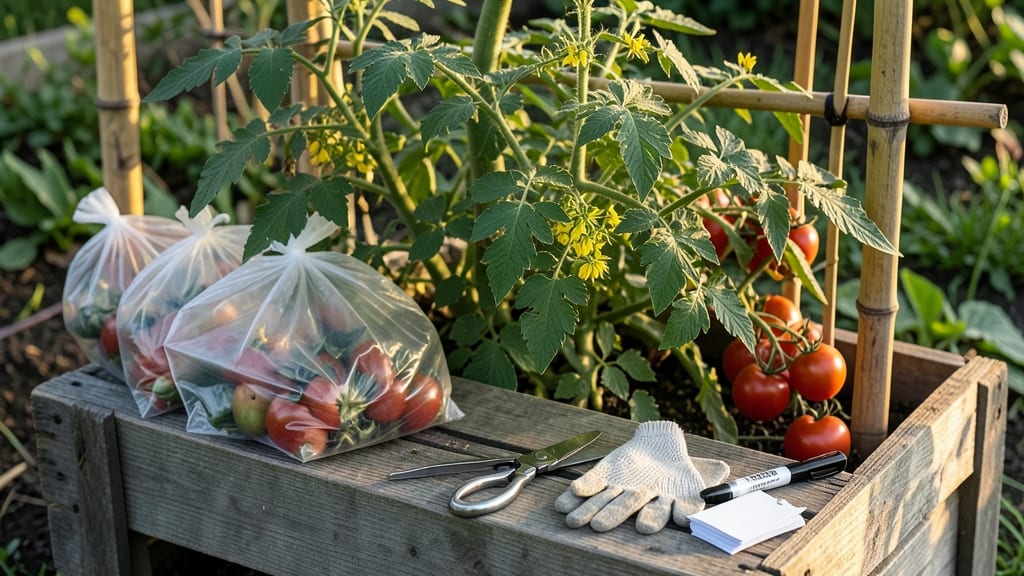
Storing tomatoes in freezer bags saves summer's bounty without canning jars or pantry space. ✨ The trick lies in proper prep—washing, blanching, and sealing them in airtight bags to lock in flavor and texture for months.
My first batch turned mushy, but now I get vibrant, restaurant-quality tomatoes straight from the freezer.
You’ll need ripe tomatoes, quart-sized freezer bags, a sharp knife, and boiling water for blanching. The process takes about 30 minutes but prevents freezer burn and ice crystals that ruin texture. Start by washing tomatoes thoroughly—dirt hides in crevices and spoils the batch.
After blanching, the skins slip off easily, and the tomatoes stay firm when frozen. You’ll end up with a stash that tastes like peak summer, ready for sauces, salsas, or roasted dishes anytime. The key is removing all air before sealing—this stops freezer burn dead in its tracks.
Common mistakes? Overfilling bags or skipping blanching—both lead to soggy results. For best flavor, use tomatoes at their ripest before freezing. Store bags flat in the freezer to save space, and they’ll keep for up to a year without losing quality.
📚 In This Guide
- What you need
- Instructions
- Tips and common mistakes
- Wrapping up and next steps
What you need
- ● Fresh tomatoes: 2–3 lbs (about 6–8 medium tomatoes), ripe but firm. Choose heirloom, Roma, or vine-ripened varieties for best texture.
- ● Freezer bags: 4–6 quart-sized (ziplock or reusable silicone bags) with sealable edges. Avoid thin, flimsy bags—they won’t hold up to freezing.
- ● Cutting board: A sturdy, food-safe board (plastic or wood) to chop tomatoes safely.
- ● Sharp knife: A chef’s knife or tomato slicer for clean cuts.
- ● Ladle or spoon: For transferring chopped tomatoes into bags.
- ● Paper towels or clean kitchen towel: To pat tomatoes dry and remove excess moisture.
- ○ Optional but helpful: A vacuum sealer (to remove air and prevent freezer burn) or a straw (to push out excess air before sealing).
- ● Time: 15–20 minutes for prep + 1–2 hours for freezing (if using a vacuum sealer).
- ● Space: A deep freezer (or a well-organized freezer with flat storage) to lay bags flat for even freezing.
- ● Knowledge: Basic knife skills (or a tomato chopper to speed things up!).
How to preserve tomatoes in freezer bags for year-round flavor
Here’s my go-to method for locking in summer’s sweetness—no canning skills required.
🌱 Step 1: Select and Prep the Tomatoes
Pick tomatoes at peak ripeness—slightly soft with vibrant color. Wash them gently to remove dirt, then pat dry with a clean towel. I like to trim off the stems and slice them into ½-inch thick rounds or crush them by hand for sauces. The smaller the pieces, the faster they’ll freeze, but whole tomatoes work too if you prefer.
For best texture, blanch whole tomatoes or large chunks in boiling water for 30-60 seconds, then plunge into ice water to stop cooking. This prevents mushiness later. Skip blanching for sauces or crushed tomatoes—they’ll soften naturally during freezing.
💧 Step 2: Pack Tomatoes Into Freezer Bags
Use quart-sized freezer bags with the air squeezed out before sealing. Portion tomatoes into bags based on how you’ll use them: 1 bag per 2-3 pints of tomatoes for sauces, or 1 bag per 4-5 tomatoes if freezing whole. Leave 1-inch headspace at the top—they’ll expand as they freeze.
Add a splash of lemon juice or olive oil (1 tablespoon per bag) to prevent browning and preserve color. Seal the bags tightly, then lay them flat on a tray to freeze. This prevents sticking and makes stacking easier later. I label each bag with the date and variety—trust me, you’ll forget!
☀️ Step 3: Freeze and Store Properly
Place the tray of bags in the freezer and let them freeze solid for 2-4 hours before stacking. Once frozen, transfer them to a labeled freezer bag or container. Properly stored, these tomatoes will keep their quality for up to 12 months—though I usually use them within 6 months for peak flavor.
When ready to use, thaw overnight in the fridge or microwave directly in the bag for sauces. Whole tomatoes can go straight from the freezer to recipes like soups or stews. Avoid refreezing thawed tomatoes—they’ll turn mushy faster.
✂️ Step 4: Use Your Preserved Tomatoes
Thawed tomatoes work perfectly in sauces, soups, or even as a base for homemade salsa. For sauces, I dump a bag directly into a pot and simmer until thickened. For whole tomatoes, add them to dishes in the last 10-15 minutes of cooking to avoid over-softening.
If you notice ice crystals or freezer burn after thawing, use the tomatoes immediately—they’ll still taste great but may lose some texture. This method keeps the flavor vibrant, so you’ll barely notice they’re frozen!
Tips & tricks for perfect freezer-bagged tomatoes
Avoid common pitfalls and maximize flavor when preserving tomatoes this way.
Selection Tip: Choose tomatoes that are ripe but still firm—overripe ones will turn mushy when frozen. Look for vibrant color and a slight give when gently squeezed. Heirloom varieties often freeze beautifully, but any ripe tomato works. If you're using cherry tomatoes, freeze them whole for easy portioning later.
Blanching Wisdom: That 30-60 second blanch in Step 1 is crucial for whole tomatoes—it preserves their shape and prevents mushiness. For sauces, skip blanching entirely as the natural softening during freezing will create a smooth texture. I like to use a large pot with ice water ready in a bowl beside it for quick transfers.
Packing Strategy: When packing your quart-sized bags, leave that 1-inch headspace—tomatoes expand as they freeze! If you're short on time, you can freeze the bags directly without pre-freezing on a tray, but they might stick together. For extra flavor, add a pinch of salt or a dash of Italian seasoning to each bag along with the lemon juice or olive oil.
Labeling System: I can't stress this enough—label every bag with the date and tomato variety. Use a permanent marker on the bag itself or attach a sticker. After 6 months, flavor starts to fade slightly, so knowing what you have makes all the difference. I also note if I added lemon juice or oil to each bag for easy reference later.
Pro Tips for Freezer Bag Tomatoes
- Avoid common pitfalls and maximize flavor when preserving tomatoes this way.
- Selection Tip: Choose tomatoes that are ripe but still firm—overripe ones will turn mushy when frozen.
- Blanching Wisdom: That 30-60 second blanch in Step 1 is crucial for whole tomatoes—it preserves their shape and prevents mushiness.
Frequently asked questions
Got questions about preserving tomatoes in freezer bags? You’re not alone! Here are some common concerns—and quick, easy answers to keep your summer harvest fresh for months.
Can I freeze tomatoes straight from the vine?
Not ideal! Tomatoes contain a lot of water, which can cause ice crystals and mushiness. Always blanch or peel them first—this removes skins and softens textures for smoother freezing. For whole tomatoes, blanch for 30–60 seconds; for sauces, cook them down before bagging.
How long do freezer-bagged tomatoes last?
Properly stored in airtight freezer bags (with excess air removed), tomatoes stay fresh for 8–12 months. Quality degrades over time, so label bags with dates! For best flavor, use them within 6–8 months in cooked dishes like soups or sauces.
What’s the best alternative if I don’t have freezer bags?
No problem! Use vacuum-sealed bags (like Ziploc’s Stor-it line) or glass jars for whole tomatoes (leave 1-inch headspace). For sauces, mason jars work well—just freeze them flat to save space. Avoid plastic containers; they can crack from ice expansion.
Why do my frozen tomatoes turn mushy when thawed?
This usually happens if you didn’t remove skins/seeds or froze them with too much water. For chunky tomatoes, pre-cook them in sauce form; for whole tomatoes, peel and core first. Squeeze out excess liquid before sealing bags to prevent ice crystals.
Can I use freezer-bagged tomatoes in raw dishes?
Not recommended! Freezing destroys cell structure, making tomatoes mealy and watery—perfect for cooking but not ideal for salads or salsas. Thaw and use them in soups, stews, or sauces instead. For raw dishes, opt for fresh or canned tomatoes.
Wrapping up and next steps
Preserving tomatoes in freezer bags is a game-changer for enjoying summer’s bounty year-round—no fancy equipment or complicated steps required!
Whether you’re prepping for sauces, soups, or smoothies, this method keeps nutrients locked in while saving you time and space. Now that you’re equipped with the know-how, grab those ripe tomatoes and get freezing! 🍅❄️
Ready to take it further? Experiment with flavors—add herbs, garlic, or a splash of balsamic vinegar before sealing for extra depth. Tag us in your creations!