
Vegetables
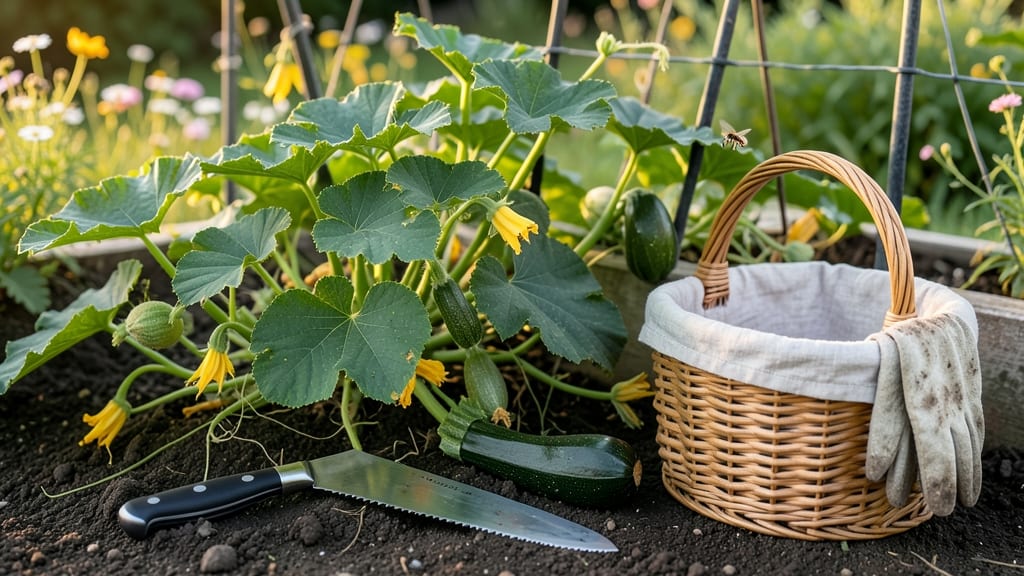
July’s garden is a cornucopia of the vegetables in season in July when you know what to grow—and when to harvest. 🌱 The trick isn’t just planting right; it’s timing the soil, the sun, and the pests to get the most from your summer crops.
In my zone 6 garden, July means harvesting tomatoes that burst with flavor, snapping peas that turn crisp in the pod, and basil so fragrant it makes the whole yard smell like a summer kitchen.
This is the month for succession planting too—quick-growing greens like lettuce and radishes thrive in the heat if you keep them watered and shaded. My go-to is a 50/50 mix of compost and native soil to keep roots cool, plus a layer of mulch to lock in moisture.
The key is watching the weather: after a heatwave, even heat-loving crops like zucchini and okra need extra water to keep producing.
You’ll end up with produce so fresh it’s almost criminal to buy anything from the store. Picture vine-ripened tomatoes that split open from their own sweetness, cucumbers so crisp they make store-bought ones taste like cardboard, and green beans that snap with every bite.
The secret? Harvesting regularly—don’t let anything linger on the vine, or the plant will shut down production.
Works for Northern Hemisphere gardens (where July is peak summer) or Southern Hemisphere winter growers planting cool-season crops like broccoli and carrots. Either way, the harvest will make your table—and your neighbors—green with envy.
📚 In This Guide
- What you need
- Instructions
- Tips and common mistakes
- Wrapping up and next steps
What you need
- ● Peak July Picks: 1 lb zucchini (medium-sized, firm)
- ● 1 pint cherry tomatoes (vibrant red/green)
- ● 1 head romaine lettuce (crisp, dark green leaves)
- ● 2 bell peppers (red/yellow, fresh and firm)
- ● 1 lb green beans (tender, bright green)
- ● 2 cucumbers (seedless, medium-sized)
- ● 1 bunch fresh basil (or 2 tbsp dried)
- ● 1 corn on the cob (or 1 cup kernels)
- ● 1 small eggplant (glossy, firm skin)
- ○ Optional Extras: 1 heirloom tomato (for gourmet dishes)
- ● 1 lb radishes (for crunchy salads)
- ● 1 bunch scallions (for garnishes)
- ● Sharp chef’s knife (8-inch) + peeler
- ● Cutting board (wood or plastic, 12x18 inches)
- ● Mixing bowls (2-3, various sizes)
- ● Colander (for washing greens)
- ● Measuring cups/spoons (for precision)
- ○ Optional: Mandoline slicer (for even veggie cuts)
- ○ Optional: Food processor (for quick salsas/dips)
- ● Basic knife skills (or willingness to learn!)
- ● Access to a farmers’ market or grocery store with fresh produce
- ● Time to prep (15-30 mins for chopping/washing)
- ● Pro Tip: Store greens (like romaine) in a damp towel in the fridge to keep them crisp!
How to identify and select peak July vegetables for summer harvests
July’s bounty delivers the sweetest, most flavorful vegetables of the year—here’s how to spot and pick them at their prime.
🌱 Step 1: Recognize July’s Signature Vegetables by Appearance
Start with the tomatoes—ripe ones should yield slightly when gently squeezed, with vibrant color all the way to the stem. Cherry tomatoes should be uniformly bright red; heirlooms may show their full mature hue (like deep purple or yellow). Avoid any with green shoulders or soft spots.
Next, check zucchini and summer squash. The skin should be firm and glossy, not dull or wrinkled. A ripe zucchini will feel heavy for its size, and the stem end should still look fresh. If the blossom end (the stem end) looks dried out or shriveled, it’s past its prime.
Corn is another July standout. Look for husks that are still snug but not tightly closed—you should be able to peel back a few layers easily. The silks should be brown and dry, not yellow or slimy. Press a kernel: it should give slightly but not feel mushy.
☀️ Step 2: Time Your Harvest for Maximum Flavor and Texture
Morning is the best time to harvest most July vegetables. Peppers (bell, jalapeño, or poblano) should be fully colored and firm to the touch. A ripe pepper will feel heavy in your hand. Harvest them when they’re still slightly firm—overripe peppers become mealy and lose their snap.
For green beans, check pods daily—they go from tender to stringy in just 24 hours. Pick when pods are glossy and snap easily when bent. Avoid harvesting in the heat of the day; beans wilt faster and lose their crispness.
Cucumbers should be harvested when they’re firm and still slightly cool to the touch. If left on the vine, they’ll turn yellow and bitter. A good rule: harvest when cucumbers are 6-8 inches long for slicing types, or 10-12 inches for pickling varieties.
💧 Step 3: Store July Harvests Properly to Preserve Freshness
Leafy greens like Swiss chard, kale, and lettuce should be harvested in the morning and stored in a plastic bag with a paper towel to absorb moisture. Keep them in the crisper drawer of your fridge, where they’ll stay fresh for 5-7 days. Avoid washing until right before use—excess moisture speeds up spoilage.
For root vegetables like carrots, radishes, and beets, harvest when the soil is moist (after watering or rain). Shake off excess dirt but don’t wash—store in a perforated plastic bag in the fridge. Carrots and beets will last 2-3 weeks; radishes are best eaten within 3-5 days for peak crunch.
Tomatoes need special care. Store them at room temperature, never in the fridge—they’ll lose flavor and texture. Place them on a paper towel-lined tray to catch condensation, which causes rot. Ripen unripe tomatoes by placing them in a paper bag with a banana (the ethylene gas speeds up ripening).
✂️ Step 4: Know When to Prune or Harvest for Future Production
For tomatoes, pinch off any suckers (the small shoots growing between the main stem and branches) to direct energy to fruit production. If your plants are determinate (bush-type), they’ll stop growing once they set fruit—harvest all tomatoes before the plant declines. Indeterminate varieties keep producing until frost.
Peppers benefit from regular harvesting—the more you pick, the more the plant produces. Snip the stem just above the fruit with clean pruners to avoid damaging the plant. If you notice yellowing leaves on the bottom of the plant, it’s a sign of over-maturity; trim those leaves to improve airflow and prevent disease.
For beans and peas, keep harvesting regularly to encourage new pods. If you see flowers but no pods, the plant may need more phosphorus (try a side dressing of compost). Stop harvesting green beans once pods start to dry out—they’ll turn woody and tough.
🌿 Step 5: Extend the Season with Smart Techniques
To keep zucchini and summer squash producing, harvest every 2-3 days—they grow surprisingly fast! If your plants slow down in late July, mulch heavily with straw or grass clippings to retain moisture and cool roots. Avoid overwatering, though; soggy soil invites fungal diseases like powdery mildew.
For corn, if you’ve got a surplus, shuck and blanch extra ears immediately after harvest, then freeze them for winter. For peppers, if frost threatens, pick them green and ripen indoors in a paper bag with a ripe banana. Herbs like basil and cilantro bolt in the heat—harvest leaves in the morning and store stems in a glass of water on the counter to extend their life.
Finally, rotate crops in your garden. July’s heat stresses plants, so plan to sow fast-growing fall crops like lettuce, spinach, and radishes in late July. These cool-season veggies will thrive as temperatures drop, giving you a second harvest before winter.
Tips & tricks for perfect summer vegetable selection
Real talk: Picking vegetables at their peak is an art that makes all the difference in your summer dishes. Here's what I've learned after years of harvesting and cooking with July's best produce.
Harvest Timing: The 24-hour window for green beans is non-negotiable—check your plants daily in the morning. I've seen beans go from crisp perfection to tough and stringy within hours. For cucumbers, that 6-8 inch rule for slicing types is your golden ticket to sweet, tender flesh. Harvesting at the right size prevents bitterness and ensures the best texture for salads and pickling.
Visual Cues That Save You: When selecting tomatoes, the slight give when squeezed is your best indicator of ripeness. I learned this the hard way after buying firm tomatoes that never ripened properly indoors. For corn, those brown and dry silks are a must—yellow or slimy silks mean the kernels will be tough. And trust me, no one wants mushy corn.
Storage Secrets: That paper towel trick for leafy greens isn't just about freshness—it's about preventing soggy, wilted leaves. I've had kale last a full week using this method, while unprotected greens only lasted 2-3 days. For tomatoes, room temperature storage is critical; cold temperatures destroy their flavor and texture. The banana trick for ripening works like magic—place unripe tomatoes in a paper bag with a banana for 2-3 days to speed up the process.
Garden Maintenance: Regular harvesting keeps your plants productive. I've seen zucchini plants produce for weeks when harvested every 2-3 days, while neglected plants stop bearing fruit. For tomatoes, pinching off suckers redirects energy to fruit production—this simple step can double your yield. And when it comes to peppers, clean pruners are a must to avoid spreading disease from plant to plant.
Pro Tips for Vegetables In Season In July
- Real talk: Picking vegetables at their peak is an art that makes all the difference in your summer dishes.
- Harvest Timing: The 24-hour window for green beans is non-negotiable—check your plants daily in the morning.
- Visual Cues That Save You: When selecting tomatoes, the slight give when squeezed is your best indicator of ripeness.
Frequently asked questions
Got questions about July’s freshest veggies? You’re not alone! Here are some common queries—and quick answers—to help you make the most of summer’s harvest.
What are the most flavorful vegetables in July?
July is prime time for tomatoes (especially heirloom varieties), zucchini, bell peppers, cucumbers, corn, and green beans. These veggies are at their peak sweetness and tenderness when harvested in July. Look for vibrant colors and firm textures to ensure the best flavor!
How do I know if a vegetable is truly in season in July?
In-season veggies are abundant, affordable, and packed with flavor. Check local farmers' markets or grocery store displays—if you see overflowing bins of zucchini or tomatoes, they’re likely in season! Also, seasonal produce often costs less and has better taste than out-of-season imports.
Can I substitute out-of-season veggies for July’s seasonal picks?
For example, swap winter squash for zucchini in baking, or use cabbage instead of lettuce in salads. However, seasonal veggies like tomatoes or corn offer unique flavors that are hard to replicate. When possible, opt for July’s freshest picks for the best results!
How should I store July’s seasonal vegetables to keep them fresh?
Most July veggies (like cucumbers and green beans) thrive in the fridge, while tomatoes and peppers should be stored at room temperature. For longer storage, blanch and freeze green beans or corn, or pickle cucumbers and peppers. Always keep produce dry and away from ethylene-producing fruits (like apples) to extend freshness.
Why do some July vegetables taste bland or watery?
Bland or watery veggies often result from overripe produce or improper storage. Check for soft spots, wrinkled skins, or dull colors—these are signs of spoilage. For tomatoes, let them ripen fully on the vine or countertop. If buying pre-cut veggies (like bell peppers), store them in airtight containers with a paper towel to absorb moisture.
Wrapping up and next steps
July is a golden month for garden-fresh veggies—packed with flavor, nutrition, and versatility! Whether you’re grilling zucchini, whipping up a corn salad, or roasting peppers, these seasonal picks make summer meals shine. Don’t let the harvest go to waste! 🌱
Ready to elevate your cooking? Plan a menu around July’s bounty—visit your local farmers' market, try a new recipe, or even grow your own herbs. Every bite of seasonal produce is a celebration of summer’s best flavors!