
Vegetables
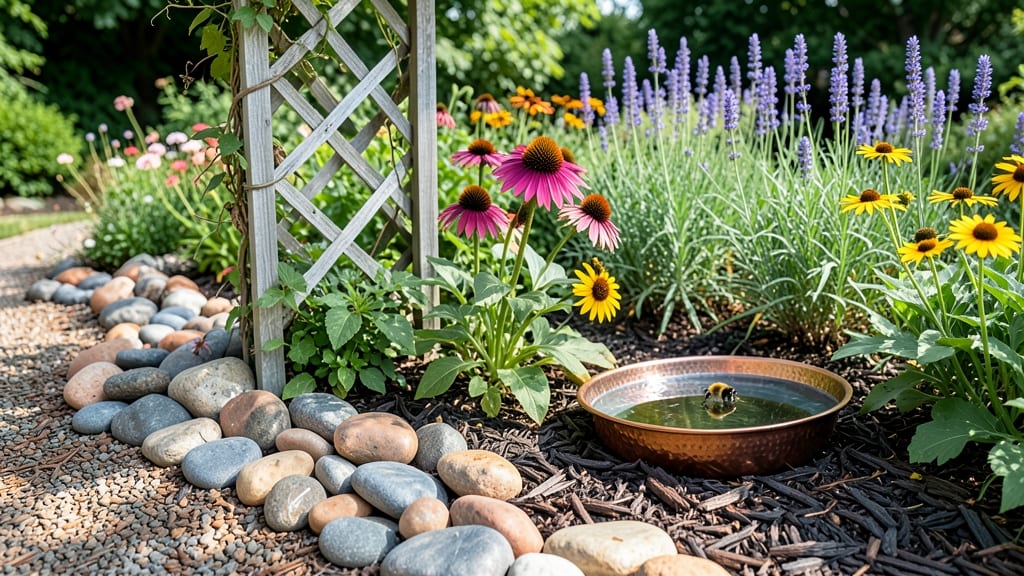
Your green dreams paradise could look like a cold-resistant haven—even when frost paints the world silver. ✨ I’ve designed this dreamy setup using plants that shrug off winter’s chill, their colors and textures creating a serene escape from the cold.
The secret lies in choosing varieties that thrive below 20°F, like ornamental kale in deep purples, winter-blooming pansies, and evergreen ferns that stay lush through snow.
Picture this: fragrant lavender still releasing its scent on crisp mornings, velvety heuchera leaves catching the light like stained glass, and blooming hellebores nodding their delicate flowers in the breeze. These aren’t just survivors—they’re stars of your winter garden, turning containers into cozy micro-habitats.
You’ll need containers with drainage, a mix of evergreen and seasonal plants, and a little creativity to layer textures and heights for that "paradise" feel.
By spring, your garden will be bursting with new growth, the cold-resistant varieties transitioning seamlessly into warmer-season blooms. The scent of citrus-scented geraniums mingling with the earthy notes of winter jasmine creates an atmosphere that feels like a retreat.
This isn’t just gardening—it’s crafting a living sanctuary that works as hard as it looks.
Whether you’re working with a sunny patio or a shady balcony, these combinations adapt effortlessly. Start small with 3-5 containers, mix in a few solar lights for evening ambiance, and watch your green dreams take root—literally.
The best part? Your garden will keep giving, season after season, without the fuss.
📚 In This Guide
- What you need
- Instructions
- Tips and common mistakes
- Wrapping up and next steps
What you need
- ● Cold-resistant vegetable seeds: 5–10 seeds each of kale (e.g., 'Winterbor' or 'Red Russian')
- ● 5–10 seeds each of spinach (e.g., 'Bloomsdale Long Standing')
- ● 3–5 seeds each of broccoli (e.g., 'De Cicco' or 'Calabrese')
- ● 2–3 seeds of peas (sugar snap or snow peas, cold-hardy varieties)
- ● Containers: 5–10 gallon pots (or window boxes) with drainage holes
- ● High-quality potting mix: 1–2 bags (sterile, well-draining, organic blend)
- ● Slow-release fertilizer: 1–2 cups (e.g., 10-10-10 or organic options like fish emulsion)
- ● Compost or worm castings: 1–2 cups (for nutrient boost)
- ● Mulch: Straw or shredded leaves (to insulate roots)
- ● Hand trowel (for planting)
- ● Watering can (with a fine rose nozzle)
- ● Spray bottle (for seedling care)
- ○ Garden gloves (optional but handy!)
- ● Plant markers (to label varieties)
- ○ Mini greenhouse or cold frame: Optional for seedlings in frost-prone areas
- ○ Grow lights: Optional for indoor starts or short winter days
- ● Sunlight: 4–6 hours of direct sun daily (south-facing is ideal)
- ● Temperature: Harden off seedlings before exposing to temps below 35°F (2°C)
- ● Watering schedule: Keep soil consistently moist (not soggy!)—especially in containers
- ● Patience: Cold-resistant varieties grow slower in chilly weather—adjust expectations! ✨
Step-by-Step guide for year-round container beauty
Here’s how to create a resilient, four-season container garden that thrives even in chilly climates.
🪴 Step 1: Select Cold-Hardy Containers and Drainage
Choose insulated containers like ceramic pots with thick walls or wooden planters wrapped in burlap for winter protection. Ensure each has multiple drainage holes—cold roots rot just as quickly as warm ones when water pools. I like adding a layer of gravel at the bottom before soil to prevent ice dams from forming and blocking drainage.
For extra insulation, place containers on elevated trays or feet to allow cold air to circulate beneath. This simple trick keeps roots from freezing solid overnight. Test drainage by filling a container with water—if it drains within 30 seconds, you’re good to go.
🌱 Step 2: Layer Soil for Temperature Regulation
Start with a 2-inch layer of coarse perlite or pumice at the bottom to improve aeration and prevent compaction. Next, mix high-quality potting soil with 20% compost and 10% coconut coir for moisture retention. This blend stays loose enough for roots to breathe while holding warmth longer in cold snaps.
Top with a 1-inch layer of mulch—I prefer shredded bark or pine needles—to insulate the soil surface. Mulch acts like a blanket, keeping temperatures 5-10°F warmer than exposed soil. Replenish it after heavy rains or when it decomposes.
☀️ Step 3: Choose Cold-Resistant Varieties for Year-Round Color
Select plants with USDA Zone 4-5 hardiness like Heuchera (coral bells), Helleborus (Lenten rose), or Sedum (stonecrop) for winter interest. These thrive in 20-50°F ranges and often bloom in early spring. For foliage, Ilex crenata (Japanese holly) or Pieris japonica (Japanese andromeda) add evergreen structure.
Group plants by water needs—drought-tolerant sedums near the edges and moisture-loving hellebores in the center. This zoning prevents overwatering in winter when evaporation slows. Watch for wilted leaves in morning frost—a sign to move containers to a sheltered spot.
💧 Step 4: Adjust Watering for Winter Conditions
Water containers only when the top 1-2 inches of soil feels dry—overwatering in cold weather suffocates roots. Use a moisture meter to avoid guesswork, especially if your containers are near a heat source like a patio heater. I water in the late afternoon to allow excess moisture to drain before evening frost.
Add a water-retaining gel to the soil mix for extra insurance. These gels absorb moisture and release it slowly, preventing roots from drying out during dry winter spells. Avoid ice-forming sprays—stick to deep watering at the base.
✂️ Step 5: Prune and Protect for Winter Dormancy
Cut back dead or damaged foliage in late fall, but leave healthy stems intact—they provide insulation for emerging buds. Wrap containers in burlap or frost cloth for nights below 20°F, securing the fabric with twine. This barrier traps 5-8°F of extra warmth around the roots.
Move containers to a north-facing wall or under an eave to shield them from wind and salt spray if you’re near coastal areas. Check weekly for ice buildup on mulch or soil cracks—gentle brushing with a broom keeps surfaces clear without disturbing plants.
Tips & tricks for perfect year-round container gardens
Took me years to master these cold-weather container gardening secrets—here's how to keep your plants thriving through every season.
Container Insulation: Double up on winter protection by placing your insulated containers on thermally broken stands (like those with rubber feet). This creates a 2-inch air gap between the container and ground, preventing heat loss to frozen soil. I've seen temperature differences of 10°F warmer in containers on elevated stands versus those directly on frozen ground.
Soil Layering Strategy: For the 2-inch perlite layer in Step 2, I recommend using expanded shale instead—it holds slightly more warmth and drains even faster, which prevents that dreaded winter sog. The 20% compost should be well-aged; fresh compost can overheat roots in winter. Think of this layer as your plant's winter coat—it needs to breathe but stay warm.
Winter Plant Pairing: In Step 3, pair your Heuchera with Carex oshimensis (Oshima sedge) for a textural contrast that survives 20-50°F ranges. The sedge's arching forms create microclimates that protect the Heuchera's delicate foliage. I've found this combo stays vibrant even when other containers look frost-bitten by spring.
Pro Tips for Green Dreams Paradise
- Took me years to master these cold-weather container gardening secrets—here's how to keep your plants thriving through every season.
- Container Insulation: Double up on winter protection by placing your insulated containers on thermally broken stands (like those with rubber feet).
- Soil Layering Strategy: For the 2-inch perlite layer in Step 2, I recommend using expanded shale instead—it holds slightly more warmth and drains even faster, which prevents that dreaded winter sog.
Frequently asked questions
Got questions about growing cold-resistant veggies in containers?
You’re not alone! Here are some of the most common queries—and answers—to help you thrive in Green Dreams Paradise year-round.
What are the easiest cold-resistant veggies to start with for beginners?
If you’re new to container gardening in chilly climates, begin with kale, spinach, and Swiss chard—they’re hardy, fast-growing, and thrive in cool weather. For heartier options, try broccoli, cabbage, or Brussels sprouts, which handle frost like pros! Just ensure your containers have drainage and use a lightweight potting mix enriched with compost.
Can these plants survive freezing temperatures, or do I need extra protection?
Most cold-resistant varieties tolerate light frosts (down to 20–25°F), but heavy freezes (below 15°F) may still damage tender leaves. For extra protection, cover containers with frost cloth or move them to a sheltered spot (like a porch or garage). Mulch the soil surface to insulate roots—straw or shredded leaves work great!
How big should my containers be for these vegetables?
Size matters! Most cold-hardy veggies need at least 12–18 inches deep (deeper for root crops like beets). For leafy greens (kale, spinach), 6–8" wide is fine, but broccoli or cabbage will need 12–18" diameter to spread. Use self-watering containers to prevent drought stress in winter’s dry air.
Do I need to adjust my watering schedule in winter?
Yes! Containers dry out faster in cold weather, but overwatering can rot roots. Water deeply but less frequently—aim for 1–2 times per week (check soil moisture 1" below the surface). If your area gets heavy rain, skip watering to avoid soggy soil. Mulch helps retain moisture and regulate temperature!
What if my plants look leggy or weak in winter?
Leggy growth often means lack of light or overcrowding. Move containers to the sunniest spot possible (even south-facing windowsills work indoors). If plants are too close, thin them out to improve airflow. For extra vigor, add a balanced fertilizer (10-10-10) every 4–6 weeks. Prune yellow leaves to redirect energy to healthy growth!
Wrapping up and next steps
Green Dreams Paradise isn’t just about growing—it’s about thriving, even when winter chills the air. 🌱 With the right cold-resistant varieties and a few smart container setups, you can enjoy fresh, vibrant veggies year-round, proving that seasonal limits are just suggestions. Whether you’re a seasoned gardener or a curious beginner, this guide proves that green dreams are always in season.
Ready to turn your balcony or patio into a mini paradise? Start small—pick one cold-hardy variety (like kale or spinach) and experiment! 🌿 Before you know it, you’ll be harvesting fresh greens straight from your containers, no matter the weather. Your future self—and taste buds—will thank you!