
Vegetables
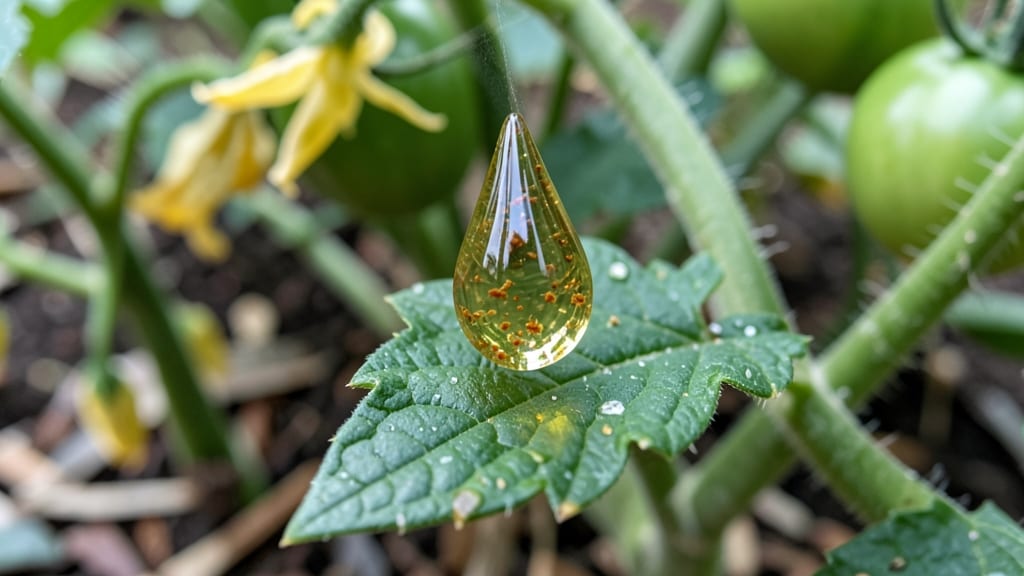
That homemade tomato insect spray saved my garden from hornworm destruction last summer—no chemicals, just a spray bottle and ingredients you already own. 🌱 The secret lies in combining soap, neem oil, and a little garlic for a potent mix that targets aphids, whiteflies, and even those pesky hornworms without harming your plants.
You’ll need just three simple ingredients: a teaspoon of mild liquid soap (like Castile), a tablespoon of neem oil, and a crushed garlic clove for extra punch. Mix it in a quart of water, shake well, and transfer to a spray bottle.
The soap breaks down pests' protective coatings, while neem oil disrupts their life cycles—nature’s way of keeping them away.
Spray your tomato plants early in the morning when pests are least active, focusing on the undersides of leaves where aphids and whiteflies hide. Reapply every 5-7 days or after rain, and watch your plants thrive without the harsh chemicals that can harm beneficial insects and soil health.
This spray works best as a preventative measure—start using it when your plants are young, and you’ll see fewer pests all season. Plus, it’s safe for pets and kids once fully dried, making it a guilt-free solution for any home garden. Ready to give it a try?
📚 In This Guide
- What you need
- Instructions
- Tips and common mistakes
- Wrapping up and next steps
What you need
- ● 1 cup water (filtered or distilled for best results)
- ● 1 tablespoon liquid dish soap (unscented, like Dawn—this helps the spray stick to pests)
- ● 1 tablespoon vegetable oil (light olive oil or canola oil works well)
- ○ 1 tablespoon rubbing alcohol (70% or higher) (optional but helps break down oils for better mixing)
- ● 1 teaspoon cayenne pepper or hot sauce (for a spicy kick that deters pests)
- ● 1 garlic clove or 1 teaspoon garlic powder (natural pest repellent)
- ○ 1 small piece of castile soap (optional) (adds extra stickiness to the spray)
- ● A spray bottle (16 oz or larger) (preferably with a fine mist nozzle)
- ● A blender or small bowl + whisk (to mix ingredients thoroughly)
- ● A fine-mesh strainer or cheesecloth (if using garlic cloves or spices for straining)
- ○ Gloves (optional) (if you’re sensitive to soap or cayenne)
- ● Wait until morning or late afternoon to apply the spray (avoid direct sunlight to prevent leaf burn).
- ● Test a small area of your plant first to ensure no adverse reactions.
- ● Store in a cool, dark place (use within 2-3 days for maximum effectiveness).
Step-by-Step instructions for making homemade tomato insect spray
Here's the simple, effective recipe I use every season to keep tomato pests at bay—no chemicals needed.
🌿 Step 1: Gather Your Kitchen Staples
You only need four basic items from your pantry: 1 quart of water, 1 tablespoon of dish soap (the kind that cuts grease), 1 tablespoon of vegetable oil, and 1 teaspoon of garlic powder. The oil coats pests, the soap breaks down their protective layers, and the garlic acts as a natural repellent. I like to use Dawn dish soap because it's gentle yet effective—avoid anything with strong fragrances that might harm your plants.
Mix these in a spray bottle (a clean, empty one from your cleaning supplies works perfectly). Shake gently to combine—don’t overmix or you’ll create suds that won’t spray evenly. Store it in a cool, dark place until ready to use, but I recommend making it fresh every 2-3 days for maximum potency.
💧 Step 2: Test the Spray on a Small Leaf
Before spraying your entire tomato plant, test a small area on one leaf. This ensures the mixture won’t cause leaf burn or discoloration. Hold the bottle 12 inches away and lightly mist the underside of a leaf—this is where many pests hide. Wait 10 minutes to check for any reactions like yellowing or wilting. If the leaf looks fine, you’re good to go.
I always test first because some dish soaps can be too harsh, especially in hot weather. If you see any signs of stress, dilute the mixture with an extra ¼ cup of water and retest. The spray should feel slightly damp, not soaking wet.
☀️ Step 3: Apply to Plants at the Right Time
Spray your tomato plants early in the morning or late in the afternoon when the sun isn’t at its peak. Direct sunlight can cause the spray to dry too quickly, reducing its effectiveness. Focus on the undersides of leaves, stems, and the base of the plant—these are hotspots for aphids, spider mites, and whiteflies. Hold the bottle 6-8 inches away and apply until the leaves glisten lightly.
Reapply every 3-5 days or after rain, as the spray washes off over time. You’ll notice pests like aphids dropping off within hours of application, and spider mites will become less visible after 2-3 treatments. For severe infestations, I add 1 teaspoon of cayenne pepper to the mix for extra kick—it irritates soft-bodied insects.
✂️ Step 4: Prevent Future Pests With Good Habits
This spray works best as part of a preventative routine. After applying, remove any heavily infested leaves by pinching them off at the stem—don’t compost them, as pests can spread. Water your plants at the base (not overhead) to discourage fungal growth and keep foliage dry, which pests love.
I also rotate my spray with neem oil every other week to prevent resistance. Healthy plants are less attractive to pests, so side-dress with compost every 2-3 weeks and prune for good airflow. A strong, happy tomato plant is your best defense against insects!
Tips & tricks for perfect homemade tomato insect spray
A few simple adjustments can make all the difference in how effective your homemade spray becomes—and how long it lasts.
Mixing Technique: When combining your ingredients in Step 1, shake the spray bottle gently but thoroughly to avoid creating suds. I learned this the hard way—too much shaking creates bubbles that make the spray uneven. Instead, give it a few firm shakes, then let it sit for 30 seconds before testing. This ensures the dish soap and vegetable oil blend smoothly without clumping.
Testing for Safety: The 10-minute wait in Step 2 is crucial—don't skip it! I always test on the underside of a leaf because that's where most pests hide and where the spray needs to reach. If you see any signs of stress like yellowing or curling after 10 minutes, immediately dilute with the extra ¼ cup of water as instructed. This simple test prevents potential damage to your tomato plants.
Application Precision: In Step 3, focus on the undersides of leaves and stems where pests hide. Hold the bottle 6-8 inches away and apply until leaves glisten lightly—this means you've applied enough without soaking them. I've found that spraying early morning or late afternoon gives the solution time to dry properly, making it more effective against pests like aphids and spider mites.
Enhancing Effectiveness: For tough infestations, you can add 1 teaspoon of cayenne pepper to the mix as mentioned in Step 3. This optional addition irritates soft-bodied insects and adds another layer of protection. Just be sure to test this enhanced version first—some plants may be more sensitive to the pepper. The key is consistency: reapply every 3-5 days or after rain to maintain protection.
Pro Tips for Homemade Tomato Insect Spray
- A few simple adjustments can make all the difference in how effective your homemade spray becomes—and how long it lasts.
- Mixing Technique: When combining your ingredients in Step 1, shake the spray bottle gently but thoroughly to avoid creating suds.
- Testing for Safety: The 10-minute wait in Step 2 is crucial—don't skip it!
Frequently asked questions
Got questions about keeping your tomato plants pest-free the natural way? Here are some of the most common ones—and their answers!
How often should I spray my tomato plants with this homemade insect spray?
For best results, spray your tomato plants every 5-7 days during active pest seasons (spring through fall). If pests are severe, you can spray weekly until they’re under control. Always apply in the early morning or late afternoon to avoid burning leaves in direct sunlight.
Can I use this spray on other vegetables besides tomatoes?
This recipe is safe for most edible plants, including peppers, eggplants, herbs, and leafy greens like lettuce or spinach. Just avoid spraying flowering plants (like basil or marigolds) if bees are active, as the alcohol or garlic can harm them. Always do a patch test first!
What if the spray doesn’t work? Are there other natural alternatives?
If pests persist, try these natural swaps:
- Neem oil spray (repels soft-bodied insects like aphids and whiteflies)
- Soap spray (1 tbsp mild liquid soap + 1 quart water—test on a small leaf first!)
- Diatomaceous earth (sprinkle around the base of plants for crawling pests like slugs)
- Companion planting (basil, marigolds, or nasturtiums deter pests naturally)
How long does the homemade spray last once mixed? And can I store it?
The spray stays fresh for 3-5 days in the fridge (store in a sealed spray bottle). For longer shelf life, add 1 tsp of vegetable oil per quart to help it cling to leaves. Never store it in direct sunlight or heat—it can degrade the ingredients. If it smells off or looks cloudy, toss it and make a fresh batch!
Is this spray safe to use right before harvesting tomatoes?
Yes! Once the spray dries (about 1-2 hours), it’s safe to harvest. The ingredients break down quickly and won’t leave harmful residues. For extra peace of mind, wait 24 hours before eating tomatoes sprayed with garlic or hot pepper blends—though studies show these are generally safe in small amounts.
Wrapping up and next steps
Creating your own homemade tomato insect spray is a simple, cost-effective, and eco-friendly way to protect your garden from pesky pests—no harsh chemicals required! 🌱 With just a few kitchen staples like neem oil, garlic, or dish soap, you can whip up a powerful solution that keeps your tomato plants thriving.
The best part? It’s safe for your family, pets, and the environment while saving you money.
Ready to take your gardening game up a notch? Start small—test your spray on a few leaves first—and soon, you’ll be enjoying a bountiful, pest-free harvest. Happy spraying! 🌿