
Vegetables
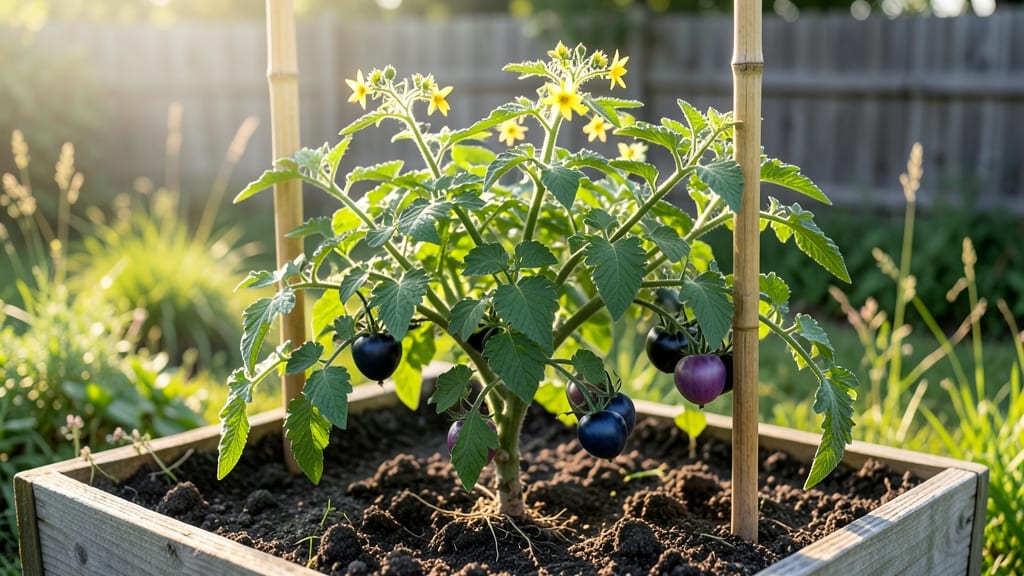
Growing Indigo Blueberry tomatoes changed my garden game forever—these deep purple, berry-sized beauties thrive where regular tomatoes fail. 🌱 Their cold-hardy nature and perennial growth mean I harvest for years without replanting, and the flavor? A tangy-sweet surprise that keeps neighbors asking for cuttings.
The secret lies in their love for rich, well-draining soil with 2-3 inches of compost mixed in. They need 6-8 hours of sunlight daily but tolerate partial shade better than most tomatoes. Water consistently at the base—never overhead—to prevent cracking and maintain that stunning indigo hue.
Prune aggressively to focus energy on fruit, not foliage, and you’ll get heavy clusters all season. What sets these apart is their berry-like size (1-2 inches) and antioxidant-rich skin, plus they handle heat and humidity better than heirlooms. The trade-off?
They ripen slower than slicing varieties, so patience pays off with bold, flavor-packed harvests that last months. For cold climates, treat them like perennials—mulch heavily in winter. In warmer zones, they’ll spread like a bush tomato. Here’s how to grow them like a pro, from seed to table.
📚 In This Guide
- What you need
- Instructions
- Tips and common mistakes
- Wrapping up and next steps
What you need
- ● Indigo Blueberry Tomato Seeds or Plants: 3–5 plants (or 10–15 seeds if starting from scratch). Choose Solanum lycopersicum 'Indigo Rose' for the classic variety.
- ● Potting Mix: 10–15 gallons of high-quality, well-draining potting soil (or a blend of 60% compost, 30% coconut coir, and 10% perlite).
- ● Containers or Garden Beds: Containers: 5-gallon pots or larger (minimum 12" diameter) with drainage holes.
- ● Garden Beds: Raised beds or in-ground plots with at least 18" depth and full sun (6+ hours/day).
- ● Fertilizer: Organic Option: 1 lb of worm castings or compost tea per plant.
- ● Balanced NPK: 10-10-10 or 5-5-5 fertilizer (follow package rates).
- ● Mulch: Straw or shredded leaves (2–3 inches) to retain moisture and regulate soil temp.
- ● Support Structures: Cage or stakes (3–4 ft tall) to support vining growth.
- ● Gloves & Hand Trowel: For planting and soil prep.
- ● Watering Can or Hose: With a gentle spray nozzle (avoid overhead watering).
- ● Pruning Shears: For trimming suckers and shaping plants.
- ○ pH Test Kit: Optional but helpful—aim for soil pH 6.0–6.8.
- ○ Cold Frame or Row Cover: Optional for extending the growing season in colder climates.
Step-by-step instructions for planting and cultivating indigo blueberry tomatoes
Here's how I transform these striking perennials into a thriving, low-maintenance harvest—no annual replanting required.
🌱 Step 1: Choose the Perfect Planting Site and Prepare the Soil
Indigo Blueberry Tomatoes thrive in full sun—at least 6-8 hours daily—but tolerate partial shade in hotter climates. I select a spot with afternoon shade if temperatures exceed 90°F to prevent sunscald on the deep purple fruit. The soil must drain well; these plants despise soggy roots, so I avoid low-lying areas where water pools.
Before planting, mix 2-3 inches of compost into the top 12 inches of soil to enrich it with organic matter. Indigo varieties benefit from slightly acidic soil (pH 5.8-6.5), so I test my soil and amend with sulfur or peat moss if needed. The reason? Their unique anthocyanin pigments—what gives them that indigo hue—flourish in this pH range.
🪴 Step 2: Plant Bare-Root or Container-Grown Plants at the Right Time
For bare-root plants, soak the roots in lukewarm water for 1 hour before planting to revive them. Dig a hole twice as wide as the root ball but only as deep—the crown should sit just above soil level. If planting container-grown specimens, gently tease the roots at the bottom to encourage outward growth.
Timing matters: In USDA Zones 5-8, plant in early spring (after last frost) or early fall to avoid heat stress. I space plants 3-4 feet apart in rows 4-5 feet apart—this gives them room to sprawl without crowding. The key is patience; these perennials establish slowly but reward you with years of harvests once settled.
☀️ Step 3: Install Support and Mulch for Optimal Growth
Indigo Blueberry Tomatoes grow 4-6 feet tall with sprawling vines, so I install strong trellises or cages at planting time. Drive stakes 18 inches deep and secure them before vines get heavy. I use biodegradable twine to gently weave vines upward—never force them, or you’ll snap tender stems.
Apply 3-4 inches of organic mulch (straw or shredded leaves) around each plant, keeping it 6 inches away from the stem to prevent rot. Mulch conserves moisture, regulates soil temperature, and suppresses weeds—critical for perennials that need consistent care. Water deeply once a week (or more in extreme heat) until the top 2 inches of soil feel dry.
💧 Step 4: Fertilize and Prune for Maximum Yield
Feed plants with a balanced organic fertilizer (10-10-10) at planting, then again 6 weeks later and mid-summer. I avoid high-nitrogen fertilizers—they promote leafy growth at the expense of fruit. Instead, I side-dress with compost tea every 4-6 weeks for a gentle nutrient boost.
Prune selectively: Remove suckers (shoots between the main stem and branches) to direct energy to fruit production. Pinch back the top growth when plants reach 4-5 feet to encourage bushier, more productive vines. Harvest fruit when it turns deep indigo—usually 70-80 days after flowering—to prevent overripening and disease.
⏰ Step 5: Overwinter and Prepare for Next Year’s Harvest
In Zones 5-6, protect plants from winter kill by mulching heavily (6-8 inches) with straw or leaves after the first frost. In Zones 7-8, minimal protection is needed, but I still add 2-3 inches of mulch to insulate roots. Prune back dead or diseased foliage in early spring before new growth begins.
Here’s the thing—Indigo Blueberry Tomatoes rebloom and fruit annually if cared for properly. By late summer, you’ll see new flower clusters forming, setting up next year’s harvest. The secret to longevity? Consistent moisture, proper pruning, and avoiding over-fertilization—these plants reward patience with bold, flavorful fruit for years.
Tips & tricks for perfect indigo blueberry tomato cultivation
These game-changing strategies will help you coax the most vibrant, productive harvests from your cold-hardy indigo beauties.
Soil pH Precision: While the instructions mention slightly acidic soil (pH 5.8-6.5), I've found that testing with a simple soil kit and adjusting with sulfur or peat moss makes all the difference. The anthocyanin pigments responsible for that stunning indigo color actually develop more intensely at pH 6.0-6.2. If your soil tests higher, don't panic—just add a bit more sulfur and wait 4-6 weeks before planting. The color won't be as vibrant if you skip this step, but the tomatoes will still produce.
Root Revival Technique: That 1-hour soak for bare-root plants in lukewarm water is non-negotiable, but here's what I do differently: I add a pinch of seaweed fertilizer to the water. This gives the roots a gentle nutrient boost while they revive, helping them establish faster. For container-grown plants, I make small vertical slits along the root ball with a knife before planting to encourage outward growth without disturbing the roots too much.
Heat Management Strategy: When temperatures exceed 90°F, I don't just add afternoon shade—I also mist the plants lightly in the early morning. This helps prevent sunscald while keeping the fruit hydrated. For extreme heat waves, I'll even drape a lightweight shade cloth over the plants during peak sun hours (11am-3pm) for the first few weeks after planting. The key is to monitor the fruit's color—if it starts looking dull or spotted, that's your cue to provide more shade.
Pruning Visual Cues: The instructions mention pinching back top growth at 4-5 feet, but here's how I actually do it: I look for the first set of leaves that have fully opened after the plant reaches that height. I pinch just above that leaf node. This encourages branching while keeping the plant's energy focused on fruit production. For suckers, I remove them when they're about 2 inches long—any smaller and you'll have to keep hunting for them, any larger and they've already started competing with your main stems.
Pro Tips for Indigo Blueberry Tomato
- These game-changing strategies will help you coax the most vibrant, productive harvests from your cold-hardy indigo beauties.
- Soil pH Precision: While the instructions mention slightly acidic soil (pH 5.8-6.5), I've found that testing with a simple soil kit and adjusting with sulfur or peat moss makes all the difference.
- Root Revival Technique: That 1-hour soak for bare-root plants in lukewarm water is non-negotiable, but here's what I do differently: I add a pinch of seaweed fertilizer to the water.
Frequently asked questions
Can I grow Indigo Blueberry Tomatoes in containers?
This variety thrives in containers as long as the pot is at least 12–18 inches deep with drainage holes. Use a high-quality potting mix and provide sturdy support (like a tomato cage or trellis) since the vines can get heavy. Just keep them in a sunny spot and water consistently—container-grown plants may dry out faster!
How cold-hardy is this tomato, really?
The Indigo Blueberry is one of the most cold-resistant tomatoes, surviving light frosts down to 20–25°F (-6 to -4°C). However, it’s not fully winter-hardy—think of it as a spring/fall hero. For year-round harvests in colder climates, grow it in containers and move them indoors or under a cold frame during harsh winters. Mulching heavily in fall can also extend its season!
Why are my Indigo Blueberry Tomatoes cracking?
Cracking is common in fast-growing varieties like this one, especially during uneven watering (e.g., lots of rain followed by dry spells). To prevent it:
If you’re after a cold-tolerant, heirloom tomato with a unique flavor, try these similarly resilient varieties:
This perennial (in mild climates) typically takes 60–80 days to mature from transplanting, but the first harvest might appear even sooner—sometimes as early as 50 days in ideal conditions. With proper care, you’ll enjoy continuous harvests for months, and in perennially grown plants, it may even fruit for years!
If it’s too late, cracked tomatoes are still edible—just slice and use them in sauces or salsas!
What’s the best alternative if I can’t grow Indigo Blueberry Tomatoes?
For container gardening, Tiny Tim or Patio Princess are compact but flavorful options.
How long does it take for Indigo Blueberry Tomatoes to produce fruit?
Pro Tip: Boost flavor by letting a few tomatoes ripen fully on the vine—their deep indigo color and complex berry-blueberry notes shine when fully mature!
Wrapping up and next steps
The indigo blueberry tomato isn’t just a stunning heirloom—it’s a game-changer for gardeners craving bold flavors, resilience, and sustainability. With its deep purple hues, cold-hardy nature, and nutrient-packed profile, this perennial gem proves that great harvests don’t require compromise.
Whether you’re a seasoned grower or a curious beginner, adding it to your garden is a step toward richer soil, vibrant meals, and a greener future.
Ready to dive in? Start small—plant a few seeds or seedlings this season and let their magic unfold. Your taste buds (and future harvests) will thank you! 🌱✨