
Vegetables
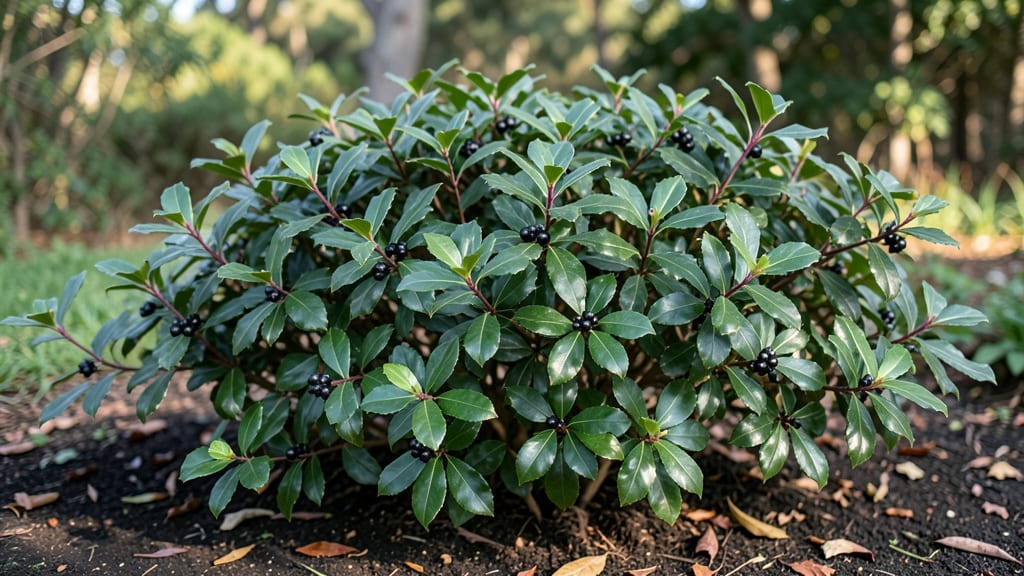
Inkberry holly stays stunning even when everything else turns brown. 🌿 This tough evergreen thrives in winter, its glossy leaves holding their deep green color through snow and ice—no yellowing, no browning, just reliable beauty all season long.
Native to wetlands but adaptable to dry gardens, inkberry handles cold down to -25°F (USDA Zone 5) without flinching. The real secret? Its natural winter dormancy—it slows growth but never stops looking good.
Prune lightly in late winter (before buds swell) to shape it, and watch how it bounces back with fresh new growth by spring.
You’ll love how it resists deer, rabbits, and most pests—even in winter. The berries stay on the branches longer than many hollies, providing food for birds through late winter storms. Just avoid heavy mulch piles against the trunk to prevent rot.
Perfect for foundation plantings, privacy screens, or mixed borders in zones 5-9. Once established, it’s basically maintenance-free—just water in extreme drought and enjoy its winter resilience year after year.
📚 In This Guide
- What you need
- Instructions
- Tips and common mistakes
- Wrapping up and next steps
What you need
- ● Inkberry Holly plants: 3–5 healthy nursery-grown saplings (3–5 ft tall, bare-root or containerized). Choose ‘Strongbox’ or ‘Shamrock’ cultivars for compact growth.
- ● High-quality soil: 1–2 cubic yards of well-draining, acidic soil mix (pH 5.0–6.0). Amend with 1 part peat moss and 1 part compost for optimal fertility.
- ● Mulch: 2–3 inches of pine bark fines or wood chips (avoid dyed mulch—it can alter soil pH).
- ● Fertilizer: Slow-release acid-loving plant fertilizer (e.g., 8-3-9 or 10-10-10 with micronutrients). Apply ½ cup per plant in early spring.
- ● Basic gardening tools: Trowel or hand shovel
- ● Garden fork (for amending soil)
- ● Pruning shears (sterilized with rubbing alcohol)
- ● Measuring tape (for spacing plants 4–6 ft apart)
- ○ Optional (but helpful): Soil pH test kit (to confirm acidity before planting)
- ● Drip irrigation kit (for consistent moisture in dry winters)
- ● Winter protection: Burlap wraps or frost cloth (for young plants in harsh climates, zones 5–6)
- ● 💡 Site selection: Choose a spot with full sun to partial shade (morning sun + afternoon shade works best in hot climates). Inkberry tolerates wet soil but hates soggy roots.
- ● 🌡️ Timing: Plant in early spring or fall (avoid summer heat or winter frost). Container plants can be planted year-round.
Step-by-Step guide to planting and caring for inkberry holly in winter
Here's how to establish this hardy evergreen for year-round color and minimal winter stress.
🌱 Step 1: Select the Perfect Planting Site
Inkberry holly thrives in partial shade to full sun, but in winter, it's best to choose a location with morning sun and afternoon shade to prevent winter burn. Look for spots with well-draining soil—this plant hates soggy roots, especially in cold months when drainage slows.
Dig a hole twice as wide as the root ball but only as deep. The top of the root ball should sit 1 inch above ground level—this prevents water from pooling around the stem during winter thaws. Loosen the roots gently if they're circling tightly in the container.
🪴 Step 2: Plant and Water for Winter Establishment
Place the Inkberry holly in the hole and backfill with native soil mixed with 2-3 inches of organic mulch (like pine bark or shredded leaves). Water deeply until the soil is evenly moist to a depth of 12 inches—this helps roots establish before winter dormancy.
Don't overwater now. You'll see new growth slowing by late fall, and that's normal. Mulch heavily (3-4 inches) around the base but keep it 6 inches away from the trunk to prevent rot. This mulch blanket insulates roots from freezing temperatures.
✂️ Step 3: Prune for Winter Resilience
Lightly shape the plant in early winter (December) to remove any dead, crossing, or weak branches. Inkberry holly handles pruning well, but avoid heavy cuts—this evergreen's beauty comes from its natural, dense form. Cut just above a leaf bud or branch collar using clean, sharp pruners.
Watch for brown, crispy leaves after hard freezes—this is normal winter stress. Don't prune these leaves off; let the plant shed naturally. New growth will emerge in spring, and the plant will look lush again by late April or early May.
☀️ Step 4: Protect During Extreme Winter Conditions
If your region experiences prolonged sub-zero temperatures (below 0°F), wrap young plants (under 3 years old) with burlap or frost cloth loosely around the foliage. Secure it with twine but leave room for air circulation—trapped moisture causes more damage than cold.
Salt spray from winter roads can scorch leaves. If your planting site is near a road, consider a lightweight plastic sheet barrier during the worst winter months. Remove it in early spring to let new growth breathe and avoid overheating.
💧 Step 5: Monitor and Maintain Through Winter
Check the soil once a month during winter—if it's bone-dry, give the plant a slow, deep watering. Snowmelt can leach nutrients, so add a balanced, slow-release fertilizer in early spring (March) when new growth appears.
Look for signs of stress: yellowing leaves often mean overwatering, while brittle, dry branches signal underwatering. Inkberry holly is tough, but even tough plants need a little TLC to stay vibrant through winter's harshest months.
Tips & tricks for perfect inkberry holly winter care
Here’s what I’ve learned from years of keeping Inkberry Holly thriving through harsh winters—these little details make all the difference.
Soil Prep Secret: Before planting, mix in a handful of perlite or coarse sand into the hole’s native soil. This improves drainage, which is critical in winter when soggy soil can suffocate roots. I’ve seen Inkberry Holly plants struggle in clay-heavy soil, so this small step prevents future headaches. The 1-inch elevation above ground level (Step 1) works perfectly with this adjustment.
Mulching Like a Pro: When you add that 3-4 inches of mulch (Step 2), focus on creating a dome shape rather than piling it flat. This helps trap heat near the roots while keeping the trunk dry. I’ve noticed plants with flat mulch layers develop more rot during freeze-thaw cycles. Also, use pine bark mulch—it breaks down slower than leaves and provides better insulation.
Pruning Timing Matters: That December pruning (Step 3) should happen just before the first hard freeze, not after. Pruning too late can stimulate new growth that won’t harden off before winter. I’ve seen Inkberry Holly sprout tender new shoots in January that get fried by February freezes. If you miss December, wait until late winter—just don’t prune in early spring when the plant is actively growing.
Winter Protection Hacks: For those sub-zero temperatures (below 0°F) (Step 4), I’ve found that wrapping young plants with burlap works better than frost cloth for Inkberry Holly. The burlap breathes better and prevents condensation buildup, which can lead to fungal issues. If using frost cloth, leave the top open to allow some airflow—trapped moisture is worse than cold for these plants. For roadside protection, a simple plastic sheet barrier works wonders, but remember to remove it by early spring to prevent overheating.
Pro Tips for Inkberry Holly In Winter
- Here’s what I’ve learned from years of keeping Inkberry Holly thriving through harsh winters—these little details make all the difference.
- Soil Prep Secret: Before planting, mix in a handful of perlite or coarse sand into the hole’s native soil.
- Mulching Like a Pro: When you add that 3-4 inches of mulch (Step 2), focus on creating a dome shape rather than piling it flat.
Frequently asked questions
Got questions about keeping your inkberry holly thriving through winter? You’re not alone! Here are answers to the most common queries to help you maintain its beauty—even when frost is in the air.
Is inkberry holly truly frost-proof, or do I still need to protect it in harsh winters?
Yes, inkberry holly (Ilex glabra) is one of the most cold-hardy evergreens, tolerating temperatures as low as -20°F (-29°C) once established. However, young plants (under 3 years old) may benefit from a light mulch layer (2–3 inches) around the base to shield roots from extreme cold snaps. Avoid heavy mulch, which can suffocate roots.
Will inkberry holly lose its leaves in winter, or does it stay green all year?
This is its superpower! Inkberry holly retains its deep green, glossy foliage year-round, though leaves may appear slightly dull in winter due to dry air. For a pop of color, the red berries (if planted as a female variety) often persist until late winter or early spring, adding holiday cheer.
Can I prune inkberry holly in winter, or should I wait until spring?
Winter is a great time to prune inkberry holly—just do it after the first hard frost but before new growth starts in early spring. Focus on removing dead, crossing, or overgrown branches to encourage a bushier shape. Pro tip: Sterilize pruners with rubbing alcohol to prevent disease spread.
Do I need to worry about birds eating the berries in winter?
Absolutely not—birds love inkberry holly berries! They’re a fantastic winter food source for wildlife like robins, waxwings, and cardinals. If you’re concerned about berries staining sidewalks or driveways, plant inkberry holly at least 5–6 feet away from high-traffic areas.
Are there any alternatives to inkberry holly for cold climates?
If you’re exploring options, consider these low-maintenance, cold-hardy evergreens:
- Winterberry holly (Ilex verticillata): Loves wet soil; female plants produce bright red berries that last into winter.
- Inkberry ‘Strongbox’: A dwarf variety (3–4 ft tall) perfect for small spaces.
- Dwarf yaupon holly (Ilex vomitoria ‘Nana’): Thrives in zones 7–10 with tiny, glossy leaves and berries.
- Emerald Green arborvitae (Thuja occidentalis ‘Smaragd’): A needle evergreen for year-round structure.
Each offers unique textures and colors to complement your winter landscape!
Wrapping up and next steps
Inkberry holly proves that winter doesn’t have to mean dull landscapes—its glossy evergreen leaves and striking berries bring year-round charm with minimal fuss. Whether you’re a seasoned gardener or a beginner, this resilient shrub is a low-maintenance, frost-proof superstar that thrives even when other plants retreat. Ready to elevate your outdoor space? Start by planting one today and enjoy the beauty of nature’s winter wonder!
🌿 Pro tip: Pair it with winter-blooming plants like hellebores for a stunning, four-season display!