
Vegetables
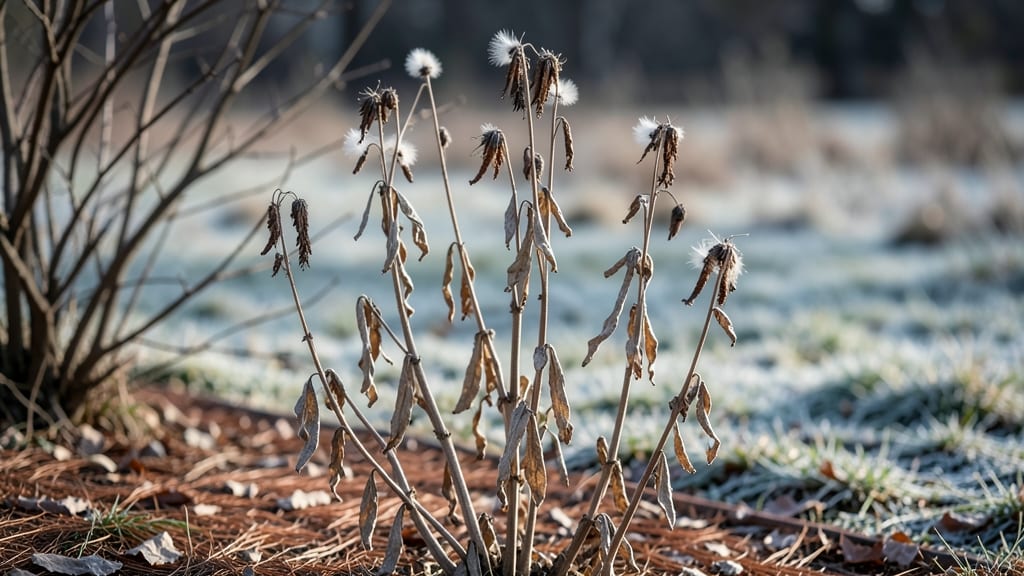
Winter doesn’t kill milkweed—it just makes it take a nap. 🌿 This hardy perennial drops its leaves and goes dormant, but the roots stay alive underground, ready to burst back into life when spring arrives.
My milkweed patches in Zone 5 have survived winters with temps dipping below zero, proving this plant is tougher than it looks.
The real trick is protecting the roots from extreme cold and dry winds. A thick layer of 3-4 inches of mulch—straw, shredded leaves, or even wood chips—keeps the soil insulated.
I’ve seen milkweed regrow within 2-3 weeks of spring thaw when mulched properly, while unprotected plants can struggle to bounce back.
You’ll notice new shoots pushing through the soil in early spring, often before other perennials. The leaves unfurl vibrant green, and by summer, your milkweed will be a monarch magnet again, covered in caterpillars and blooming with those signature pink or white flowers.
Works in most USDA zones (3-9), but in colder climates, add extra mulch or a light frost cloth for the first few winters. The payoff? A low-maintenance, high-reward pollinator plant that comes back stronger every year.
📚 In This Guide
- What you need
- Instructions
- Tips and common mistakes
- Wrapping up and next steps
What you need
- ● Milkweed seeds: Choose Asclepias syriaca (Common Milkweed) or Asclepias incarnata (Swamp Milkweed) for cold hardiness. Buy 1–2 lbs (enough for 50–100 plants).
- ● Well-draining soil: Test for pH (ideal: 6.0–7.5). Amend with compost (1–2 inches mixed into top 6 inches of soil).
- ● Organic mulch: 2–3 inches of straw, wood chips, or shredded leaves to insulate roots.
- ● Watering can or hose: With a fine-mist nozzle for gentle hydration.
- ● Garden gloves (heavy-duty, for thorny stems).
- ● Hand trowel or transplanting spade (for seedling care).
- ● Pruners (sharp, bypass-style for clean cuts).
- ○ Optional: Seed-starting trays (if pre-sprouting indoors).
- ● Row cover fabric (for extra frost protection).
- ● Pollinator-friendly companion plants (e.g., Liatris or Goldenrod).
- ● Full sun exposure (6+ hours/day, even in winter).
- ● Zone 3–9 hardiness (check your USDA zone!).
- ● Patience: Milkweed grows slowly but rewards with decades of pollinator support!
How to care for milkweed through winter’s freeze
Here’s how I keep milkweed thriving even when frost hits—no green thumb required.
☀️ Step 1: Assess Your Milkweed’s Cold Hardiness
Most milkweed varieties are perennial and frost-resistant, but young plants or tropical species need extra care. Look for woody stems—these are your hardiest types. If your plants have tender, green growth past early fall, they’ll need winter protection.
Dig around the base to check roots. Healthy milkweed roots extend deep and feel firm. If they’re shallow or mushy, your plant may struggle in freezing soil. Here’s the thing—milkweed’s natural range includes zones 3-9, so unless you’re in an extreme microclimate, your plants are tougher than you think.
🪴 Step 2: Prepare the Soil for Winter Survival
Stop fertilizing 6-8 weeks before first frost—new growth is the first thing cold kills. Instead, add a 2-inch layer of mulch (straw or shredded leaves work best) around the base. This insulates roots while letting moisture drain.
Don’t pile mulch against stems—keep it 2 inches away to prevent rot. Water deeply once before freezing starts, but avoid soggy soil. You’ll know moisture is right when the top inch feels damp but not wet. This pre-winter drink helps roots store energy for spring.
✂️ Step 3: Prune and Protect Before Frost
Cut back dead or damaged stems to 6 inches tall in late fall. This prevents snow mold and makes spring regrowth easier. Leave healthy, upright stems—they act as natural windbreaks for new shoots.
For extreme cold (below 0°F), wrap young plants in burlap or frost cloth. Secure it loosely—tight wraps trap moisture and cause rot. If you’re in a windy area, stake the wrap to keep it from flapping. Real talk: most milkweed survives without this, but it’s worth the effort if you’re near record lows.
⏰ Step 4: Monitor and Adjust Through Winter
Check plants after heavy snowfall. Shake off accumulation gently—too much weight can break stems. If snow lingers, it actually helps by insulating roots. Watch for brown, crispy leaves—this is normal dormancy, not damage.
Don’t disturb the plants until spring growth appears (usually by late March in most zones). Early thaws can trick you into thinking the plant is dead—wait until you see new green shoots before pruning or fertilizing.
🌱 Step 5: Spring Wake-Up and Early Care
Remove winter wraps as soon as temperatures stay above 40°F for 3 days. This prevents overheating when new growth starts. Lightly rake away old mulch to check for pests—aphids love tender spring shoots.
Wait until after last frost to fertilize. A light application of 10-10-10** (half-strength) encourages blooms. You’ll see first flowers by mid-summer if you’ve done this right—monarchs will thank you.
Tips & tricks for frost-resistant milkweed care
Between us, winterizing milkweed isn't rocket science—but these little details make all the difference when frost rolls in.
Root Health Check: Before winter hits, dig around the base to check for deep, firm roots. If roots feel mushy or are shallow, your plant needs extra protection. I've seen milkweed with shallow roots struggle in freezing soil, even in zone 5. The deeper the roots, the better they'll handle winter's chill.
Mulch Placement Matters: When you add that 2-inch layer of mulch, keep it 2 inches away from stems to prevent rot. I learned this the hard way after losing two plants to fungal growth from piled mulch. Straw or shredded leaves work best—they insulate while allowing moisture to drain.
Snow Weight Watch: After heavy snowfall, gently shake off accumulation. Too much weight can break stems, especially for young plants. If snow lingers, it actually helps insulate roots—just don't let it build up against stems. I've seen milkweed bend dramatically under heavy snow, but they always bounce back once cleared.
Spring Thaw Timing: Remove winter wraps as soon as temperatures stay above 40°F for 3 days. This prevents overheating when new growth starts. I've seen plants get sunburned from too-early removal—wait for consistent warmth before exposing them fully.
Pro Tips for Milkweed In The Winter
- Between us, winterizing milkweed isn't rocket science—but these little details make all the difference when frost rolls in.
- Root Health Check: Before winter hits, dig around the base to check for deep, firm roots.
- Mulch Placement Matters: When you add that 2-inch layer of mulch, keep it 2 inches away from stems to prevent rot.
Frequently asked questions
about keeping milkweed alive and thriving in winter can help you avoid common pitfalls. Here are some answers to questions you might have:Can milkweed survive winter frost?
Yes! Most milkweed species (like Asclepias syriaca or Asclepias tuberosa) are perennial and frost-resistant down to USDA Zones 3-9. Their roots and crowns stay dormant under snow or light frost, then regrow in spring. Just avoid heavy mulch near the base to prevent rot.
Should I cut back milkweed stems in winter?
It’s optional! Leaving dead stems provides shelter for beneficial insects and adds winter interest. However, if your garden looks messy, cut back stems to 6 inches in early spring (after frost) to encourage fresh growth. Never remove stems until new shoots appear!
Will monarch butterflies still use milkweed in winter?
No—monarchs migrate south for winter, but milkweed’s seeds and seed pods remain valuable food for birds and other pollinators. Planting milkweed ensures a year-round food source for wildlife, even when monarchs aren’t around.
How do I protect milkweed from extreme cold snaps?
For unusually harsh winters (below 0°F), add a light layer of straw or leaves (2-3 inches) around the base, but avoid smothering the crown. Young plants may need burlap wraps or cloche covers for extra insulation.
What if my milkweed looks dead in winter?
Don’t panic! Milkweed goes dormant and may appear brown or crispy. Check for green shoots at the base—if they’re alive, the plant will recover. If the crown is mushy or moldy, it may have rotted (likely from over-mulching or poor drainage).
Wrapping up and next steps
Milkweed isn’t just a summer superstar—it’s a resilient winter ally for pollinators and gardeners alike! 🌱 By embracing its cold-hardy nature, you’re not only supporting monarchs and bees but also adding year-round beauty and ecological value to your space.
Whether you’re planting seeds now or tending to existing stalks, every step counts toward a thriving, sustainable garden.
Ready to take the next step? Start small: Add a few milkweed plants to your winter garden, monitor their progress, and share your findings with fellow green thumbs. Your efforts could inspire others to join the pollinator-friendly movement! 🌿