
Vegetables
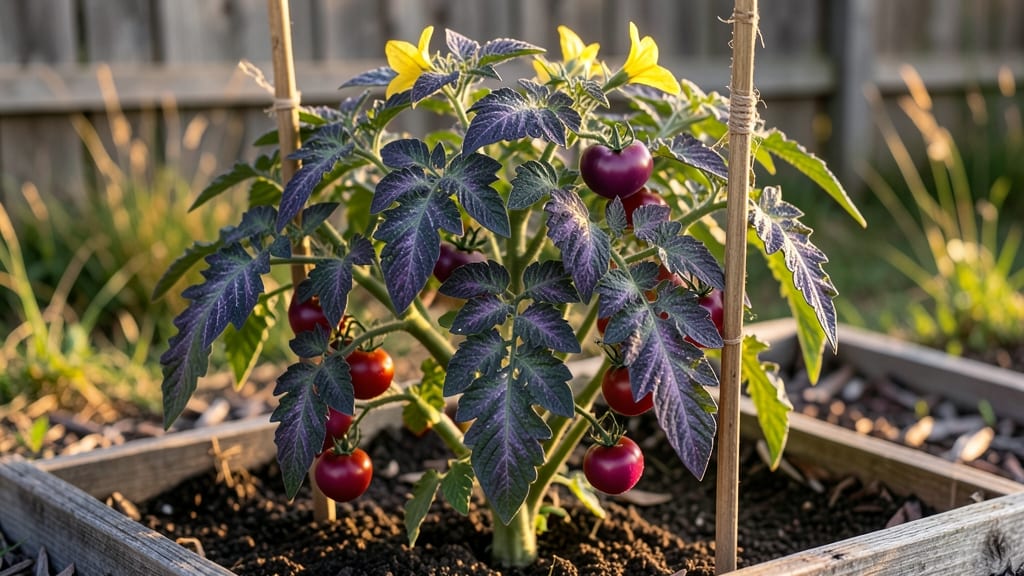
Growing the Purple Galaxy tomato feels like cultivating a living work of art—its deep purple stripes and green shoulders make every vine a conversation starter. 🌱 I fell in love with this heirloom after my first harvest, where the slices turned my pasta sauce a stunning magenta and my neighbors asked for seeds within hours.
This tomato thrives in full sun (6-8 hours daily) and warm soil (70°F+), but its real magic lies in its resilience. Unlike most tomatoes, you can regrow it from scraps—just root a stem in water, and you’ve got a new plant in weeks.
Perfect for small gardens or containers (5-gallon pots work), it even handles partial shade better than many varieties. By midsummer, you’ll be harvesting glossy, striped fruit that’s as beautiful as it is delicious—great for salads, sauces, or just admiring in your kitchen.
The plants stay compact (4-5 feet tall) and produce steadily all season, with fewer blight issues than standard tomatoes. Here’s the trick: keep soil consistently moist but not soggy, and pinch off early flowers to boost vine strength.
Whether you’re growing in a pot or plot, this tomato delivers both beauty and bounty with minimal fuss.
📚 In This Guide
- What you need
- Instructions
- Tips and common mistakes
- Wrapping up and next steps
What you need
- ● Purple Galaxy Tomato Seeds or Seedlings: 1-2 plants (or 3-5 seeds if starting from scratch). Look for heirloom or organic seeds for best results!
- ● Containers or Garden Bed: For Regrowing from Scraps: A shallow dish (6+ inches wide) with water (e.g., a saucer, small bowl, or repurposed container).
- ● For Transplanting: A 5-gallon pot (minimum) or garden bed with well-draining soil. Pro Tip: 💡 Use a pot with drainage holes to prevent root rot!
- ● Potting Mix: 1 bag (1-2 cubic feet) of high-quality, well-draining seed-starting mix or tomato-specific soil. Avoid garden soil—it’s too dense!
- ● Watering Can or Spray Bottle: For gentle hydration (especially when sprouting scraps).
- ○ Fertilizer: Optional but Recommended: Balanced liquid fertilizer (e.g., 10-10-10) or compost tea for nutrient boosts.
- ● Slow-Release Option: 1-2 pellets of organic tomato fertilizer (like Osmocote) mixed into the soil.
- ● Scissors or Knife: For trimming tomato stems/scraps (sterilize with rubbing alcohol!).
- ● Tweezers or Chopsticks: Helps position scraps in water for regrowth. 🌡️ Pro Tip: Keep 1-2 inches of the stem submerged!
- ○ Grow Lights (Optional): A 12-16 inch LED grow bulb if starting indoors with limited sunlight.
- ● Support System: For Pots: 1 tomato cage or bamboo stakes (3-4 feet tall).
- ● For Garden Beds: 2-3 stakes + twine for trellising.
- ● Sunlight Access: A sunny windowsill (6+ hours/day) or outdoor space with full sun (8+ hours).
- ● Patience & Love: These tomatoes thrive with consistent care—just like your future harvest! ✨
Step-by-step instructions for growing Purple Galaxy tomatoes
Here's how to grow this stunning heirloom from seed to harvest—plus the secret to propagating new plants from scraps.
🌱 Step 1: Start Seeds Indoors 8-10 Weeks Before Last Frost
Fill a 2-3 inch deep seed tray with moistened seed-starting mix and press it down gently so it's firm but not compacted. Drop 2 seeds per cell about ¼ inch deep—burying them deeper slows germination. Cover lightly with extra mix and mist until the surface looks damp but not soaked.
Place the tray in a warm spot at 70-75°F (a seedling heat mat helps). Germination takes 7-14 days—you'll see tiny sprouts when the first true leaves appear. Thin to the strongest seedling per cell once they have 2 sets of leaves.
☀️ Step 2: Move to Bright Light and Harden Off
Once seedlings have 2-3 true leaves, place them under grow lights for 14-16 hours daily. Keep the lights 2-4 inches above the plants and raise them as the seedlings grow. Without enough light, stems stretch and weaken—look for thin, leggy growth as a warning sign.
Two weeks before transplanting, begin hardening off by moving seedlings outside for 1-2 hours daily, gradually increasing time. Watch for wilting or yellowing leaves—this means they're not ready yet. Purple Galaxy tomatoes thrive in full sun but need time to adapt.
🪴 Step 3: Transplant to Garden or Large Containers
Choose a sunny spot with 6+ hours of direct sun and well-draining soil. Bury the seedlings deeper than usual—up to the first set of leaves—since tomatoes grow new roots along their stems. Space plants 24-36 inches apart to allow for their sprawling vines.
Water deeply at planting to settle the soil, then water at the base 1-2 inches per week. Mulch with 2-3 inches of straw or grass clippings to retain moisture and prevent soil-borne diseases. Avoid wetting leaves to reduce fungal risks.
🌿 Step 4: Support Vines and Prune for Better Fruit
Install a 6-foot tall trellis or cage and gently weave vines through as they grow. Prune suckers (the small shoots that form in the leaf axils) to encourage stronger fruit production. Purple Galaxy tomatoes produce striped, beefsteak-sized fruit—leave 4-6 tomatoes per cluster for the best size.
Fertilize lightly with balanced tomato fertilizer every 4-6 weeks once flowers appear. Over-fertilizing leads to leafy growth at the expense of fruit. Watch for yellowing lower leaves—this is normal as the plant matures, but remove them to redirect energy to the fruit.
✂️ Step 5: Harvest and Propagate From Scraps
Harvest when tomatoes reach 3-4 inches wide and have deep purple stripes. Gently twist or cut the stem—don't pull, or you risk damaging the vine. Purple Galaxy tomatoes ripen unevenly, so check clusters every 2-3 days.
Here's the magic: Save the stem ends (about 2 inches) after harvesting. Dip them in rooting hormone and place in moist potting mix. Keep them in bright, indirect light until roots form (2-4 weeks). You'll have new plants ready for next season!
Tips & tricks for growing Purple Galaxy tomatoes
These little details make all the difference when growing these showstopping striped tomatoes—trust me, I've learned them the hard way!
The Germination Factor: Don't rush the 7-14 day germination window. If your seeds haven't sprouted by day 14, they might need a little help. Try gently pressing down on the seed tray to improve soil contact, or consider soaking seeds overnight in water before planting. The key is patience—these heirlooms are worth the wait!
Lighting Secrets: Those 14-16 hours of grow light daily are non-negotiable for sturdy seedlings. I use LED grow lights on a timer to automate this, but if you're using natural light, rotate your tray daily so all sides get equal exposure. Watch for leggy seedlings as your first warning sign—this means they're light-starved and need more intensity.
Transplanting Hack: When burying seedlings deeper than usual (up to first leaves), make a small trench around each plant to encourage root growth into the surrounding soil. This helps compensate for the Purple Galaxy's sprawling nature. Also, transplant on a cloudy day to reduce stress on your young plants.
Propagation Magic: For the stem cutting method, use a sharp knife to cut cleanly just below a leaf node. The 2-inch length is perfect—too short and it won't root well, too long and you waste space. Keep the cuttings in a humid environment (like a plastic bag with holes) until roots form, which usually takes about 2 weeks.
Pro Tips for Purple Galaxy Tomato
- These little details make all the difference when growing these showstopping striped tomatoes—trust me, I've learned them the hard way!
- The Germination Factor: Don't rush the 7-14 day germination window.
- Lighting Secrets: Those 14-16 hours of grow light daily are non-negotiable for sturdy seedlings.
Frequently asked questions
Got questions about growing your own Purple Galaxy Tomato? You’re not alone! This stunning heirloom variety is as fascinating as it is delicious, but it does come with a few quirks. Here are some of the most common questions—and answers—to help you succeed.
Can I grow Purple Galaxy Tomatoes from scraps like regular regrowing tomatoes?
The Purple Galaxy Tomato is part of the Solanum lycopersicum family, but its striped beauty makes it a bit trickier to regrow from scraps. While you can try rooting the stem in water (like with green tomatoes), success rates are lower due to its hybrid traits. For best results, start with seeds or a store-bought plant—just ensure it’s organic or seed-saved!
How long does it take for Purple Galaxy Tomatoes to produce fruit?
Patience is key! From seed, expect 60–85 days to harvest, depending on your climate and growing conditions. If you’re transplanting a young plant, you might see fruit in 45–60 days. Pro tip: Use black plastic mulch or cold frames to warm the soil early—this speeds up growth in cooler zones!
Are Purple Galaxy Tomatoes easier to grow than other heirlooms?
They’re moderately easy but require a few extra steps. Unlike disease-prone heirlooms, they’re resistant to some pests (like Fusarium wilt), but they still need full sun (6–8+ hours/day), well-draining soil, and consistent watering. Their vines can sprawl, so plan for caging or staking—they’re not as compact as cherry tomatoes.
What’s the best way to use Purple Galaxy Tomatoes in cooking?
These tomatoes are sweet, juicy, and low-acid, making them perfect for raw applications! Try them in salads, gazpacho, or as a garnish for burgers. For cooking, avoid over-heating—their vibrant colors fade, and their texture softens quickly. Pro tip: Pair them with basil, mozzarella, and balsamic glaze for a showstopper dish!
Can Purple Galaxy Tomatoes survive frost, or do I need to protect them?
No frost, no fruit! These tomatoes are tender perennials but won’t tolerate temps below 32°F (0°C). If frost is forecasted, cover plants with frost cloth or move potted plants indoors. In cold climates, grow them in containers so you can relocate them seasonally. Warning: Even a light frost can ruin blossoms, so monitor weather closely!
Wrapping up and next steps
The Purple Galaxy Tomato isn’t just a stunning addition to your garden—it’s a versatile, regenerative powerhouse! 🌱 With its striking stripes, ability to regrow from scraps, and rich nutritional benefits, this tomato is perfect for both beginners and seasoned gardeners.
Whether you’re growing it for its beauty, sustainability, or flavor, you’re already part of a rewarding journey.
Ready to take the next step? Start small—plant a few scraps or seeds, experiment with companion plants, and share your harvest with friends. Your garden (and taste buds) will thank you!