
Vegetables
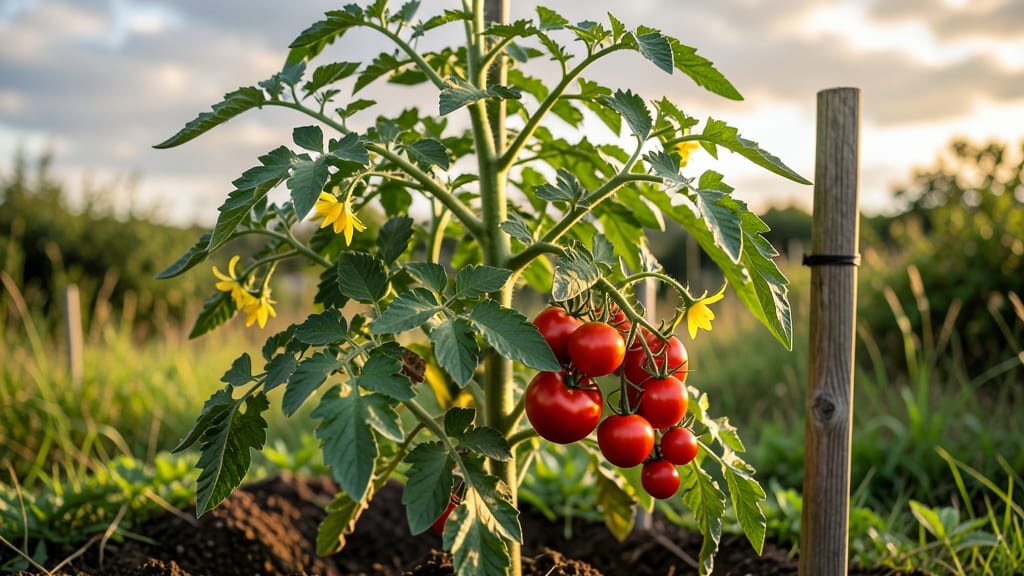
Choosing the right tomato size starts with knowing your space and your appetite. 🌱 My first beefsteak tomato nearly split its cage—until I learned how variety, pruning, and sunlight actually determine fruit size. The biggest tomatoes (like 'Brandywine') need room to sprawl, while pint-sized 'Tiny Tim' thrives in 5-gallon pots.
Sunlight is non-negotiable: full sun (6+ hours daily) makes the difference between golf-ball tomatoes and baseball-sized beauties. I’ve seen plants double in yield just by moving them to a sunnier spot. Soil matters too—rich, well-draining mix with compost feeds those giant fruits, while poor soil stunts even the hardiest varieties.
Pruning is where the magic happens. Pinching suckers (those little shoots between stems) redirects energy to fewer, larger fruits. My 'Sungold' cherry tomatoes went from pea-sized to plump when I pruned aggressively. Just don’t overdo it—too much pruning stresses the plant and cuts yield.
Seasonal care keeps tomatoes growing big all summer. Mulch retains moisture (critical in heatwaves), and consistent watering prevents cracking. The payoff? Tomatoes so large they need two hands—and enough extras to share with neighbors. Let’s pick the perfect variety for your space!
📚 In This Guide
- What you need
- Instructions
- Tips and common mistakes
- Wrapping up and next steps
What you need
- ● Tomato seeds or seedlings: Choose varieties suited to your growing conditions (e.g., Cherry tomatoes for containers, Beefsteak for gardens). Start with 4–6 plants for a small harvest or 10+ plants for larger yields.
- ● Containers (if growing in pots): 5-gallon pots or larger (minimum 12–18 inches deep) for dwarf varieties; 10+ gallons for larger plants. Use fabric or plastic pots with drainage holes.
- ● Garden soil or potting mix: High-quality, well-draining mix (e.g., Miracle-Gro Moisture Control or FoxFarm Ocean Forest). Avoid garden soil alone—it compacts too easily! 5–10 gallons per container or 1 cubic yard for garden beds.
- ● Fertilizer: Balanced, organic fertilizer (e.g., 5-5-5 or 10-10-10) or compost. Use 1–2 tbsp per plant at planting and every 2–3 weeks during growth.
- ● Support structures: Cages or stakes: 6–8 ft tall for indeterminate varieties (e.g., Sungold), 4–5 ft for determinate (e.g., Roma).
- ● Trellis or tomato clips: For vining varieties in containers.
- ● Gloves (gardening or nitrile for handling seedlings).
- ● Trowel or hand shovel (for transplanting).
- ● Watering can or hose with a gentle nozzle (avoid blasting seedlings!).
- ● Pruning shears (for trimming suckers and dead leaves).
- ○ pH test kit (optional but helpful—tomatoes thrive in 6.0–6.8 pH).
- ● Mulch (straw or shredded leaves) (to retain moisture and suppress weeds).
- ● Sunlight: 6–8+ hours of direct sun daily. Containers may need south-facing placement or supplemental grow lights.
- ● Water: 1–2 inches per week (more in heat). Water at the base of plants to avoid fungal diseases.
- ● Climate: Tomatoes prefer warmth (70–85°F). Start seeds 6–8 weeks before last frost or buy transplants after danger of frost has passed.
- ● Pest control: Neem oil or insecticidal soap (for aphids, hornworms). Row covers can protect young plants.
Understanding tomato size: how to choose the right varieties for your space
Tomato size matters more than you think—it determines your container needs, harvest timing, and even flavor intensity.
🌱 Step 1: Identify Your Space Constraints
Measure your growing area first. Determinate varieties (bush types) stay under 3-4 feet tall and produce fruit in clusters over 60-75 days, making them ideal for 5-gallon containers or small garden plots. Look for names like 'Roma,' 'Celebrity,' or 'Patio Princess'—these stay compact and deliver steady harvests without staking.
Indeterminate varieties, like 'Sungold' or 'Brandywine,' grow 6-12 feet tall and need 10+ gallons per plant plus sturdy cages or trellises. These vining types produce fruit continuously until frost but require more space. I always check the plant's mature height label—it's the single most important factor when selecting varieties for containers.
🪴 Step 2: Match Variety to Container Size
For 5-gallon containers, choose cherry tomatoes like 'Tiny Tim' or 'Micro Tom'—these thrive in 12-18 inch deep pots and produce ½-inch diameter fruits. The key is root space: indeterminate vines need at least 3 cubic feet per plant to support their growth. I use 7-gallon fabric grow bags for larger indeterminate types like 'Black Krim' because they allow roots to expand without circling.
Notice how the soil dries faster in smaller containers—water every 2-3 days when the top 1 inch feels dry. Larger containers retain moisture longer, so check the soil 1-2 inches down before watering. Overwatering in containers is the #1 reason tomato plants develop blight—always let excess water drain completely.
☀️ Step 3: Consider Fruit Size for Your Needs
Cherry tomatoes (½-1 inch diameter) like 'Sweet Million' produce 50-100 fruits per plant and ripen in 55-65 days. These are perfect for snacking or salads and thrive in containers. Larger slicing tomatoes (2-3 inches diameter) like 'Better Boy' need 10+ gallons and 8+ feet of trellis space to support their weight.
Here's the thing—smaller tomatoes concentrate their sugars, so they often taste sweeter than their larger counterparts. I always plant at least one cherry variety alongside my slicers because they ripen faster and give me harvests earlier in the season. Watch for the first pink blush on the fruit—this is your cue to start checking daily for fully ripe tomatoes.
✂️ Step 4: Plan for Pruning and Support Based on Size
Determinate varieties rarely need pruning beyond removing suckers (side shoots) that form in the leaf axils. Indeterminate types, however, benefit from regular pruning to direct energy to fruit production. I remove all suckers larger than ½ inch and prune lower leaves that touch the soil to prevent disease.
Support matters most with larger varieties. A 5-foot tomato cage works for medium-sized determinates, but indeterminates need 8-foot stakes or sturdy trellises. Tie stems to supports with soft plant ties every 12 inches—this prevents wind damage and makes harvesting easier. You'll see the difference immediately when you can reach up and pluck ripe tomatoes without bending over.
⏰ Step 5: Time Your Planting for Optimal Size Development
Start seeds 6-8 weeks before last frost for determinates and 8-10 weeks for indeterminates. The extra time gives vining types more root development before transplanting. I always harden off seedlings for 10-14 days before moving them to the garden—this prevents shock and ensures steady growth.
Watch for the first true leaves (not the initial seed leaves) to appear—this is your signal that the seedling has established roots. For container plants, I transplant when they reach 6-8 inches tall with 4-6 true leaves. Larger plants handle transplant shock better and start producing sooner. Remember, container tomatoes have less root space, so they need consistent care from day one.
Tips & tricks for perfect tomato variety selection
Choosing the right tomato varieties for your space can transform your harvest from disappointing to downright abundant. Here's what I've learned after years of trial and error—these details make all the difference.
Container Depth Matters: Never underestimate how quickly soil dries in containers. For 5-gallon containers with cherry tomatoes, I've found that 12-18 inch depth is crucial—any shallower and roots struggle to establish. The key is to use lightweight potting mix with added perlite to improve drainage and aeration. This prevents the compacted soil that leads to root rot, especially in those small containers where moisture control is everything.
Fruit Size Determines Support Needs: That 2-3 inch diameter of slicing tomatoes like 'Better Boy' might seem manageable, but each fruit can weigh 6-8 ounces when fully ripe. This weight requires proper support—8-foot trellises aren't just for show. I've seen plants collapse under their own fruit load, which not only damages the tomatoes but also stresses the plant. For container varieties, I use 5-foot cages with extra cross-bracing—it's worth the investment to prevent broken stems.
Pruning Precision Pays Off: When removing suckers larger than ½ inch from indeterminate varieties, I always make clean cuts at a 45-degree angle just above a leaf node. This technique encourages faster healing and prevents disease entry points. For determinates, I focus on removing only the largest suckers—those under ½ inch often don't compete with the main stem and can actually provide extra foliage for shade. The difference in plant health and fruit production is noticeable within just a few weeks.
Transplant Timing is Critical: Waiting until seedlings reach 6-8 inches tall with 4-6 true leaves before transplanting gives them the root strength to handle container life. I've found that smaller seedlings struggle in containers because their limited root systems can't compete with weeds or absorb enough water. For indeterminates, I give them an extra week of hardening off—this 10-14 day period is non-negotiable for container plants, which face more environmental fluctuations than in-ground varieties.
Pro Tips for Size Of Tomato
- Choosing the right tomato varieties for your space can transform your harvest from disappointing to downright abundant.
- Container Depth Matters: Never underestimate how quickly soil dries in containers.
- Fruit Size Determines Support Needs: That 2-3 inch diameter of slicing tomatoes like 'Better Boy' might seem manageable, but each fruit can weigh 6-8 ounces when fully ripe.
Frequently asked questions
Got questions about tomato size? Whether you're squeezing plants into containers or dreaming of giant beefsteaks, here’s what you need to know:
What’s the average size of a tomato?
A standard grocery-store tomato (like Roma or Beefsteak) typically weighs 4–6 ounces and measures 2–3 inches in diameter. Cherry tomatoes are tiny (½–1 oz, 1–1.5 inches), while heirloom varieties can reach 1–2 pounds! Size varies by variety, growing conditions, and pruning.
How long does it take for tomatoes to reach full size?
Most tomato varieties take 70–100 days from transplant to harvest, depending on the type. Cherry tomatoes mature fastest (60–70 days), while giant heirlooms (like Brandywine) can take 85–100+ days. Warm soil, consistent watering, and proper sunlight speed up ripening!
Can I grow large tomatoes in containers?
Yes! Choose determinate varieties (like Patio or Tiny Tim) for compact growth (1–2 ft tall). For bigger tomatoes (e.g., Better Boy), use a 5-gallon+ container, deep soil, and sturdy stakes. Avoid overcrowding—root space matters more than pot size!
Why are my tomatoes staying small?
Small tomatoes often mean underwatering, poor sunlight, or nutrient deficiencies. Check for:
- 6+ hours of sun daily (tomatoes are sun-hungry!).
- 1–2 inches of water per week (drought stress stunts growth).
- Balanced fertilizer (high in phosphorus for flowering).
- Prune suckers to focus energy on fruit.
What’s the largest tomato variety I can grow?
For giant tomatoes, try:
- Brandywine (1–2 lbs each, heirloom flavor).
- Black Krim (large, meaty, and disease-resistant).
- Siberian (cold-hardy and massive).
Wrapping up and next steps
Choosing the right tomato size for your garden or container isn’t just about space—it’s about flavor, yield, and joy! Whether you’re growing cherry tomatoes for snacks, beefsteak varieties for sandwiches, or heirlooms for showstopping harvests, the perfect size exists for your needs.
Now that you’re armed with the best varieties and care tips, it’s time to roll up your sleeves and plant—your future tomatoes are waiting!
🌱 Next step: Pick your favorite variety, grab your gloves, and start growing! Track your progress with a garden journal or share your harvest with fellow gardeners. Happy planting! 🍅✨