
Vegetables
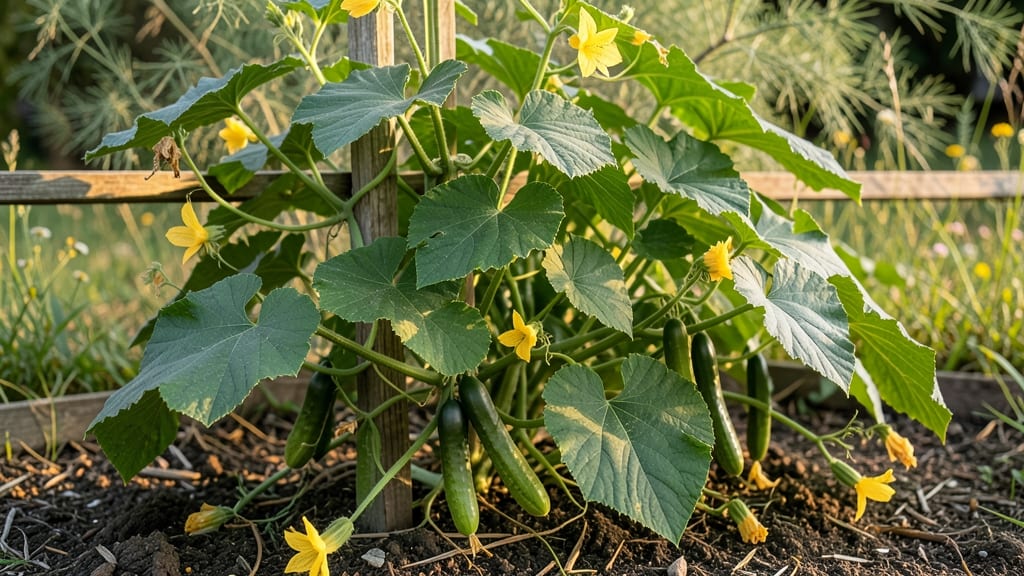
See the stages of cucumber growth pictures in action as your plants go from tiny seeds to towering vines in just 8-10 weeks! 🌱 This visual guide shows you exactly what to expect at each stage—from the first green sprouts breaking soil to the day you pick crisp, vine-ripened cucumbers straight from the plant.
You’ll learn to spot the subtle differences between healthy seedlings and leggy, weak ones, when to expect those first delicate yellow flowers (and how to hand-pollinate if bees aren’t visiting), and why some cucumbers turn bitter or lopsided.
Each stage comes with care adjustments—more water here, less shade there—to keep your plants thriving.
The payoff? A steady harvest of cucumbers so fresh they taste nothing like store-bought. You’ll recognize the perfect picking moment—firm but tender, with that signature cucumber scent—so nothing goes to waste. Even if you’ve struggled with cucumbers before, this step-by-step approach makes it foolproof.
Whether you’re growing in a backyard, balcony containers, or a greenhouse, the same stages apply. Let’s walk through each one with clear descriptions (and what to watch for) so you can troubleshoot early and enjoy a bumper crop by summer’s end.
📚 In This Guide
- What you need
- Instructions
- Tips and common mistakes
- Wrapping up and next steps
What you need
- ● Seeds: 10–20 non-GMO cucumber seeds (choose heirloom or hybrid varieties like 'Straight Eight,' 'Lemon,' or 'Marketmore').
- ● Growing Containers or Garden Bed: For containers: 5-gallon pots or larger (1 plant per container).
- ● For garden beds: Well-draining soil, 12–18" deep, with full sun (6+ hours/day).
- ● Potting Mix or Soil: 5–10 lbs of high-quality, organic potting mix or garden soil (amend with compost for better drainage).
- ● Fertilizer: Balanced fertilizer (10-10-10) or compost tea for seedlings.
- ● Low-nitrogen, high-potassium fertilizer (e.g., 5-10-10) when flowers appear.
- ● Watering Can or Hose: With a gentle spray nozzle (cucumbers need 1–2 inches of water per week).
- ○ Trellis or Cage: 4–6 ft tall (optional but highly recommended for vertical growth—saves space and improves airflow!).
- ● Garden Gloves – Protect your hands from thorns (especially on bush varieties!).
- ● Pruning Shears – For trimming excess vines or dead leaves.
- ● Mulch (Straw or Shredded Leaves) – Retains moisture and suppresses weeds.
- ● Row Covers or Shade Cloth – Protects seedlings from pests or intense sun.
- ● pH Test Kit – Ideal soil pH: 6.0–6.8 (adjust with lime or sulfur if needed).
- ● Harvest Basket or Scissors – For picking cucumbers cleanly (cut stems to encourage more growth!).
Visual guide to cucumber growth stages: seed to harvest
Here's how to recognize each phase—from tiny sprouts to vine-ripping fruits—so you never miss a moment.
🌱 Step 1: Germination and Seedling Emergence
After sowing seeds ½ inch deep in warm soil (70-85°F), germination takes 5-10 days. You'll spot the first sign when tiny green hooks break through the soil surface—these are your cotyledons, the plant's first true leaves. They look like tiny, rounded shields, not the feathery leaves that come later.
Keep the soil consistently moist but never soggy during this stage. I use my finger to check moisture—if the top inch feels dry, it's time to water. Once those cotyledons unfurl, you're past the most vulnerable phase, but don't relax yet. Seedlings need bright light immediately to prevent leggy growth.
🌿 Step 2: True Leaf Development and Vine Formation
Within 2-3 weeks after germination, you'll see the real action: true leaves appear—these are the serrated, lance-shaped leaves that look like miniature cucumber foliage. This is when the plant starts photosynthesizing for real, so move it to 6+ hours of sunlight daily if it's been in artificial light.
The vine begins creeping now, so provide trellis support early. I tie the main stem to the trellis at 12 inches tall to encourage upward growth. Watch for the first tendrils—these curly little appendages are how cucumbers climb. If you see them wrapping around the trellis, you're on track.
☀️ Step 3: Flowering and Pollination
About 4-6 weeks after planting, you'll spot the first flowers—tiny yellow blooms that appear at leaf junctions. These are your first clue that fruit is coming. Cucumbers can be self-pollinating, but sometimes they need help, especially in containers or greenhouses. On warm, still days, I gently shake the vines to encourage pollen transfer.
Not all flowers will produce fruit—some are male, some female. Female flowers have a tiny cucumber-shaped swelling at their base. Once pollinated, these will swell into fruit within 7-10 days. Remove any male flowers if you want to focus energy on fruit development, unless you're saving seeds.
🍉 Step 4: Fruit Development and Maturity
This is the stage most gardeners wait for: 3-5 weeks after flowering, you'll see small cucumbers forming. They start as pea-sized bumps, then grow rapidly. The key is consistency—water deeply 2-3 times per week to keep soil moist but not waterlogged. Too much water causes bitter fruit, while too little leads to cracked skins.
Harvest readiness varies by variety. Slicing cucumbers are best when 6-8 inches long and firm to the touch. Pickling cucumbers should be 2-3 inches when harvested. I check daily at this stage—overripe cucumbers turn yellow and get seedy fast. Use clean shears or pruners to avoid damaging the vine.
⏰ Step 5: Post-Harvest and Plant Care
After your main harvest, don't pull the plant just yet. Many cucumber varieties produce 2-3 weeks of secondary fruit if you keep them healthy. Prune any yellowing leaves to redirect energy to new growth. If your climate allows, you can extend the season by covering plants with row fabric on cool nights.
The final stage is cleanup. Once frost threatens or vines turn brown, remove the plants. Compost healthy vines—they're nutrient-rich. I always save a few seeds from my best-performing plants for next year. Store them in a cool, dry place until spring planting. The cycle begins again!
Tips & tricks for perfect cucumber growth stages
Real talk: Understanding these visual cues transforms your garden from guessing to growing with confidence. Here's what I've learned from years of cucumber cultivation—these details make all the difference.
Soil Temperature Secret: The 70-85°F soil temperature range isn't just a number—it's the difference between seeds that sprout and seeds that rot. I've seen germination fail completely when soil was only 65°F, even with perfect moisture. Use a soil thermometer for the first two weeks to avoid disappointment. For container growers, place pots in sunny spots that absorb heat, like black plastic trays or dark mulch.
Lighting Strategy: That 6+ hours of sunlight requirement in Step 2 is non-negotiable for true leaf development. I've watched seedlings stretch toward weak windows only to develop into leggy, weak plants that never produce. If your natural light is insufficient, supplement with a grow light 12 inches above the plants for 14-16 hours daily. The key is intensity—you want light strong enough to cast shadows.
Flower Identification: Here's what nobody tells you about those first flowers: male flowers grow on long stems and look like tiny trumpets, while female flowers sit directly in leaf axils with that telltale cucumber bump. I train new gardeners to pinch off the first 3-4 male flowers—the plant needs to focus energy on establishing its root system before fruit production. This simple step can double your yield in the early season.
Harvest Timing: The 6-8 inch size guideline for slicing cucumbers is your sweet spot for flavor and texture. I harvest mine when they're still slightly firm to the touch—think of them as cucumbers that could bounce if you dropped them. For pickling varieties, I use a ruler to check size daily after the first fruit appears. Overripe cucumbers not only lose flavor but also attract pests like cucumber beetles, which can devastate your plants.
Pro Tips for Stages Of Cucumber Growth Pictures
- Real talk: Understanding these visual cues transforms your garden from guessing to growing with confidence. Here's wh...
- Soil Temperature Secret: The 70-85°F soil temperature range isn't just a number—it's the difference between seeds tha...
- Lighting Strategy: That 6+ hours of sunlight requirement in Step 2 is non-negotiable for true leaf development. I've ...
Frequently asked questions
Got questions about growing cucumbers? You’re not alone! Here are answers to the most common queries about cucumber growth stages, from seed to harvest.
How long does it take for a cucumber plant to produce fruit?
Cucumber plants typically take 50–70 days to produce fruit after planting, depending on the variety and growing conditions. Fast-maturing varieties (like ‘Straight Eight’) may bear fruit in as little as 45–55 days, while heirlooms can take longer. Warm soil and consistent moisture speed up the process!
Why are my cucumber flowers falling off before fruiting?
This usually happens due to pollination issues (especially in greenhouse or self-pollinating varieties) or stress from overwatering, extreme heat, or nutrient deficiencies. Hand-pollinate by gently brushing flowers with a soft brush, or ensure bees visit your garden. If stress is the cause, adjust watering and provide shade during heatwaves.
Can I harvest cucumbers at different stages of growth?
Cucumbers can be harvested at various stages:
- Baby cucumbers: 2–4 inches (great for pickling).
- Standard slicing cucumbers: 6–8 inches (crisp and firm).
- Long/heirloom varieties: 10+ inches (harvest when seeds are soft but still green).
What should I do if my cucumber plant has yellow leaves?
Yellow leaves often signal overwatering, underwatering, or nutrient deficiencies (like nitrogen or magnesium). Check the soil moisture—it should stay consistently damp but not soggy. If the issue persists, fertilize with a balanced vegetable feed or compost. Yellowing on older leaves? It’s likely normal aging; focus on new growth.
How do I know when cucumbers are ready to pick?
Cucumbers are ready when they’re:
- Firm to the touch (no soft spots).
- Bright green (some varieties stay green when ripe; others turn yellow or white).
- 6–8 inches long (unless you’re growing a specific variety).
Wrapping up and next steps
Watching cucumbers grow from tiny seeds to crisp, vine-ripened veggies is like witnessing nature’s own green magic! 🌱 From sprouting to fruiting, each stage offers a rewarding glimpse into the plant’s journey—and now, you’re equipped with the perfect visual guide to track progress.
Whether you’re a first-time gardener or a seasoned green thumb, celebrate every milestone, because every leaf and bloom is a step toward a bountiful harvest.
Ready to put your knowledge into action? Grab your gardening gloves, head back to your plot, and watch those cucumbers thrive! Need extra tips? Check out our companion planting guide or join a local gardening community to share your progress. Happy growing! 🌿