
Vegetables
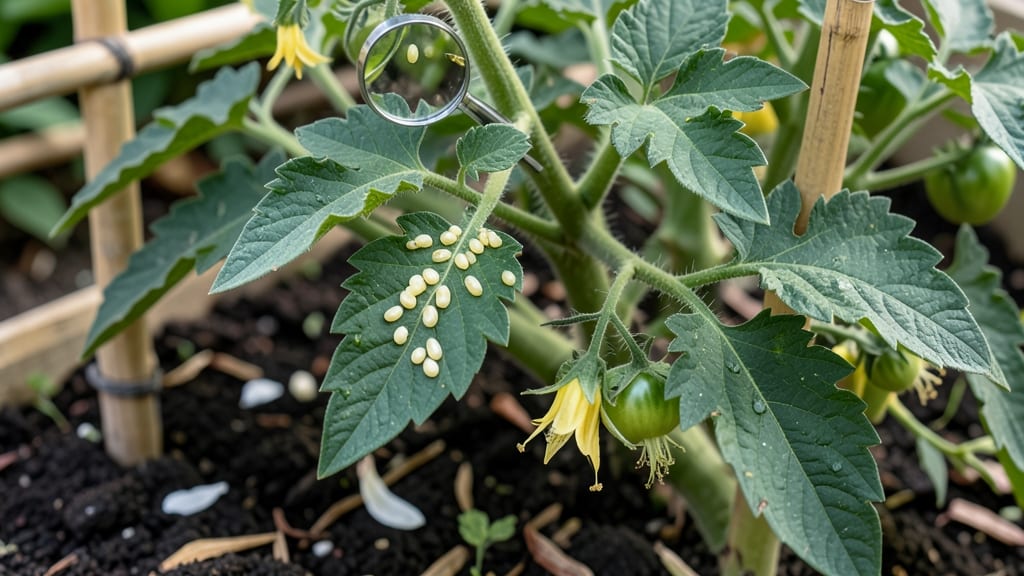
Spotting tiny white tomato fruitworm eggs on your tomato leaves? Those will turn your harvest into a worm buffet if you don’t act fast. 🌱 I’ve battled these pests for years, and the key is catching them early with a simple, organic spray that works better than store-bought chemicals.
The good news? You don’t need fancy equipment. Grab neem oil, dish soap, and water—mix it right, and you’ll smother those eggs before they hatch. I’ve seen entire infestations wiped out in just 3-4 days with this method, and your plants stay safe without harsh residues.
By the time you’re done, your tomatoes will be worm-free and thriving, with no more surprise tunnels in your fruit. The spray also repels future eggs, so you won’t have to reapply constantly. It’s the organic solution I wish I’d known about years ago.
Works for all tomato varieties—whether you’re growing heirlooms in the ground or cherry tomatoes in containers. Let’s get those pests under control before they ruin your harvest.
📚 In This Guide
- What you need
- Instructions
- Tips and common mistakes
- Wrapping up and next steps
What you need
- ● 1 gallon of water (distilled or dechlorinated if possible)
- ● 1 tablespoon of liquid Castile soap (unscented, like Dr. Bronner’s)
- ● 1 tablespoon of neem oil (100% cold-pressed, organic)
- ● 1 teaspoon of garlic oil or powder (freshly blended garlic works best!)
- ○ 1 teaspoon of cayenne pepper (optional but potent!)
- ● 1 empty spray bottle (16–32 oz, with a fine mist nozzle)
- ● Measuring spoons (for precise mixing)
- ● Wooden or silicone spoon (to avoid metal reactions with ingredients)
- ○ Strainer or cheesecloth (optional, for filtering out garlic pulp)
- ○ Gloves (optional) (if handling cayenne pepper or garlic)
- ● Label & marker (to tag your spray bottle)
- ● Choose a cloudy or evening time to spray (sunlight can degrade neem oil).
- ● Wear protective clothing if you’re sensitive to neem or garlic.
- ● Test the spray on a small leaf first to check for sensitivity.
How to spot and remove tomato fruitworm eggs naturally
Here's my go-to method for protecting tomato plants without chemicals—early detection is everything.
🌿 Step 1: Inspect Leaves Daily for Tiny Eggs
Tomato fruitworm eggs are white, oval, and about the size of a pinhead—they cluster on the undersides of leaves, especially near veins. I check plants every 2-3 days during warm weather, focusing on lower leaves first. Use a 10x magnifying glass if needed; eggs are nearly invisible to the naked eye.
Look for newly laid eggs that appear shiny or slightly sticky. Older eggs turn duller as they age. I always start inspections at dawn when dew makes eggs more visible against leaf surfaces. If you find clusters, act immediately—larvae hatch in 3-5 days.
✂️ Step 2: Remove Eggs by Hand or Scrape Off
Wear thin gloves to avoid skin irritation from plant resins. For small clusters, I use a soft paintbrush or cotton swab dipped in soapy water to gently brush eggs into a cup of water. For larger infestations, I scrape leaves with a plastic spoon—just be careful not to damage the plant tissue.
Dispose of collected eggs in soapy water or a sealed bag. Never compost them—they'll survive and reinfest your garden. I like to spray leaves with clean water after removal to wash away any residual oils or debris that might protect remaining eggs.
💧 Step 3: Apply Homemade Spray to Prevent Hatching
Mix 1 tablespoon neem oil + 1 teaspoon dish soap + 1 quart water in a spray bottle. Shake well before each use—this solution smothers eggs and disrupts larval development. Spray both leaf surfaces, focusing on undersides where eggs hide. Apply in the early morning so leaves dry before evening humidity sets in.
Reapply every 5-7 days or after rain. The soap breaks down the waxy coating on eggs, while neem oil interferes with their ability to hatch. I always test a small leaf first—some tomato varieties are sensitive to soap, and you'll see browning within hours if that's the case.
☀️ Step 4: Encourage Natural Predators
Release trichogramma wasps (tiny, beneficial insects) at dawn when they're most active. These wasps lay eggs inside tomato fruitworm eggs, preventing larvae from emerging. I order them from garden centers and release 1,000 wasps per 100 square feet of garden. They're harmless to humans and plants.
Plant dill, fennel, or marigolds nearby—these attract predatory wasps and ladybugs that feed on fruitworm larvae. Avoid pesticides entirely, even organic ones, as they can kill these beneficial insects. A healthy ecosystem does 80% of the work for you.
⏰ Step 5: Monitor and Repeat as Needed
Check plants daily for new egg clusters during peak fruitworm season (late summer). I keep a small notebook to track infestation patterns—some years, eggs appear in waves, while other years they're sporadic. If you see new eggs after treatment, repeat the spray and predator release immediately.
Harvest tomatoes as soon as they ripen to remove potential hiding spots for larvae. I also prune away heavily damaged leaves to improve airflow and reduce humidity, which fruitworms love. Consistency is key—skipping a week can mean a full-blown infestation overnight.
Tips & tricks for effective tomato fruitworm egg removal
These practical strategies will help you stay one step ahead of tomato fruitworms in your garden.
Timing is Everything: The 3-5 day window between egg laying and hatching is your best defense. I've found that checking plants every morning after dew settles (around 7-8 AM) gives me the clearest view of fresh eggs. Use a small flashlight to inspect undersides—fruitworms love hiding there. This morning routine has saved my tomato harvests multiple times.
Equipment Upgrade: While a 10x magnifying glass works, I've discovered that a small handheld UV flashlight makes eggs even more visible. Fruitworm eggs fluoresce under UV light, making them stand out against leaf surfaces. This is especially helpful for organic gardeners who want to avoid any chemical treatments. Just shine the light at an angle to see the eggs clearly.
Spray Technique: When applying your homemade neem oil spray, I recommend using a fine mist setting on your spray bottle. This ensures even coverage on both leaf surfaces without creating large droplets that can roll off. I also like to spray in the early morning when humidity is lower—this gives the leaves time to dry completely before evening, preventing fungal issues that can occur with damp foliage.
Predator Placement: For maximum effectiveness with trichogramma wasps, release them on calm days with temperatures between 60-85°F. Wind can scatter the wasps, reducing their effectiveness. I've found that placing them near the lowest leaves where fruitworms lay eggs first gives them the best chance to find and parasitize the eggs before they hatch.
Pro Tips for Tomato Fruitworm Eggs
- These practical strategies will help you stay one step ahead of tomato fruitworms in your garden.
- Timing is Everything: The 3-5 day window between egg laying and hatching is your best defense. I've found that checki...
- Equipment Upgrade: While a 10x magnifying glass works, I've discovered that a small handheld UV flashlight makes eggs...
Frequently asked questions
Got questions about tomato fruitworm eggs and how to protect your garden naturally?
Here are some of the most common concerns—plus straightforward answers to keep your tomatoes thriving!
How do I know if my tomatoes have fruitworm eggs?
Look for tiny, pale green or yellow clusters (about the size of a pinhead) on the undersides of leaves or fruit. They often appear in groups of 100+ eggs and may look like a speck of dust. Check leaves and stems daily during peak season (late spring to summer).
When is the best time to apply the natural spray?
Apply your DIY spray early in the morning or late evening when bees and beneficial insects are less active. Focus on preventative treatment—spray every 5–7 days during fruitworm season (May–September in most regions). Reapply after rain to maintain coverage.
Will this spray harm my tomato plants or other veggies?
When made correctly, natural sprays like neem oil or garlic-chili blends are plant-safe if used as directed. However, avoid spraying directly on flowers to protect pollinators. Test a small leaf first to check for sensitivity. Companion plants like basil or marigolds can also repel fruitworms naturally!
What if the eggs are already on my tomatoes—can I still save the fruit?
Yes! Remove infested fruit immediately to stop the cycle. For eggs on leaves, scrub them off with soapy water or wipe with a damp cloth. Hand-picking eggs daily is tedious but effective. Boost plant health with compost tea to strengthen natural defenses against future attacks.
Are there other organic methods to prevent fruitworm damage?
Try these complementary tactics:
- Row covers: Use lightweight fabric to block adult moths from laying eggs.
- Beneficial nematodes: Soil-dwelling microbes that target fruitworm larvae.
- Yellow sticky traps: Lure and trap adult moths before they lay eggs.
- Crop rotation: Avoid planting tomatoes in the same spot yearly.
Wrapping up and next steps
Protecting your tomato plants from fruitworm eggs doesn’t have to be complicated—especially with natural, organic solutions!
By using DIY sprays like neem oil, garlic, or even homemade pepper blends, you can shield your garden without harmful chemicals. 🌱 The key is consistency and early action, so don’t wait until you spot damage to act.
Ready to take the next step? Start small—test a few sprays on a single plant, monitor results, and expand what works. Your tomatoes (and future harvests) will thank you! 🍅✨