
Vegetables
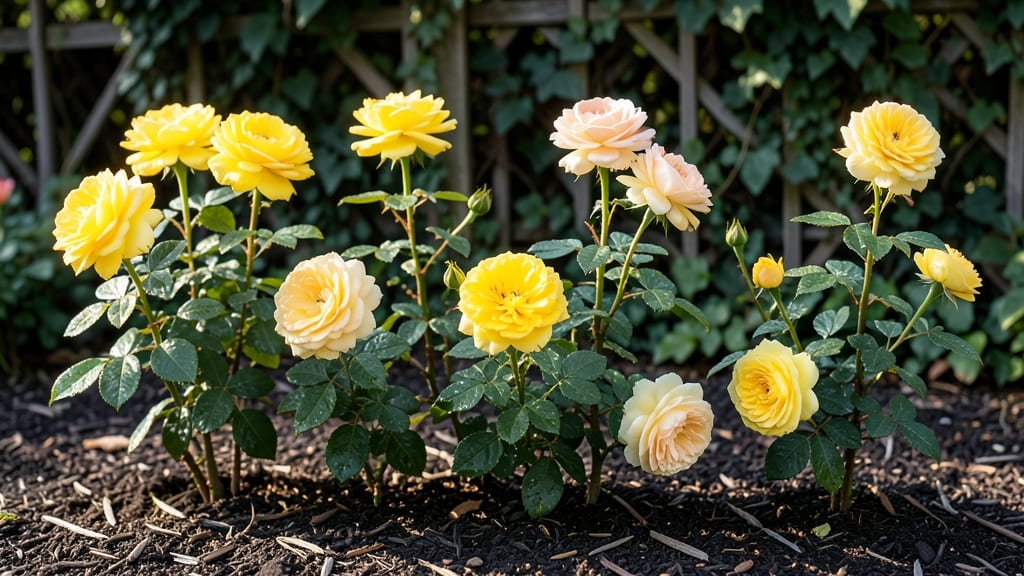
Yellow roses bring sunshine to any garden, and the types of yellow roses are my favorite for their bold, buttery petals that smell like a summer afternoon. 🌼 This variety isn’t just pretty—it’s disease-resistant, thrives in heat, and keeps blooming from spring through frost with the right care.
The secret? Pruning just after the first flush of flowers and feeding with compost-rich soil every spring.
Not all yellow roses are created equal—some bloom once, others repeat all season. 'New Dawn' is a climber that covers fences with pale yellow blooms, while 'Double Delight' packs 200+ petals per flower in a creamy hue.
For fragrance lovers, 'Knock Out' roses deliver nonstop blooms with a sweet, citrusy scent that fills the air on warm days. Each type needs slightly different sunlight: full sun for most, but 'New Dawn' tolerates partial shade.
Your yellow roses will reward you with vibrant color and fragrance if you mimic their natural habitat. Mulch heavily in winter to protect roots, water deeply once a week (more in summer), and deadhead spent blooms to encourage more flowers.
The payoff? A garden that smells like sunshine and never goes out of style.
Whether you’re planting a single bush or a dramatic hedge, yellow roses adapt to any sunny spot. Pair 'Julia Child' with lavender for a fragrant border, or let 'New Dawn' climb a trellis for a romantic backdrop.
With these varieties, your garden will stay cheerful and productive season after season.
📚 In This Guide
- What you need
- Instructions
- Tips and common mistakes
- Wrapping up and next steps
What you need
- ● Yellow rose bare-root plants (3–5, depending on desired garden size): Choose disease-resistant varieties like ‘Julia Child’, ‘New Dawn’, or ‘Mister Lincoln’.
- ● Ensure roots are firm and free of rot or damage.
- ● Well-draining potting mix or garden soil (5–10 gallons): For containers: Mix 1 part compost, 1 part perlite, and 2 parts potting soil.
- ● For in-ground planting: Amend soil with 2–3 inches of compost or aged manure.
- ● Organic rose fertilizer (balanced NPK, e.g., 10-10-10 or rose-specific blend): Apply 1–2 tablespoons per plant every 4–6 weeks during growing season.
- ● Mulch (2–3 inches): Use wood chips or straw to retain moisture and suppress weeds.
- ● Pruning shears (sterilized with rubbing alcohol).
- ● Garden gloves (heavy-duty for thorn protection).
- ● Watering can or hose with adjustable nozzle (1–2 gallons per watering session).
- ● Rose trellis or support stakes (for climbing varieties like ‘Zephirine Drouhin’).
- ● pH testing kit (ideal soil pH: 6.0–6.5).
- ● Epsom salt (1 tablespoon per foot of plant height monthly for magnesium boost).
- ● Neem oil or fungicide spray (preventative care for powdery mildew or black spot).
- ● Drip irrigation system (for automated, consistent watering).
- ● Sunlight: 6–8 hours of full sun daily (partial shade in hot climates).
- ● Climate: Plant in spring or early fall (avoid frost or extreme heat).
- ● Hardiness zones: 4–10 (check variety-specific zones).
- ● Space: 18–36 inches between plants (depends on mature size).
How to grow fragrant yellow roses for continuous blooms
Let’s focus on the best yellow rose varieties that bring both beauty and fragrance to your garden.
🌿 Step 1: Choose the Right Fragrant Yellow Rose Varieties
Not all yellow roses are equally fragrant, so pick varieties known for their intoxicating scents. My top recommendations include ‘Mister Lincoln’ (a classic tea rose with deep yellow blooms and a spicy, honey-like fragrance), ‘New Dawn’ (a repeat-blooming climber with soft yellow petals and a fresh, citrusy aroma), and ‘Golden Celebration’ (a hardy hybrid tea with golden-yellow flowers and a rich, fruity scent). These varieties are disease-resistant and thrive in most climates.
Look for bare-root plants in early spring or established container-grown roses at local nurseries. Avoid roses labeled as "floribunda" or "grandiflora" unless they specifically mention fragrance—they often prioritize volume over scent. When selecting, gently sniff the buds; the strongest fragrance will be concentrated there.
☀️ Step 2: Plant in Full Sun with Well-Draining Soil
Yellow roses need at least 6 hours of direct sunlight daily for optimal blooming and fragrance production. Choose a location with morning sun and afternoon shade if you live in a hot, dry climate—this prevents scorching while ensuring enough light for strong growth. I always test the soil by digging a hole and checking for drainage; if water pools after 10 minutes, amend the soil with 2-3 inches of compost or sand to improve aeration.
Plant roses in early spring or fall, when temperatures are mild. Dig a hole twice as wide as the root ball but only as deep as the plant’s graft union (usually marked by a slight bump on the stem). This ensures the rose grows at the correct depth to avoid disease. Water the hole thoroughly before placing the rose inside, then backfill with native soil mixed with 1 cup of bone meal for phosphorus to encourage root development.
💧 Step 3: Water Deeply and Mulch for Year-Round Blooms
Water roses deeply 1-2 times per week, soaking the soil to 12 inches down—this encourages deep root growth. Yellow roses are particularly susceptible to black spot fungus, so water at the base (not overhead) and avoid wetting the foliage. I set a timer to remind myself, especially during dry spells, because consistent moisture is key to keeping blooms vibrant and fragrant.
Apply 2-3 inches of organic mulch (like shredded bark or straw) around the base, keeping it 3 inches away from the stem to prevent rot. Mulch retains moisture, regulates soil temperature, and suppresses weeds—all of which reduce stress on the plant. Replenish mulch annually in early spring, and fertilize every 4-6 weeks with a balanced rose fertilizer (like 10-10-10) during the growing season to fuel continuous blooming.
✂️ Step 4: Prune for Health and Fragrance
Prune roses twice a year: once in late winter/early spring to shape the plant and remove dead wood, and again after the first flush of blooms in early summer to encourage a second flush. Use clean, sharp pruners and cut just above an outward-facing bud at a 45-degree angle. This promotes airflow and reduces humidity around the plant, which minimizes fungal diseases that dull fragrance.
Deadhead spent blooms regularly—pinch or cut them off just above the first set of healthy leaves. This redirects the plant’s energy into producing more fragrant flowers instead of seed pods. I also trim any suckers (shoots growing below the graft union) immediately, as they drain energy from the main plant. After pruning, apply a copper fungicide spray as a preventative measure, especially if your area is prone to black spot.
🌱 Step 5: Protect and Extend the Blooming Season
To keep yellow roses blooming from spring through fall, monitor for pests like aphids or Japanese beetles, which can weaken the plant and reduce fragrance. Spray with neem oil or introduce ladybugs for natural pest control. In colder climates, mound 4-6 inches of soil or mulch around the base in late fall to insulate the roots, then remove it in early spring to prevent rot.
For a late-season boost, fertilize with Epsom salt (1 tablespoon per plant) in early summer—it provides magnesium, which enhances flower production and fragrance. Harvest blooms in the early morning when their scent is strongest, and display them in water immediately to preserve their aroma. With these steps, your yellow roses will reward you with continuous, fragrant blooms all season long.
Tips & tricks for perfect fragrant yellow roses
Here's the thing about fragrant yellow roses—it's all about the details. The right varieties and care make a world of difference.
Variety Selection: When choosing between 'Mister Lincoln,' 'New Dawn,' and 'Golden Celebration,' consider your garden's size and climate. 'New Dawn' thrives as a climber for vertical spaces, while 'Mister Lincoln' and 'Golden Celebration' work beautifully in borders. I've found that sniffing the buds at the nursery is the best way to verify fragrance—some roses only reveal their scent when fully open in your garden.
Sunlight Strategy: The 6 hours of direct sunlight mentioned in Step 2 is non-negotiable, but here's a pro tip: if you're in a hot climate, morning sun with afternoon shade prevents scorching while still giving those roses the light they crave. I've seen roses in full afternoon sun develop brown spots, even with proper watering. Position your roses where they get the morning rays first, especially if your afternoons are particularly intense.
Soil Preparation: That 10-minute drainage test is crucial. If water pools after 10 minutes, you're dealing with clay soil. Amending with 2-3 inches of compost or sand isn't just about drainage—it also improves nutrient availability for those fragrant blooms. I've had roses in amended soil produce flowers with noticeably stronger scents compared to those in unamended clay. The compost adds beneficial microbes that help break down nutrients roses can actually use.
Pruning Precision: When pruning in late winter/early spring, look for canes that are thinner than a pencil—these are likely dead or dying and should be removed completely. The 45-degree angle cut just above an outward-facing bud isn't just about aesthetics; it helps water run off the cut and prevents rot. I always clean my pruners with rubbing alcohol between cuts to prevent spreading disease from one part of the plant to another.
Pro Tips for Types Of Yellow Roses
- Here's the thing about fragrant yellow roses—it's all about the details.
- Variety Selection: When choosing between 'Mister Lincoln,' 'New Dawn,' and 'Golden Celebration,' consider your garden's size and climate.
- I've seen roses in full afternoon sun develop brown spots, even with proper watering.
Frequently asked questions
Got questions about yellow roses? You’re not alone! Here are some of the most common queries—plus quick, practical answers to help you choose, grow, and enjoy these sunny blooms with confidence.
What’s the best yellow rose for beginners?
Start with Knock Out® roses—they’re disease-resistant, low-maintenance, and bloom nonstop! Another great pick is the Julia Child rose (a tea hybrid with a luscious, creamy yellow hue). Both thrive in full sun and handle pruning like pros. Pro tip: Avoid hybrid teas if you’re new—they demand more care!
When is the ideal time to plant yellow roses?
Plant bare-root roses in early spring (after the last frost) or fall (6–8 weeks before the ground freezes). Container-grown roses can go in anytime, but spring is best for root establishment. Timing hack: Soak roots in water for 1–2 hours before planting to reduce transplant shock!
Do yellow roses smell stronger than other colors?
Not necessarily! Fragrance varies by variety. Charles de Gaulle (a yellow hybrid tea) has a rich, spicy scent, while Double Delight (a shrub rose) offers a sweet, citrusy aroma. For the strongest perfume, opt for old garden roses like Souvenir de la Malmaison—just know they may need more upkeep.
Why aren’t my yellow roses blooming?
Common culprits: over-pruning (leave 3–5 healthy canes), poor sunlight (6+ hours daily), or nutrient deficiencies (feed with rose-specific fertilizer in spring/fall). Check for pests (aphids, spider mites) too! Quick fix: Trim back dead wood in late winter to encourage new growth.
What’s a great yellow rose alternative for allergies?
If pollen is a problem, try spray roses (like Iceberg) or ground cover roses (e.g., Flower Carpet series)—they produce fewer allergens. For cut flowers, gerbera daisies or sunflowers offer bold yellow hues without the pollen risk. Bonus: Marigolds repel pests and add a pop of color too!
Wrapping up and next steps
From the sunny Mister Lincoln to the delicate Julia Child, yellow roses bring joy with their vibrant hues and intoxicating fragrances. Whether you’re a gardening novice or a seasoned blooms enthusiast, these varieties offer endless possibilities—whether for brightening your garden or gifting love in a new shade. 🌼
The key to year-round blooms? Start with the right variety, provide the ideal care, and let their cheerful colors inspire your green thumb. Ready to grow? Pick your favorite yellow rose, grab your gardening gloves, and plant the seeds of beauty today!