
Vegetables
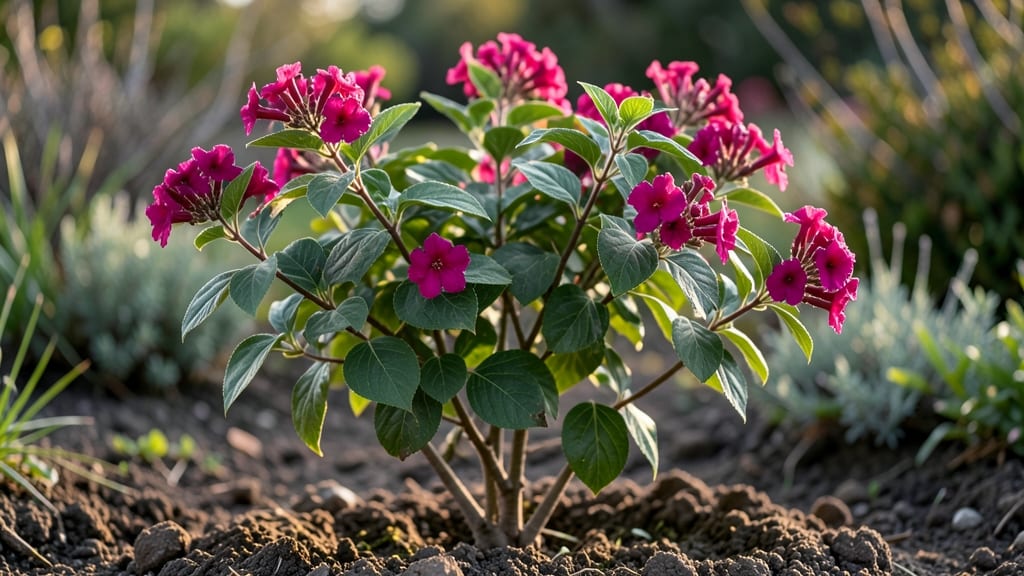
Weigela thrives in winter when most shrubs fade—its frost-resistant blooms and sturdy branches make it a standout. ✨ I’ve watched mine push through snow, proving cold isn’t a problem if you prep it right. The secret? Smart pruning, protective mulch, and knowing which varieties handle frost best.
Start with late-winter pruning (February-March) to shape the shrub and remove dead wood. Wrap young plants in burlap if your zone drops below 5°F, and add 2-3 inches of mulch around the base. Cold-hardy varieties like ‘Wine and Roses’ or ‘Midnight Wine’ handle down to -20°F without flinching.
By spring, you’ll see fresh growth where others struggle—bright pink or red blooms emerging earlier than average. The key is balancing winter care with spring readiness, so the plant doesn’t waste energy recovering from stress.
Works for zones 4-8, urban gardens, or mixed borders. Here’s how to keep yours blooming year after year, even when frost bites.
📚 In This Guide
- What you need
- Instructions
- Tips and common mistakes
- Wrapping up and next steps
What you need
- ● Pruning shears – Sharp, clean pair (bypass or anvil type) for trimming dead or weak branches.
- ● Garden gloves – Heavy-duty, waterproof gloves to protect your hands from thorns and cold.
- ● Mulch (organic or inorganic) – 2–3 inches of shredded bark, straw, or pine needles to insulate roots.
- ● Burlap or frost cloth – Enough to wrap around the plant (1–2 yards per small shrub).
- ● Twine or plant ties – For securing frost cloth if needed.
- ● Watering can or hose – For a final deep watering before winter.
- ● Anti-desiccant spray – Protects leaves from drying out in freezing winds.
- ● Slow-release fertilizer – A light dose in early spring to boost recovery.
- ● Plant supports (stakes or cages) – If your Weigela is tall and needs extra stability under snow.
- ○ Thermometer (optional) – To monitor extreme cold snaps in your region.
How to protect and care for weigela through winter
Your weigela can thrive in winter with the right prep—here’s how to keep those vibrant blooms coming.
🌿 Step 1: Prune for Winter Hardiness
Start by removing any dead, diseased, or crossing branches first—they’ll only invite pests and rot during cold snaps. I like to prune in early fall, about 6 weeks before the first frost, so the plant has time to heal before winter sets in. Cut back to just above a leaf node or outward-facing bud, and avoid cutting into old wood if you want to preserve next year’s blooms.
For extra hardiness, thin out crowded branches to improve airflow. This prevents moisture buildup, which can freeze and damage tender stems. You’ll know you’ve done it right when the plant looks open and airy, with no branches rubbing against each other.
☀️ Step 2: Mulch for Insulation
Spread a 3-inch layer of mulch around the base of your weigela, keeping it 6 inches away from the trunk to prevent rot. I use shredded bark or straw because they break down slowly and insulate roots from freezing temperatures. This layer acts like a cozy blanket, protecting roots from extreme cold and keeping soil temperatures stable.
Don’t skip this step—unmulched plants can suffer root damage, which weakens the entire shrub. After a heavy frost, check the mulch layer; if it’s compacted or washed away, fluff it up to restore its insulating properties.
💧 Step 3: Water Deeply Before Frost
Give your weigela a deep watering 2-3 weeks before the first frost. This ensures the roots are hydrated and can withstand winter drought. Water slowly until it seeps 6-8 inches deep into the soil—you’ll know it’s enough when the moisture reaches that depth. Avoid shallow watering; it encourages weak root growth that freezes easily.
Stop watering entirely once the ground freezes. Overwatering in winter can lead to soggy soil, which promotes root rot. If you live in a region with extreme cold below 0°F, consider wrapping the base of young or tender weigelas with burlap for extra protection.
✂️ Step 4: Monitor and Adjust for Late Winter
In late winter, check for signs of winter burn—brown or crispy leaves and stems. This happens when cold winds or sun scorch the plant. If you see damage, prune back affected areas in early spring once new growth starts. Avoid heavy pruning now; the plant is still dormant and needs all its energy to recover.
Watch for frost heave, where roots lift out of the soil due to freezing and thawing cycles. If you notice the base of the plant shifting, gently press it back into the ground and add a little extra mulch. This keeps the roots stable and prevents damage as temperatures fluctuate.
Tips & tricks for winterizing weigela
Winterizing your weigela doesn't have to be complicated—just a few smart tricks make all the difference.
Pruning Precision: When you're pruning in Step 1, focus on removing branches that cross or rub against each other. These create weak points where cold winds can damage the plant. I also recommend sterilizing your pruners with rubbing alcohol between cuts to prevent spreading disease—especially important before winter when the plant's defenses are lower. This extra step ensures your weigela stays healthy for next year's blooms.
Mulch Magic: For Step 2, don't just spread mulch—create a proper insulating layer. I like to use a combination of shredded bark and straw because they break down at different rates, providing long-term protection. The 3-inch layer should extend out to 6 inches from the trunk, but here's the trick: mound it slightly higher on the north side of the plant where cold winds hit hardest. This creates extra protection where it's needed most.
Winter Watering Wisdom: The deep watering in Step 3 is crucial, but timing matters just as much as quantity. Water when soil temperatures are above freezing—usually late afternoon when the ground has warmed. This gives roots time to absorb moisture before nighttime cold sets in. I've found that watering at this time also helps prevent soil from freezing too quickly after watering.
Late Winter Rescue: When checking for winter burn in Step 4, look for crispy edges on leaves rather than just browning. These crispy areas indicate severe cold damage that may not recover. If you find affected branches, cut them back to healthy green growth in early spring—don't wait until summer. The plant will redirect its energy more efficiently when it's actively growing again.
Pro Tips for Weigela In Winter
- Winterizing your weigela doesn't have to be complicated—just a few smart tricks make all the difference.
- Pruning Precision: When you're pruning in Step 1, focus on removing branches that cross or rub against each other.
- Mulch Magic: For Step 2, don't just spread mulch—create a proper insulating layer.
Frequently asked questions
Got questions about keeping your weigela thriving through winter? You’re not alone! Here are answers to the most common concerns—so you can enjoy those vibrant blooms year-round without stress.
Can weigela survive freezing temperatures, or do I need to protect it?
Most weigela varieties are highly frost-resistant (USDA zones 4–9) and can handle temperatures down to -20°F (-29°C) with proper care. However, young plants or tender varieties may need mulch or burlap wraps in extreme cold snaps. Focus on well-draining soil and prune back dead stems in early spring to encourage new growth.
Should I prune weigela in winter, or wait until spring?
Pruning in late winter (February–March) is ideal—just after the worst cold passes but before new growth starts. Cut back dead or crossing branches by ⅓ to promote bushier blooms. Never prune in fall, as it can stimulate tender shoots that won’t survive frost.
Why did my weigela lose leaves but still has buds? Is it dying?
Not necessarily! Weigela often drops leaves in winter to conserve energy, but the buds (especially on old wood) are still viable. If the stems are firm and green underneath, it’s dormant. Wait until spring—new leaves and flowers should return. Check for pests if buds fail to open.
How do I know if my weigela is getting enough winter care?
Healthy winter weigela shows these signs:
- Stems: Brown but not mushy (sign of rot).
- Buds: Plump and woody (not shriveled).
- Soil: Dry on top (overwatering = root rot risk).
What’s a cold-hardy alternative if weigela struggles in my climate?
If your winters are brutal (below -20°F), try these equally stunning, frost-tolerant shrubs:
- Butterfly Bush (Buddleia) – Zones 5–9, drought-resistant.
- Dwarf Fothergilla – Zones 4–8, fragrant spring blooms.
- Spirea (e.g., ‘Goldflame’) – Zones 3–8, colorful foliage.
Wrapping up and next steps
Winter doesn’t have to mean the end of your Weigela’s beauty—with the right care, these hardy shrubs can thrive even in the coldest months! 🌿 From protecting tender stems to embracing their dormant charm, you now have the tools to keep your Weigela stunning year-round.
Ready to put your new knowledge into action?
Your next step? Plan a winter maintenance routine—prune lightly, mulch generously, and enjoy the quiet elegance of your Weigela as it prepares for spring’s vibrant comeback. Happy gardening!